Lighting projects often become difficult at the sourcing stage when product selection begins before the project requirements are clearly defined. For contractors, distributors, lighting designers, and procurement teams, the starting point should be a simple specification framework covering application, electrical requirements, light quality, environmental conditions, and supply capability. This approach makes LED strip lights wholesale purchasing more organized and helps buyers compare products on factors that actually affect installation and project performance.
Start with the Application Before Selecting the Product
The first question should be where the strip lighting will be installed and what function it needs to perform. Cove lighting, display shelving, architectural accents, cabinets, commercial interiors, and task lighting may require different levels of brightness, color quality, flexibility, and protection.
For project sourcing, buyers should also determine whether the strip will be visible or concealed. A visible installation may place greater emphasis on appearance and uniformity, while concealed applications may prioritize output, thermal management, and installation efficiency. Defining the application first creates a useful basis for comparing custom LED lighting solutions.
Define Electrical Requirements Early
Voltage is the important technical details to confirm before ordering. LED strips commonly operate at low-voltage DC levels such as 12V or 24V, meaning a suitable power supply is normally required when connecting them to standard mains electricity. The power supply voltage must match the strip specification, while its capacity must accommodate the total connected load.
Project teams should therefore calculate the required strip length and power consumption before finalizing the bill of materials. Power draw is commonly specified per meter or foot, allowing the total requirement to be estimated from the planned installation length. Selecting the power supply alongside the strip rather than afterward can help avoid compatibility problems during installation.
Compare Light Quality and Visual Requirements
Brightness alone does not define whether a strip is suitable for a project. Color temperature affects the appearance of the illuminated space, while CRI provides an indication of how accurately colors are represented. The U.S. Department of Energy notes that CRI 80 is generally recommended as a minimum for interior lighting, while CRI 90 or higher indicates stronger color fidelity.
For commercial applications, procurement teams should specify the required CCT and CRI instead of accepting an unspecified white-light option. Retail, hospitality, office, and architectural projects can have different visual priorities. When evaluating LED strip lights wholesale, consistent color performance should also be considered because large installations may use multiple reels across the same project.
Consider Protection and Installation Conditions
Environmental conditions should be included in the initial product brief. A dry indoor ceiling installation does not necessarily require the same protection as a strip installed near moisture or exposed to demanding operating conditions. The U.S. Department of Energy identifies operating temperature, humidity, installation environment, and IP rating among the parameters that should be considered when specifying LED systems.
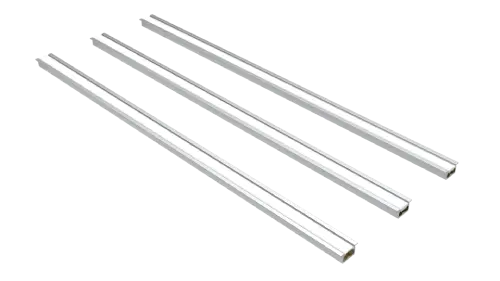
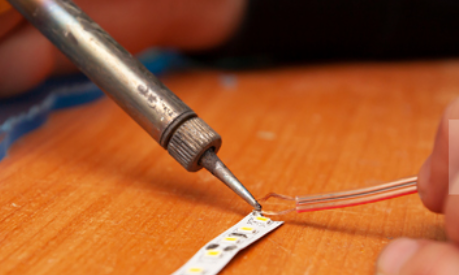
Buyers should also review mounting methods, available profiles or channels, cutting requirements, connectors, and cable arrangements. These details can affect labor time as much as the strip itself. A technically suitable product can still create installation difficulties if accessories and mounting requirements are not considered during procurement.
Choose a Supplier That Supports Project Variations
Not every project needs an entirely new product. Sometimes the requirement is a different length, output, waterproof construction, LED configuration, packaging format, or other defined specification. This is where a supplier’s manufacturing capability becomes important. Buyers should ask which options are standardized and which can be adjusted for a particular order.
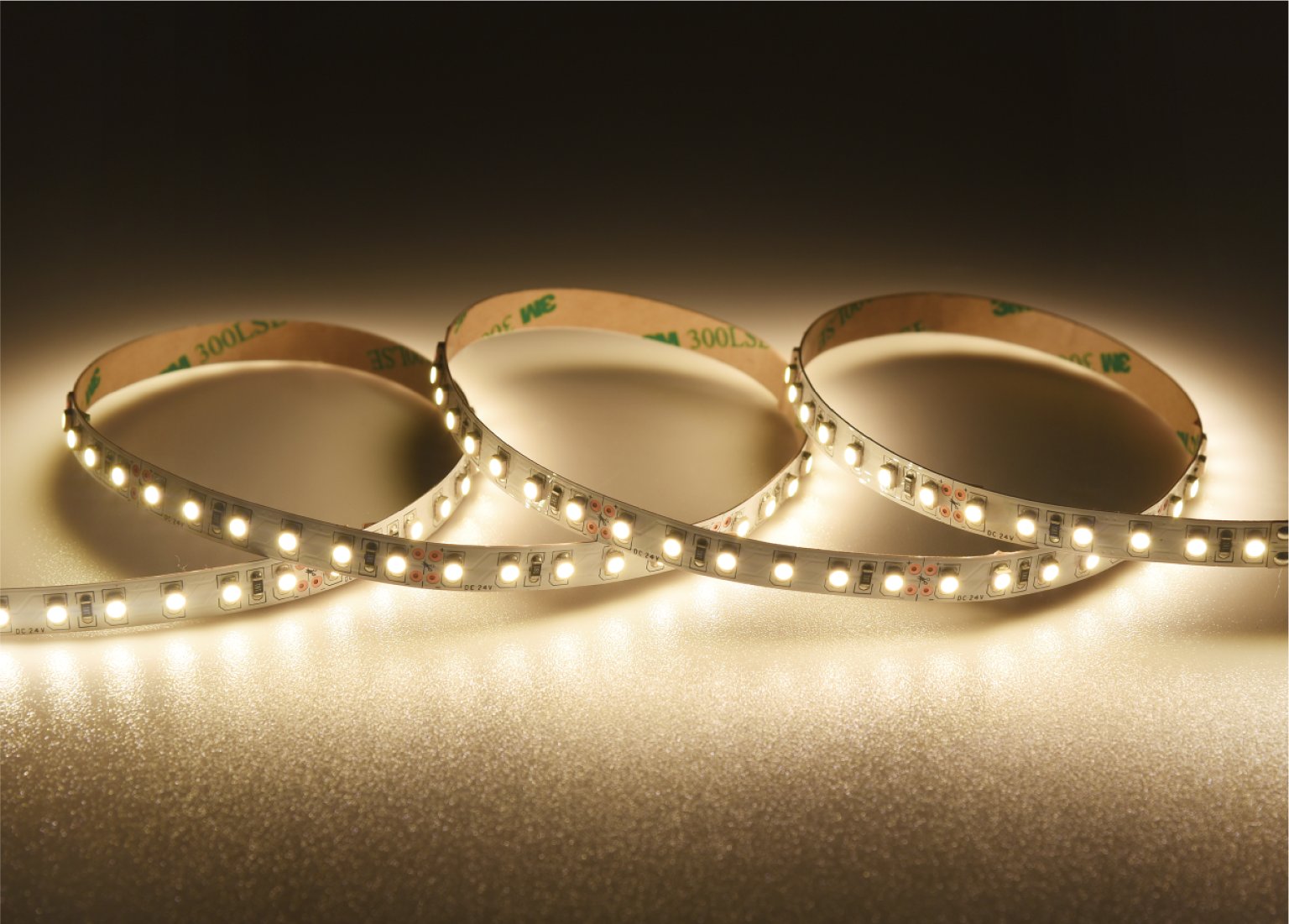
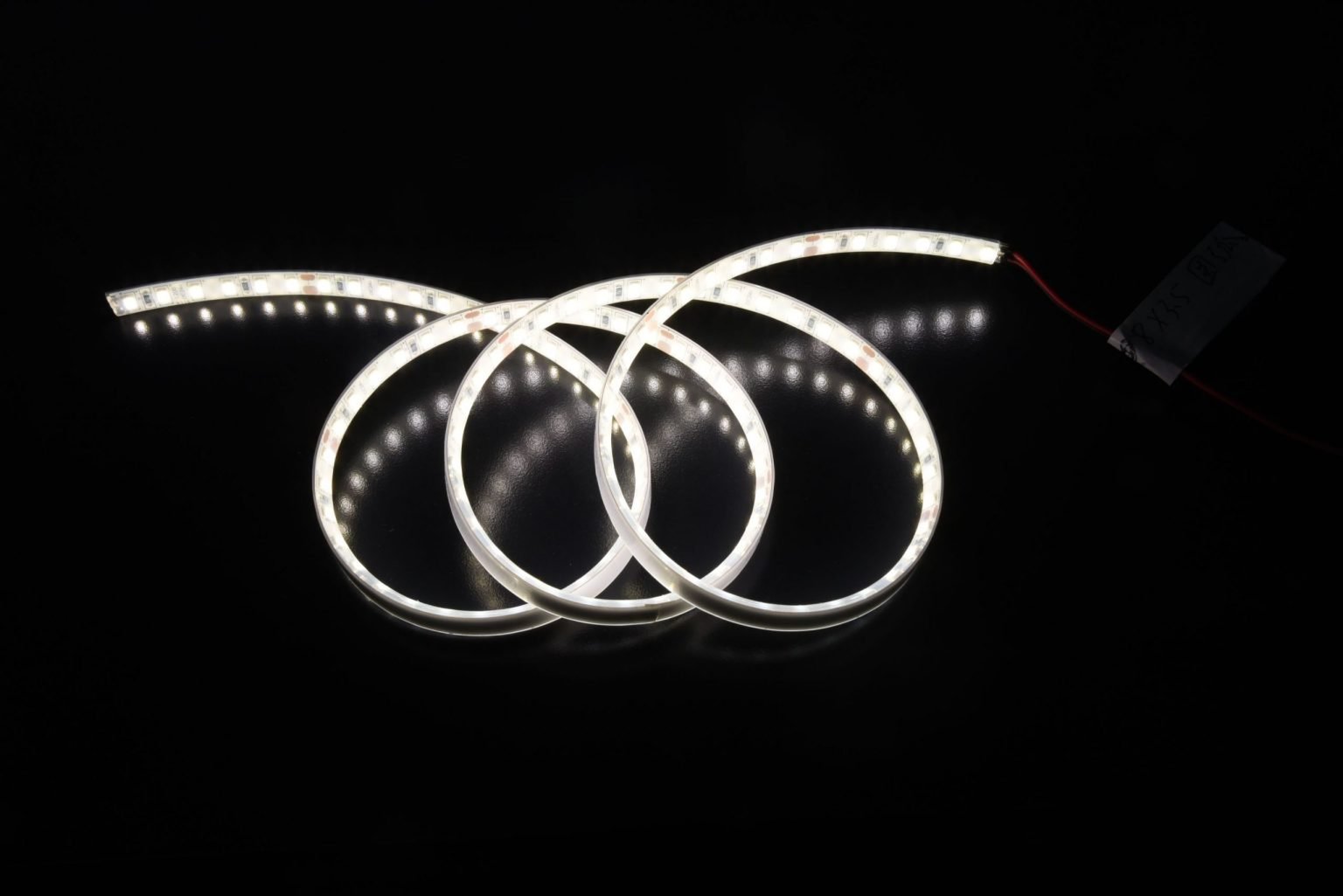
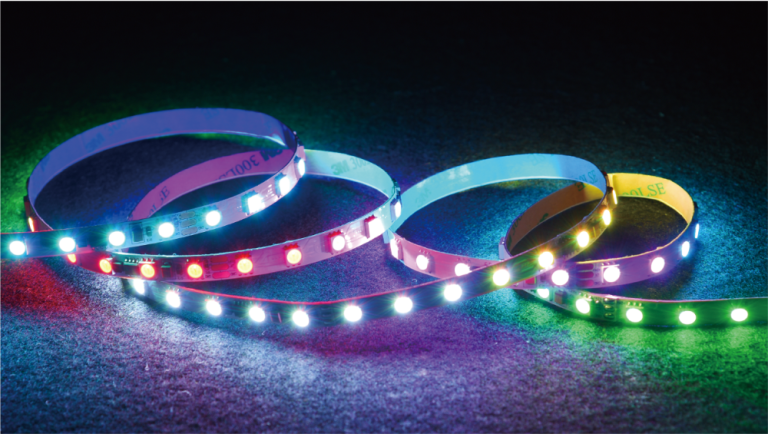
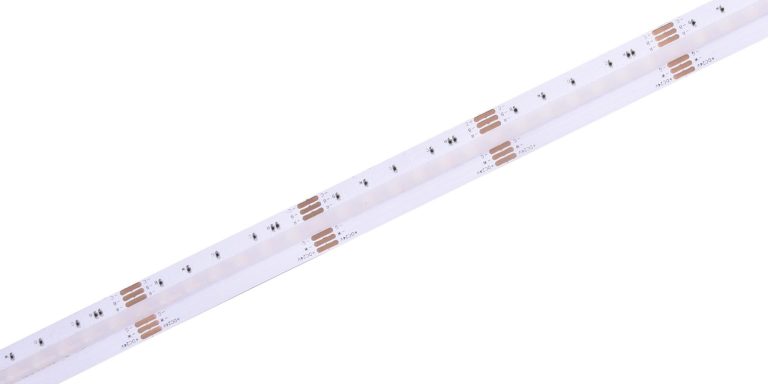
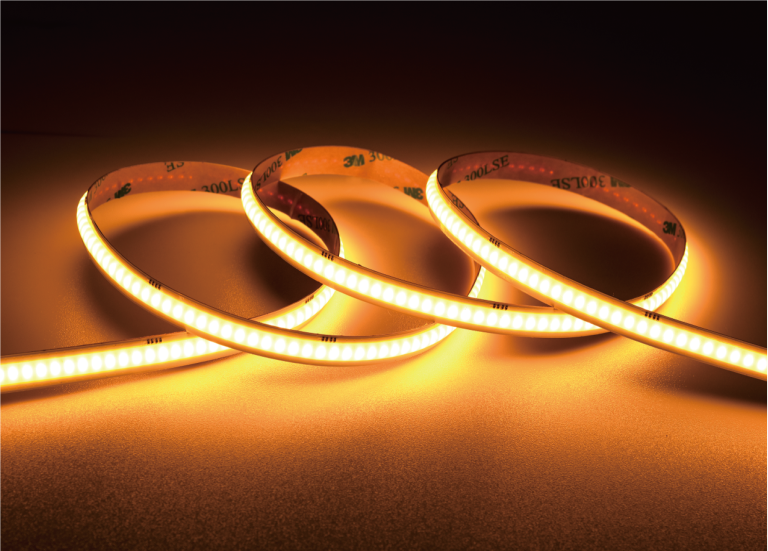
Our LED strip portfolio includes silicone LED strip lights, COB strips, and other flexible products intended for project sourcing and LED strip lights wholesale inquiries. We can discuss requirements around application, configuration, and order volume so that product selection is based on the actual project rather than a generic catalogue choice.
Review Quality Systems Before Placing Bulk Orders
Quality control should be evaluated as a production process rather than only through a sample. Procurement teams can ask how incoming materials are checked, how production is monitored, how finished products are tested, and how nonconforming products are handled. Consistent procedures become particularly important when an order will be repeated across multiple projects.
We apply quality control throughout production and product testing, and we are certified to ISO 9001, ISO 14001, and other recognized standards. For buyers developing custom LED lighting solutions, this provides a useful starting point for discussing quality expectations, inspection requirements, and project-specific specifications before mass production.
Build the Specification Before Requesting Quotes
A practical sourcing brief does not need to be complicated. It can include application, strip type, voltage, power per meter, CCT, CRI, required length, environmental rating, control requirements, accessories, packaging, quantity, and delivery schedule. Providing these details allows suppliers to quote comparable products instead of responding to an incomplete request.
For LED strip lights wholesale, procurement teams should also distinguish between an initial sample order and ongoing volume requirements. Forecast information can help manufacturers plan materials and production more effectively. When project requirements may change, communicating expected variations early can make discussions around lead times and customization more productive.
A More Reliable Starting Point for Project Sourcing
Successful strip-lighting procurement starts with defining the application and technical requirements before comparing prices. Electrical compatibility, light quality, environmental conditions, installation details, quality systems, and manufacturing flexibility all influence the final sourcing decision.
At LEDIA Lighting, we support project buyers with flexible strip-lighting products and manufacturing capabilities designed for different procurement needs. By combining clear specifications with our production and quality-control processes, we can work with customers to develop practical custom LED lighting solutions and support LED strip lights wholesale requirements with a more structured sourcing process.