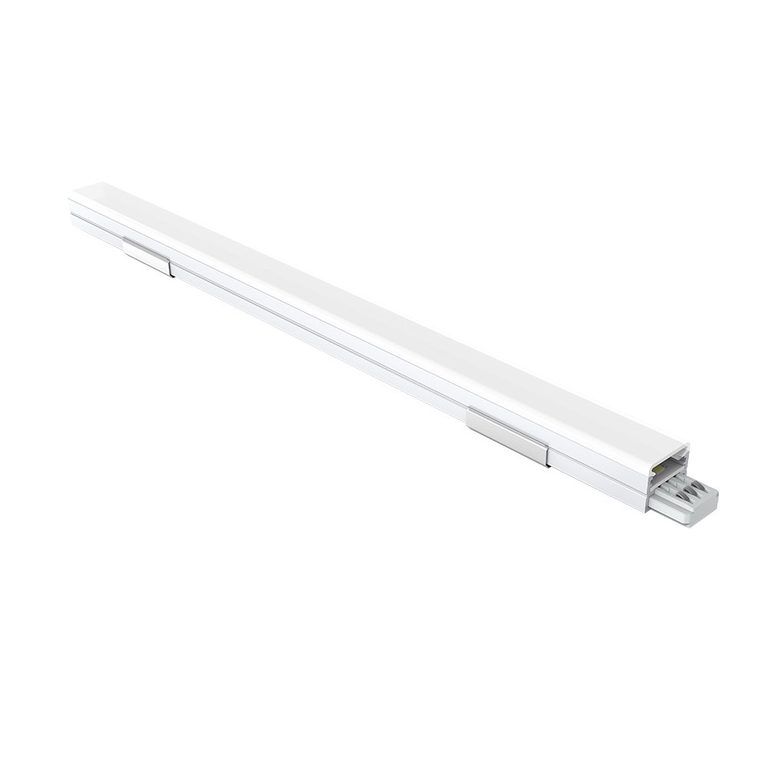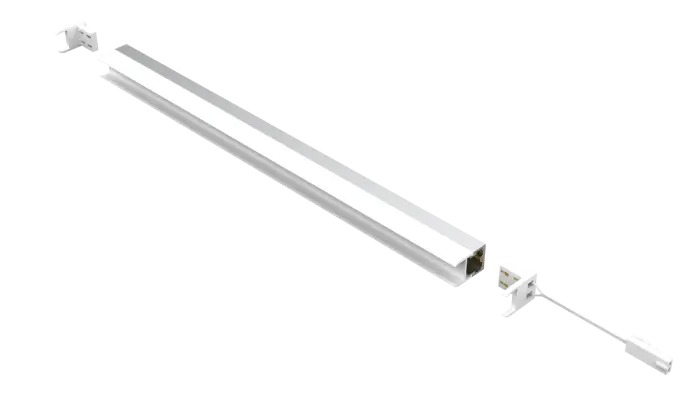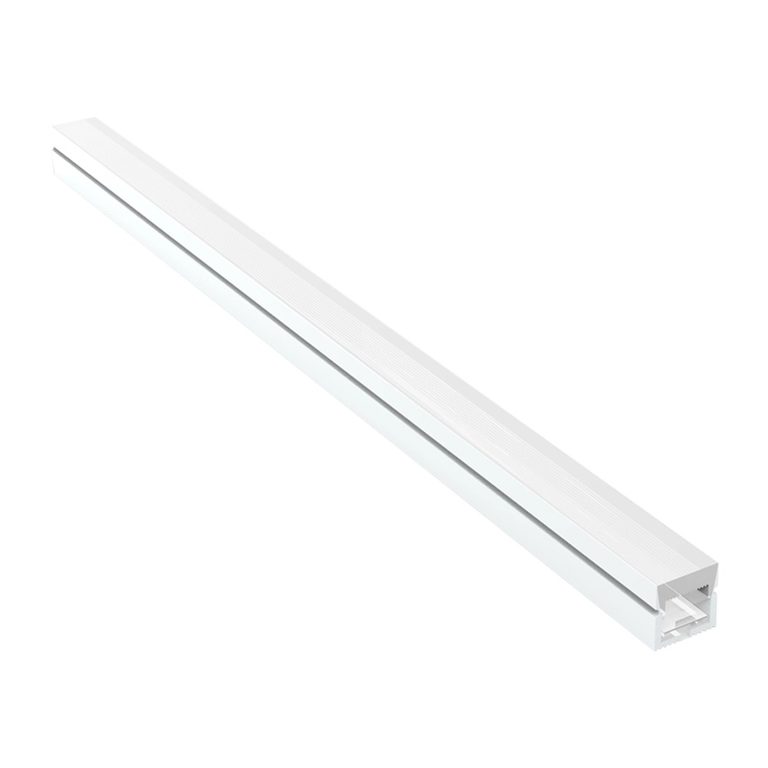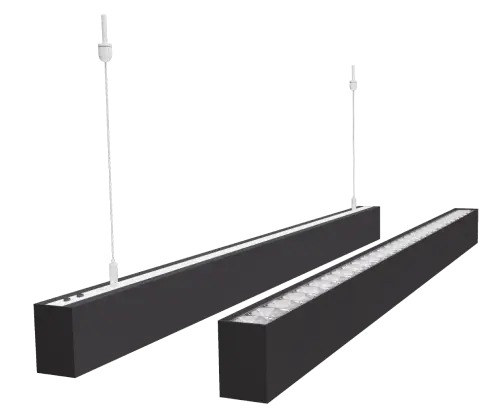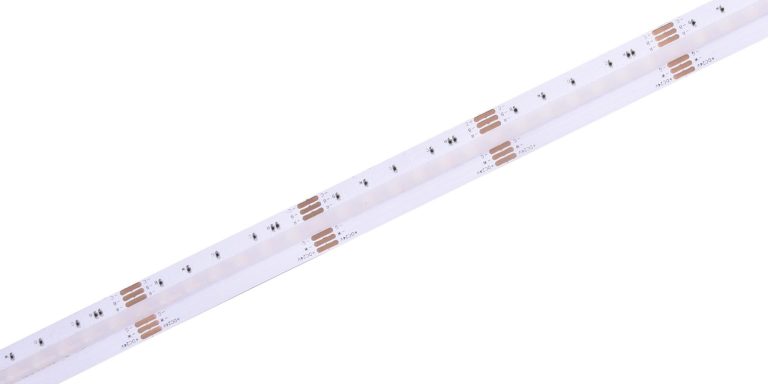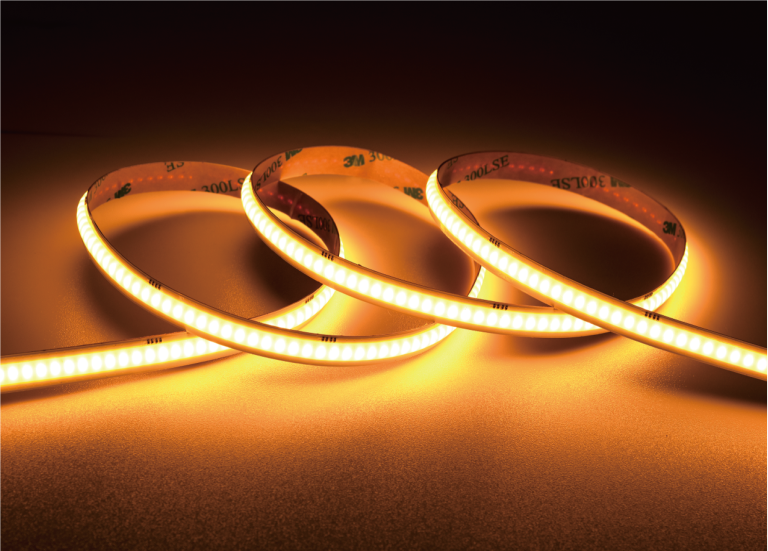
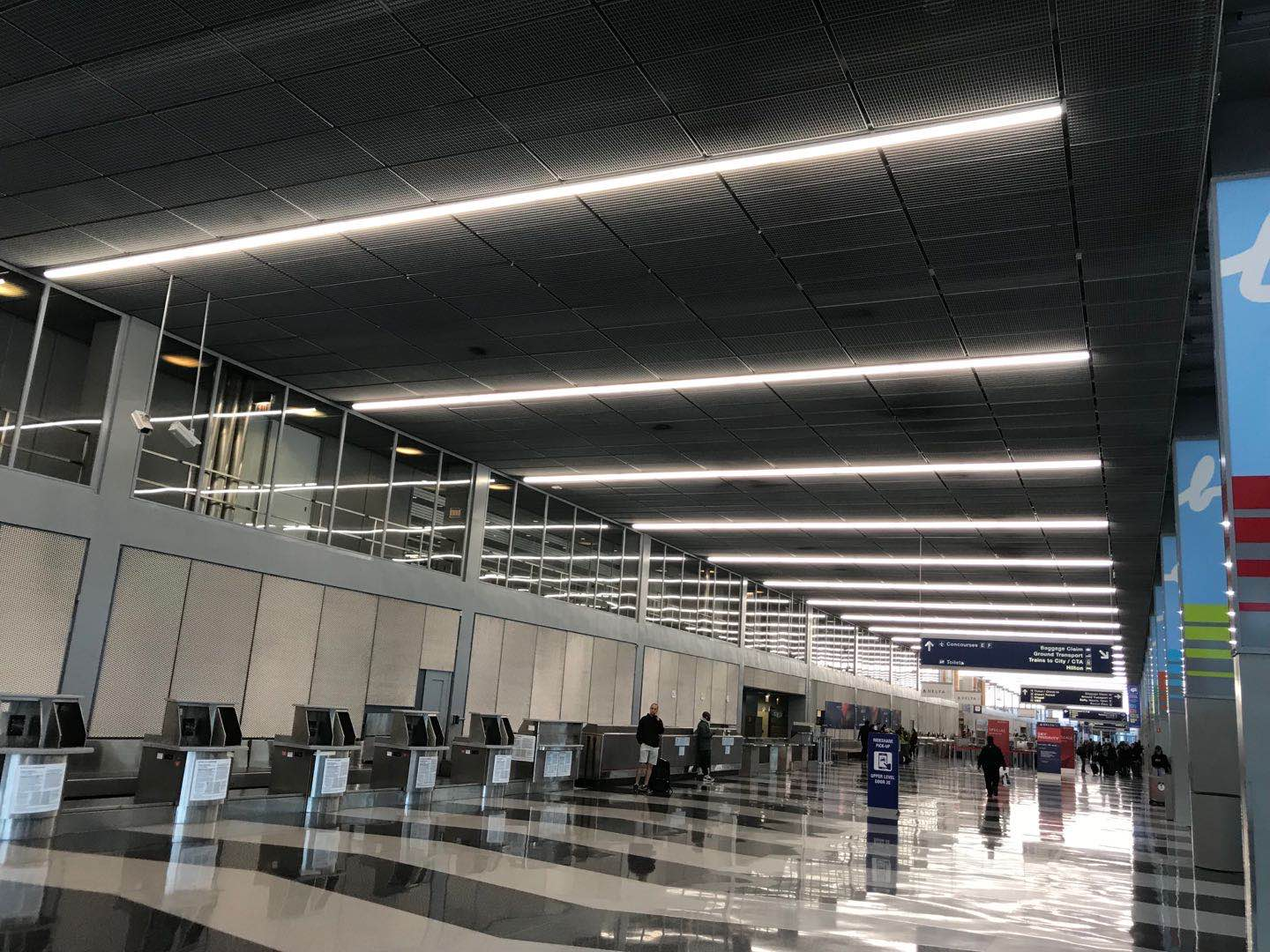
New commercial projects give buyers an opportunity to define lighting before ceiling layouts, electrical infrastructure, and control systems are finalized. That makes project-based LED selection different from choosing individual fixtures from a catalog. For LED strip light projects, buyers need to consider application, output, color quality, installation conditions, controls, compliance, and long-term maintenance. A structured specification process helps project teams compare products on performance and suitability rather than price alone.
Start with the Application and Lighting Plan
The first step is to identify what the lighting needs to accomplish. Decorative coves, architectural lines, shelves, display areas, task zones, and continuous ambient lighting can require different output levels and optical approaches. Buyers should define the mounting position, desired brightness, operating schedule, and visual effect before choosing an LED system.
This principle also applies when evaluating warehouse lights for sale. A warehouse may need high-output illumination for storage aisles, loading areas, or work zones, while accent applications may require much less light. The fixture category should follow the task, mounting height, and space rather than simply the availability of a product.
Compare Performance Data, Not Wattage Alone
Wattage describes electrical input, but it does not tell buyers how much useful light a product delivers. The U.S. Department of Energy recommends considering luminous efficacy, expressed in lumens per watt, when evaluating commercial and industrial LED luminaires. It also advises comparing efficiency among products intended for similar applications.
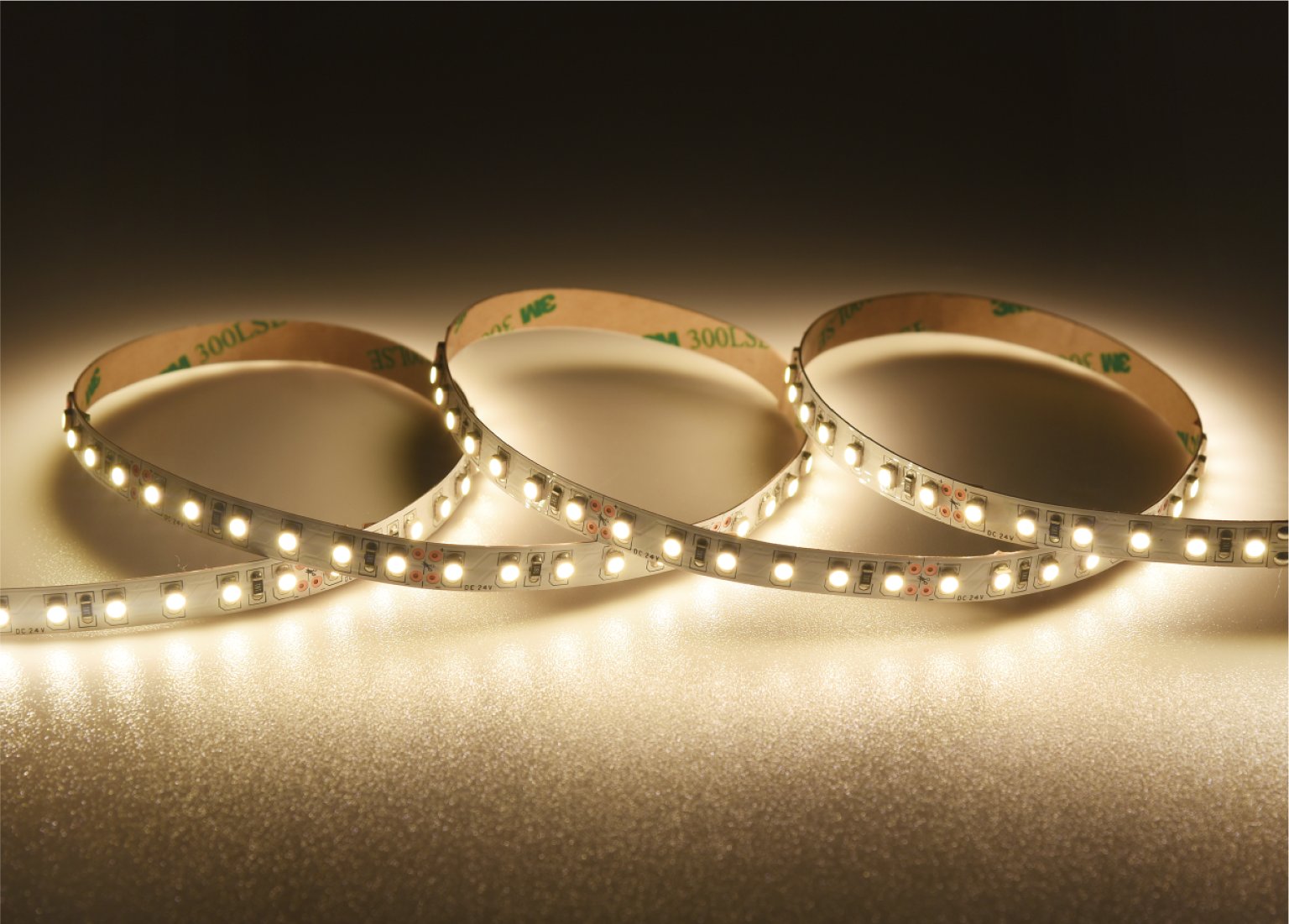
For LED strip light projects, project teams should review the complete technical data available for the selected system. Depending on the product, this may include power consumption, lumen output, color temperature, color rendering, dimensions, operating conditions, and control compatibility. Photometric information is particularly useful when the strip is expected to contribute to functional illumination rather than decoration.
Check Installation Conditions Early
Installation conditions can significantly affect product selection. Buyers should identify whether the lighting will be installed indoors, in a damp location, in a protected exterior area, or somewhere exposed to dust and moisture. Operating temperature, humidity, enclosure requirements, and IP rating should be confirmed against the actual site conditions.
The DOE’s LED luminaire lifetime guidance identifies operating temperature and humidity, dry/damp/wet conditions, IP rating, input power, minimum efficiency, control type, and usage pattern as important parameters for system specification. This is why a product that looks suitable in a catalog may not be appropriate for every project environment.
Plan Controls Before Ordering
Controls should be considered during design rather than added after installation. Commercial LED systems can support dimming, occupancy sensing, programming, and other control strategies, potentially reducing energy consumption and operating costs.
For LED strip light projects, buyers should confirm how the selected system connects to the intended controller and power architecture. If the project uses scheduled operation, zoning, sensors, or centralized controls, compatibility should be documented in the specification. This prevents the common problem of purchasing lighting first and discovering later that additional components are required to achieve the intended control strategy.
Consider Compliance and Documentation
For business procurement, certifications are more than marketing labels. They can form part of a project’s technical approval process, especially when contractors, consultants, distributors, or building owners require documented compliance. Buyers should request current certificates and technical documents for the exact product configuration being proposed.
We have built our certification system around international and regional requirements. LEDIA Lighting is recognized as a Key High-tech Enterprise of the National Torch Plan, and our products comply with a range of standards and certifications, including ISO 9001, ISO 14001, CQC, SGS, UL, CE, CB, SAA, NSF, and ETL. Our compliance framework also covers requirements such as RoHS, REACH, GB, IEC, ERP, and ANSI.
Evaluate the Supplier for Project Support
A new project may involve multiple quantities, delivery phases, revisions, samples, and coordination between designers and installers. Supplier capability therefore matters alongside product performance. Buyers should clarify documentation, lead times, packaging, technical support, replacement arrangements, and the process for handling specification changes.
When comparing warehouse lights for sale, the same principle applies. A low purchase price may not represent the best project value if documentation is incomplete or replacement planning is difficult. DOE purchasing guidance notes that performance data, test reports, case studies, and product information can help buyers make informed LED purchasing decisions.
Build a Clear Specification Before Purchase
A practical purchase specification should capture the information needed to compare like with like. For LED strip light projects, this can include application, dimensions, power, light output, CCT, CRI, control method, installation environment, IP requirement, certification, accessories, and warranty terms where applicable.
Buyers should also separate essential requirements from preferences. For example, a specific certification may be mandatory for one project but unnecessary for another. Likewise, a particular color temperature or control protocol may depend on the building’s design. A clear hierarchy makes supplier quotations easier to evaluate and reduces unnecessary substitutions during procurement.
Make the Lighting Decision Around the Whole Project
The strong purchasing decision is rarely based on one specification. New projects require lighting to work with architecture, electrical systems, controls, installation conditions, compliance requirements, and operational expectations. Buyers can use the same disciplined approach when reviewing warehouse lights for sale: define the application first, compare verified performance, and confirm that the proposed equipment fits the project environment.
At LEDIA Lighting, we support this project-oriented approach by combining product development with a documented certification framework. For LED strip light projects, our aim is to help project teams evaluate lighting as part of a complete specification rather than as an isolated product purchase. With clear requirements and reliable technical documentation, buyers can move from product comparison to procurement with greater confidence.