Lighting projects rarely follow perfectly straight lines. Cabinets, signs, architectural edges, coves, façades, and display features often require a linear source that can follow the intended shape while maintaining an even appearance. A silicone LED strip light combines flexibility with a protective silicone body. For business buyers, understanding construction and installation requirements helps turn a flexible lighting concept into a dependable project solution.
Why Choose a Silicone LED Strip Light?
Silicone changes the practical role of an LED strip. Rather than leaving the light source exposed, silicone extrusion forms a continuous body around the lighting system. Depending on the product design and protection level, silicone-based construction can support applications where moisture, dust, or outdoor exposure are concerns. The protection rating should still be confirmed from the product specification.
Flexibility is another advantage. A flexible silicone light can be routed around curves and architectural contours more easily than rigid linear fixtures. This makes it useful for outline lighting, signage, cove details, and decorative borders where straight segments may interrupt the intended visual line.
Understanding Light Uniformity and Shape
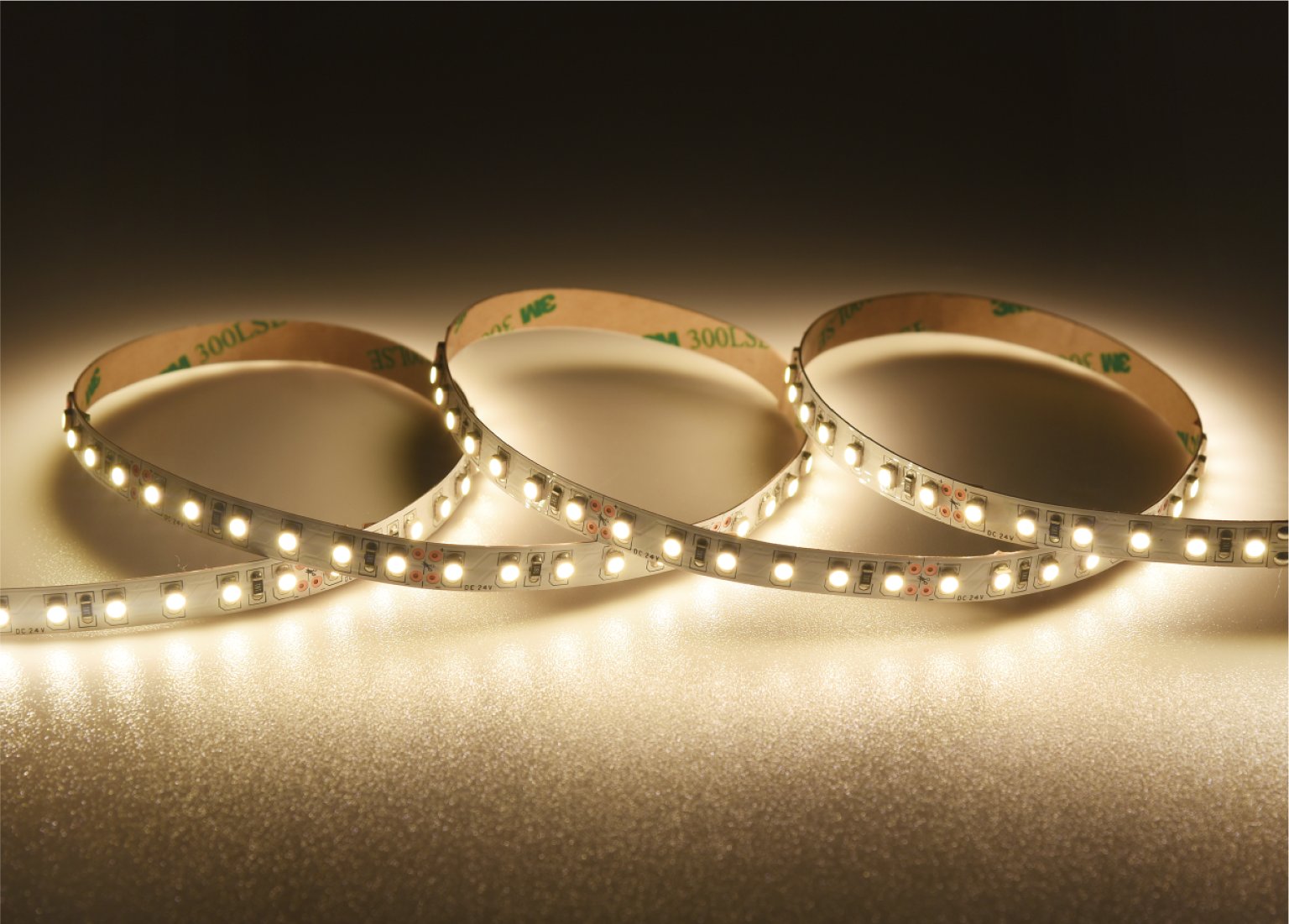
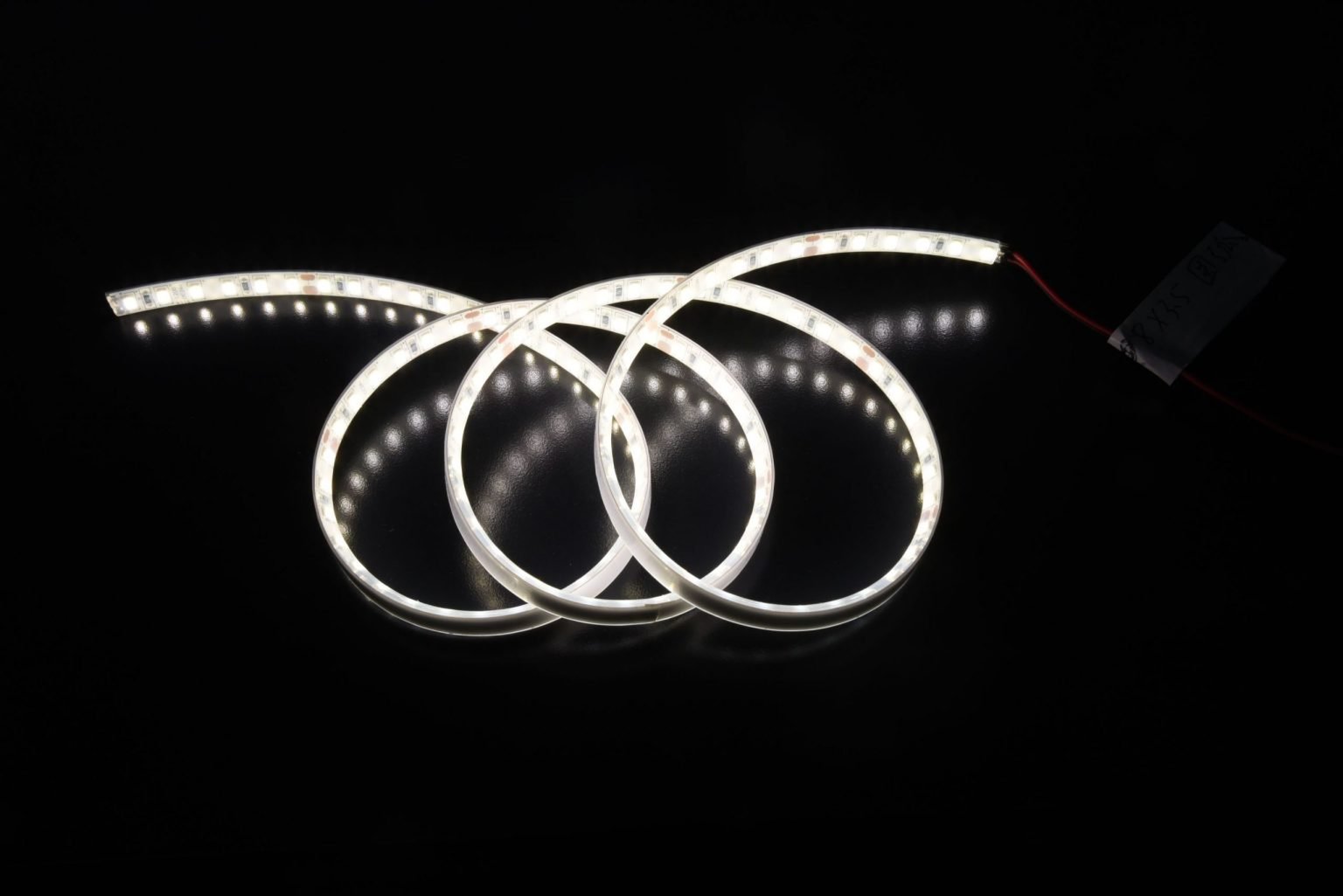
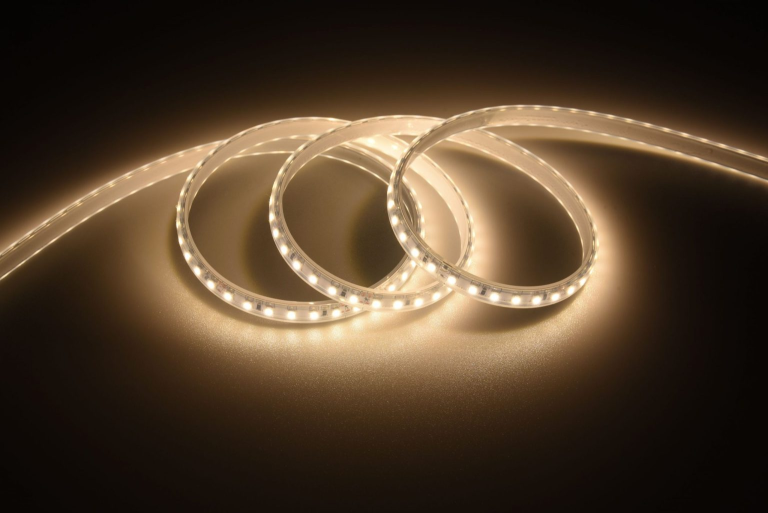
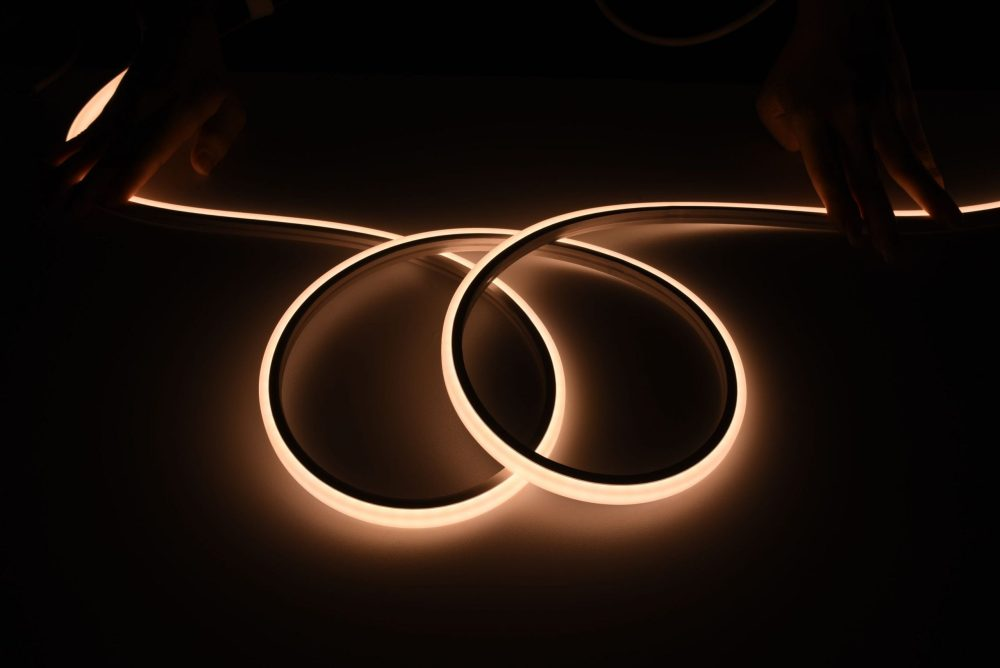
For commercial projects, appearance is often just as important as mechanical flexibility. Visible dark spots can make a linear installation look inconsistent. A well-designed silicone LED light strip uses its extrusion and optical structure to distribute the emitted light more continuously.
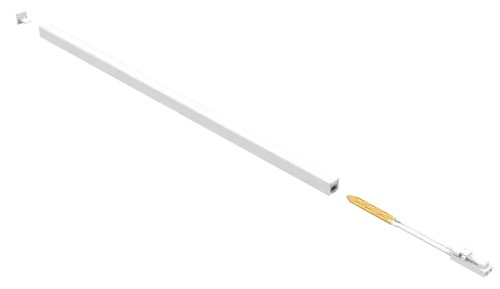
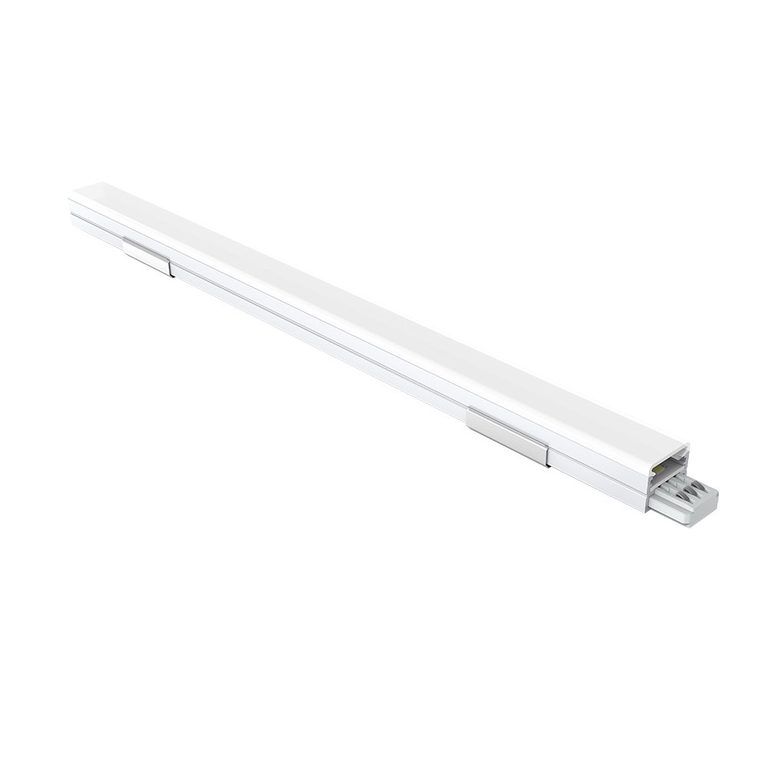
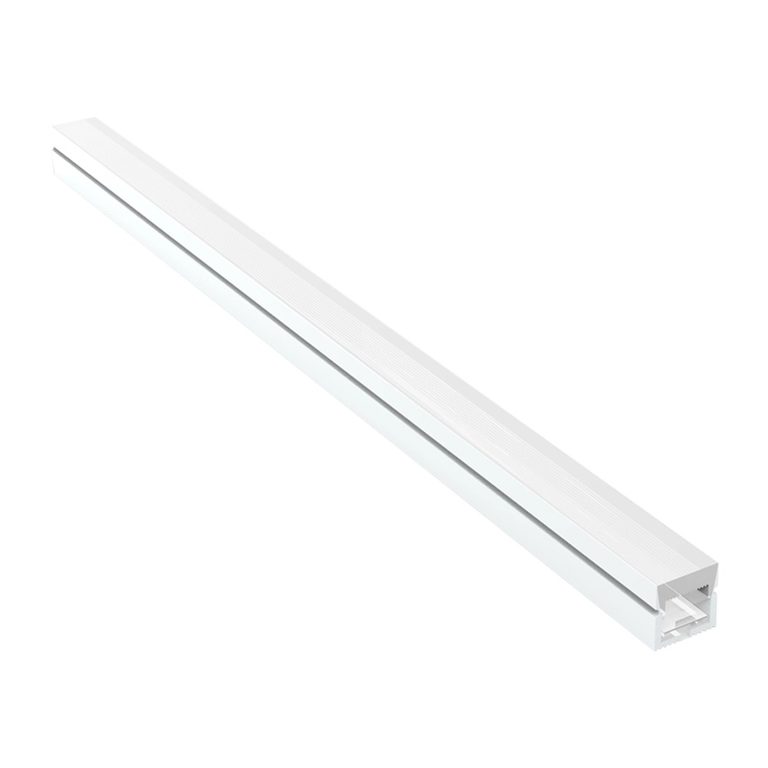
Our LD-FR-SJS-DC24V-XXXX-144-10*10mm Neon Flex uses a 10×10 mm hollow silicone extrusion with a three-sided wide lighting effect. Its slim, soft body is designed to produce continuous illumination without dark dots. This construction is particularly useful when the project requires a clean luminous outline rather than a visibly segmented LED source.
Planning Cuts, Joints, and Bends
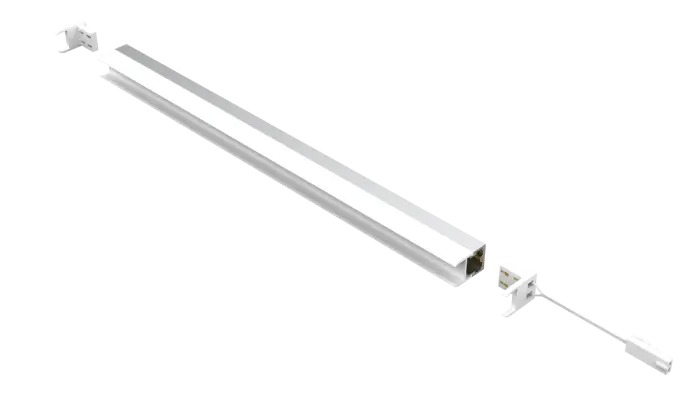
Before ordering a silicone LED strip light, project teams should confirm how the product is cut and connected. Flexible systems are often selected precisely because site dimensions are not identical from one project to another. A product that supports free cutting and joining can simplify customization, but installers should still follow the manufacturer’s specified cutting and connection method.
Our 10×10 mm Neon Flex is designed for free cutting and joining, while its flexible body can be bent to follow project contours. This avoids forcing a rigid lighting element into a curved location.
Choosing Indoor or Outdoor Applications
A silicone LED light strip can serve both indoor and outdoor design requirements, but application conditions should drive product selection. Outdoor projects may involve sunlight, temperature changes, rain, and mechanical exposure. Product construction and protection should therefore match the environment.
Our specified Neon Flex uses pure silicone extrusion and is UV and flame resistant. It is intended for indoor or outdoor border lighting, architectural outlines, coves, façades, signage, and guide lighting. We also provide a five-year warranty for this model, giving business buyers a defined quality commitment when planning projects.
Installation Details That Matter
Good installation begins with accurate measurements and a suitable mounting method. The installation surface should follow the manufacturer’s requirements, and the power supply must match the product’s electrical specification. For DC systems, teams should also account for cable length, voltage drop, connection quality, and total load.
Thermal management should not be overlooked simply because the lighting body is flexible. LED strips generate heat during operation, and installation conditions can affect operating temperature. Where the product design calls for additional heat dissipation, an appropriate mounting solution should be selected. Installation guidance for LED systems commonly recommends considering heat dissipation, air circulation, and operating temperature.
Matching the Product to Everyday Projects
For commercial and architectural work, the best flexible lighting option is not necessarily the brightest. Project teams should first define the required shape, dimensions, lighting direction, environment, power system, installation method, and expected service conditions. These factors determine whether a flexible system can deliver the required appearance and practicality.
The 10×10 mm Neon Flex is especially suited to projects that need a compact profile and continuous three-sided illumination. Its flexible construction can support curved or outlined designs, while its silicone extrusion provides a finished appearance appropriate for visible architectural applications. Its 24V DC designation should also be incorporated into the project’s power-supply planning.
Building a Reliable Specification
For distributors, contractors, and lighting designers, specification accuracy is essential. A project brief should identify dimensions, voltage, LED density, cutting requirements, bending needs, environmental conditions, optical direction, warranty, and installation accessories.
We approach our silicone LED light strip solutions with the same project-oriented mindset. The LD-FR-SJS-DC24V-XXXX-144-10*10mm model combines a 10×10 mm profile, 144 LEDs per meter, 24V DC operation, pure silicone extrusion, three-sided wide lighting, flexible construction, UV and flame resistance, and a five-year warranty. These specifications give business buyers a clearer basis for evaluating suitability.
Turning Flexible Lighting into a Practical Solution
Flexible silicone systems can make everyday lighting projects easier to adapt to real architectural conditions. When uniform illumination, bendability, cutting flexibility, and environmental resistance are considered together, a silicone LED strip light can be practical for outlines, coves, signage, façades, borders, and guide lighting.
At LEDIA Lighting, we align product construction with project requirements. Our 10×10 mm Neon Flex offers continuous light without dark dots, a three-sided lighting effect, free cutting and joining, and a flexible silicone body. By matching these characteristics with accurate electrical and installation planning, project teams can move from a lighting concept to a workable specification with greater confidence.