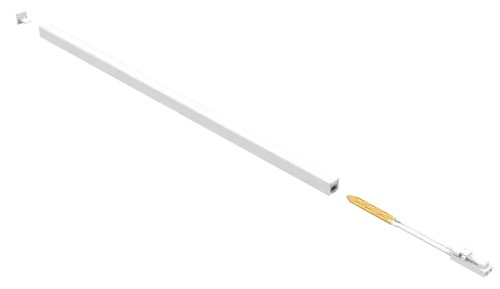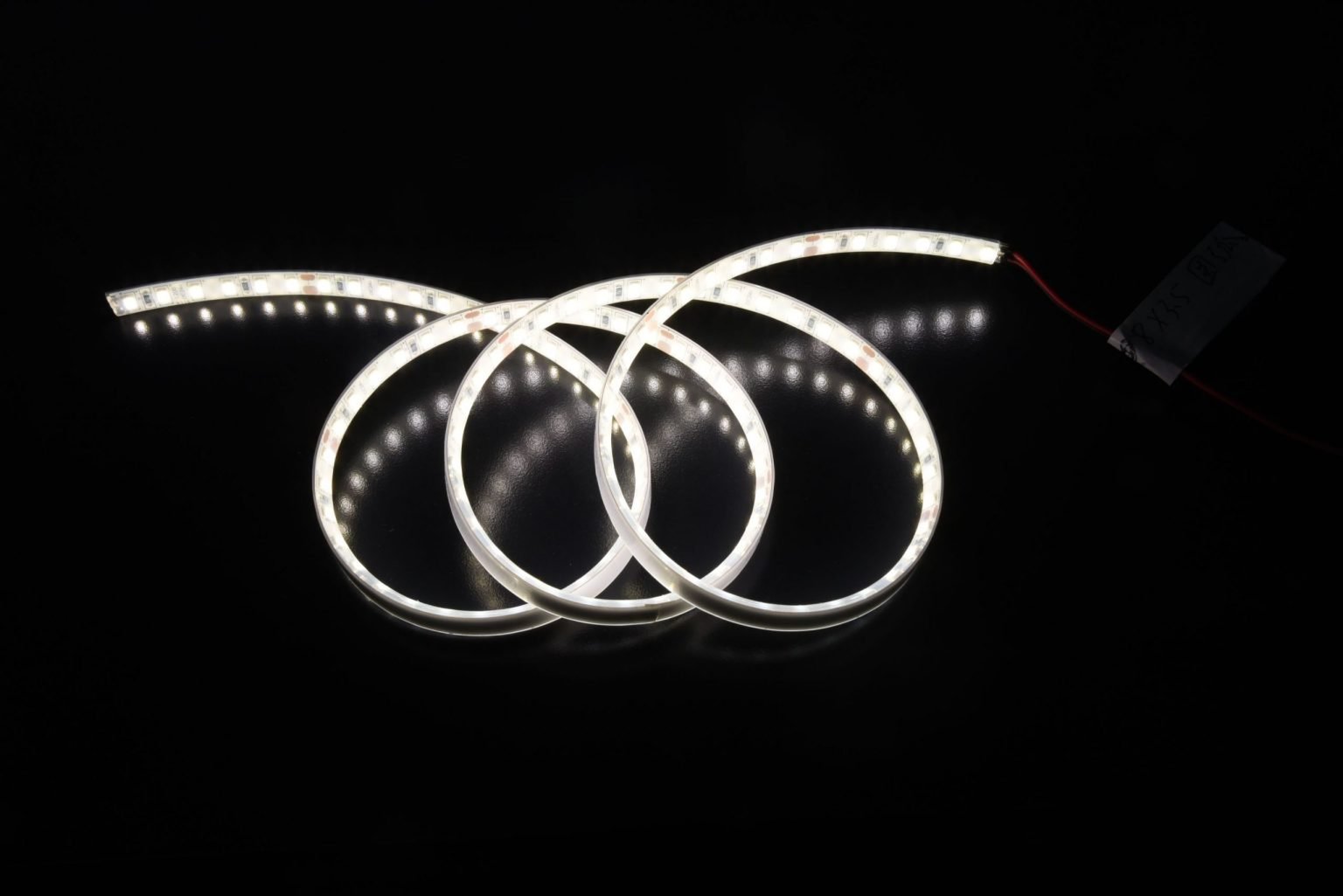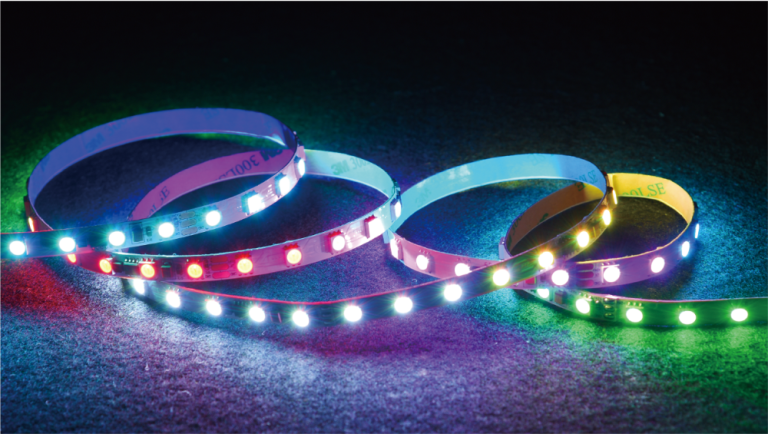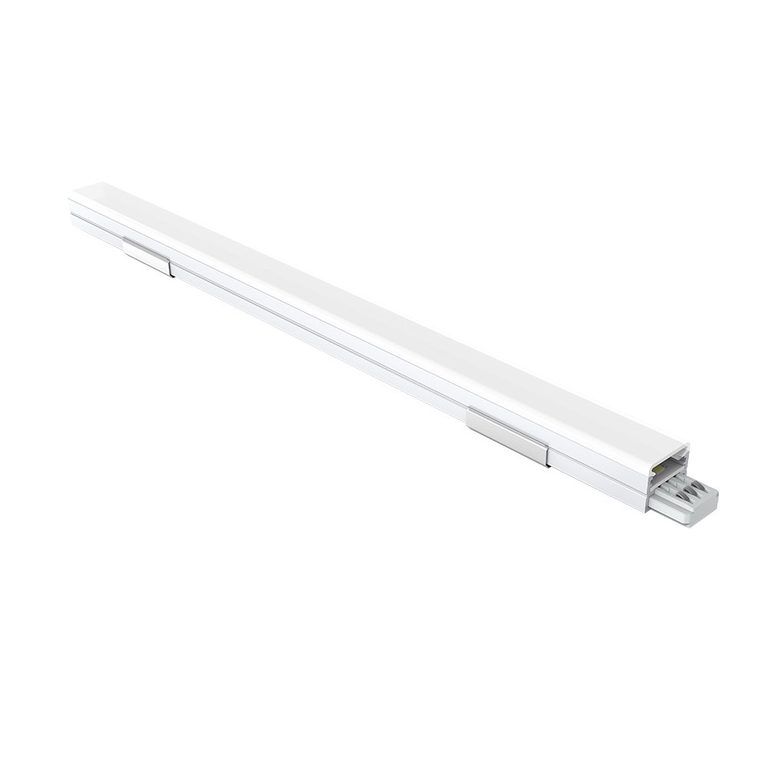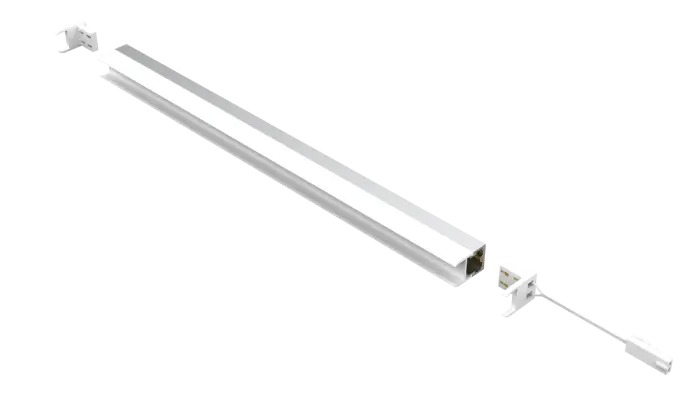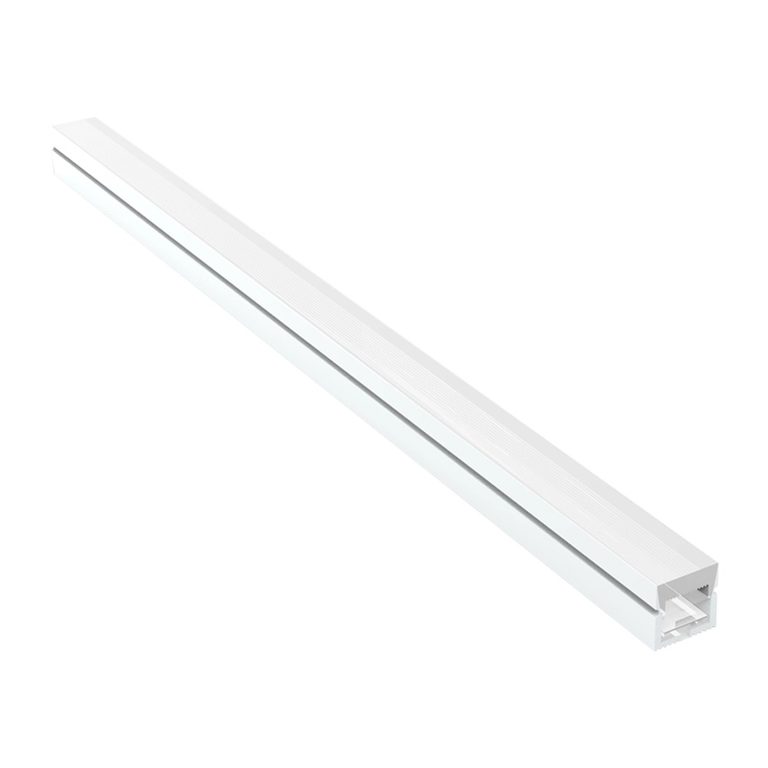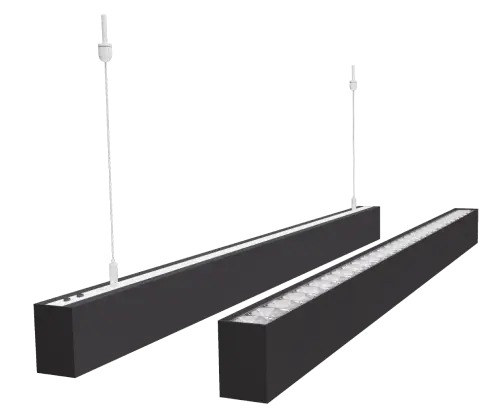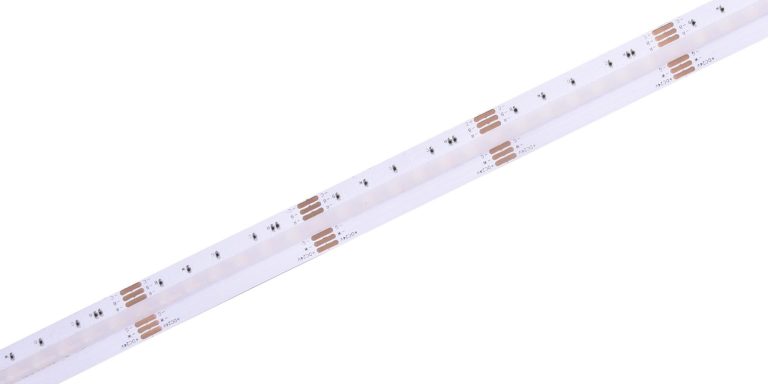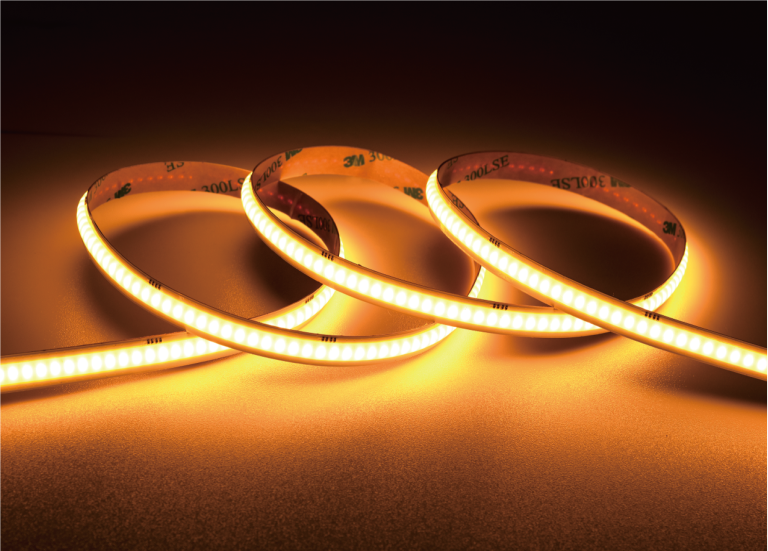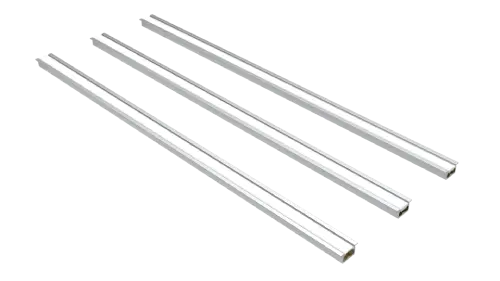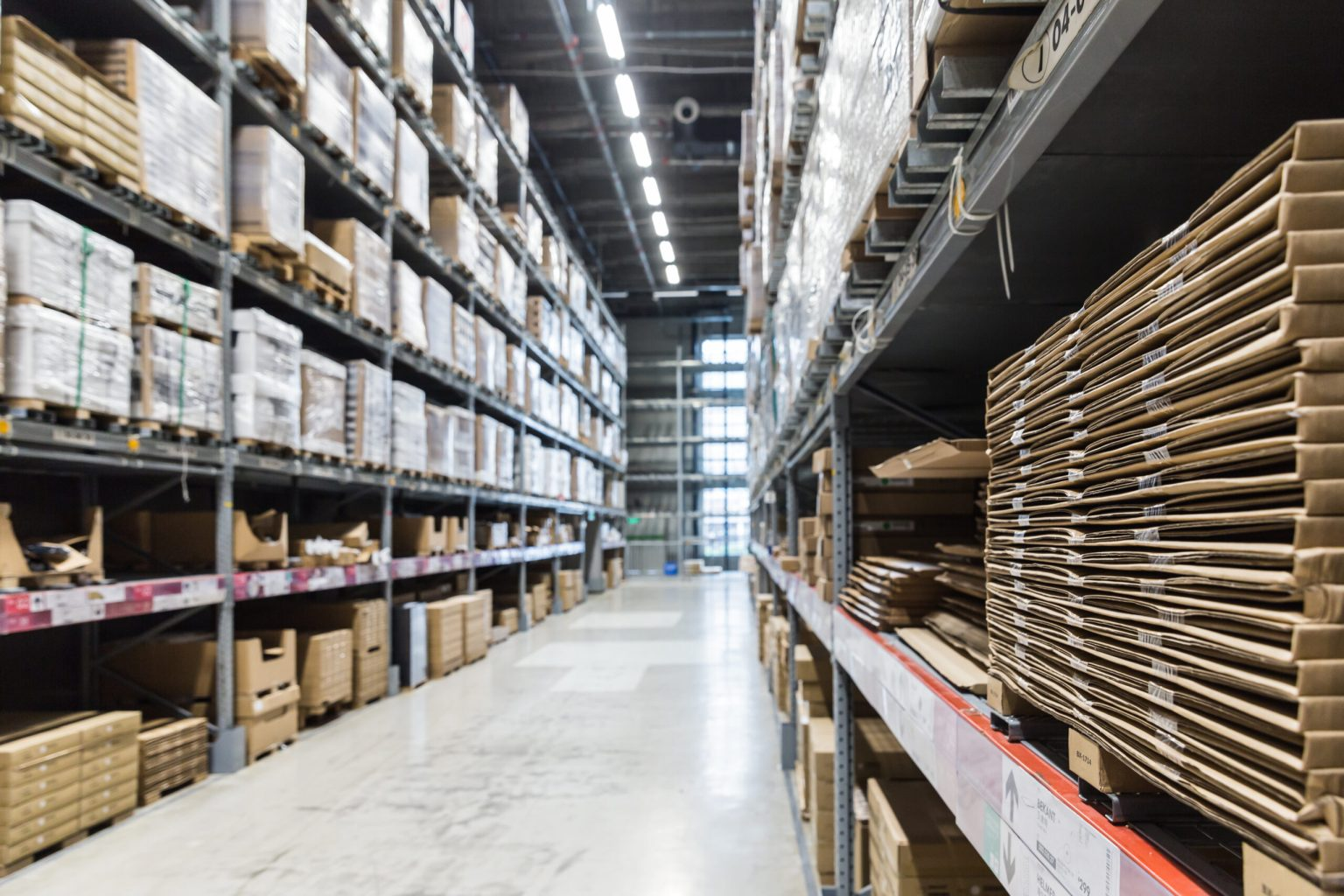
Project-based lighting begins with the space, the tasks performed there, and the conditions in which products must operate. A warehouse needs practical illumination across storage aisles, picking zones, packing stations, and circulation routes. Linear fixtures may provide general lighting, while flexible LED strips support details such as shelves, workbenches, signs, and architectural features. Coordinating these applications helps avoid mismatched products and installation details.
At LEDIA Lighting, we support commercial and industrial projects with LED strip lights and linear fixtures. Our reference case, “Linear fixture used in a warehouse,” provides a useful starting point for discussing how to translate project requirements into a clear lighting specification.
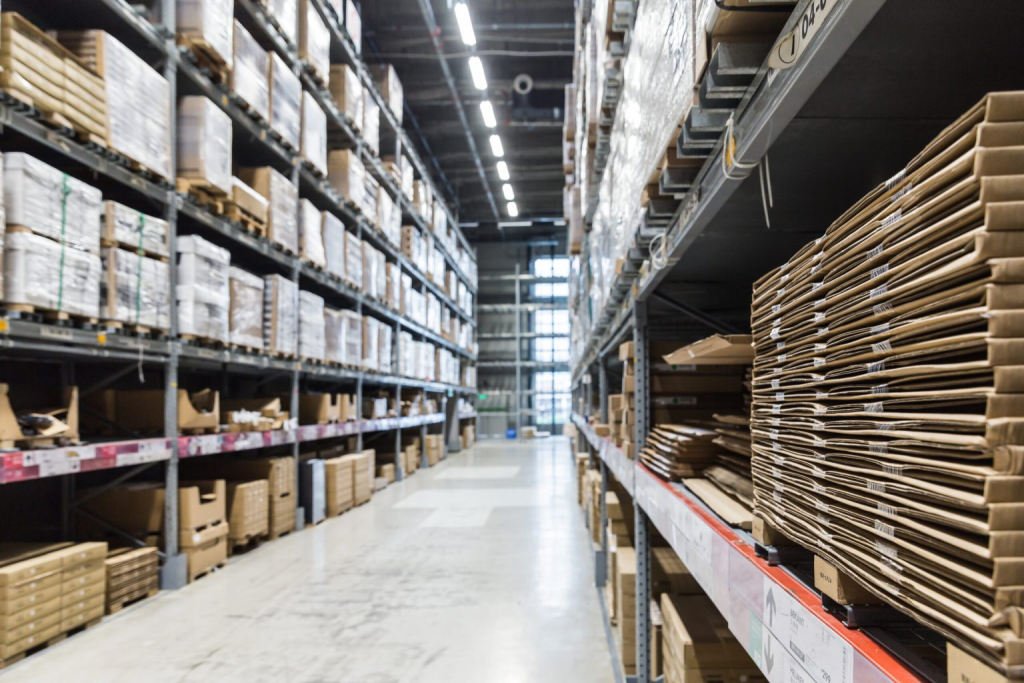
Start with the Site and the Work Being Done
Before choosing products, record ceiling height, aisle width, rack arrangement, mounting surfaces, temperature, dust, moisture, and operating hours. Map the activities in each zone. Bulk storage, picking, packing, inspection, and loading do not necessarily require the same light levels or distribution.
For LED strip light projects, this site review clarifies where flexible strips add value and where complete luminaires are more appropriate. Strips can highlight shelf edges, illuminate work surfaces, or provide low-level guidance. They should not automatically replace warehouse high-bay or linear fixtures designed to deliver the required general illumination.
Separate General Lighting from Accent and Task Lighting
A useful project plan assigns each lighting layer a purpose. Linear fixtures arranged along warehouse aisles can provide broad, consistent illumination. Dedicated task lighting can support detailed work at packing benches or inspection points. LED strips can be integrated into shelving, counters, equipment enclosures, or signs where a compact light source is needed.
This distinction is important when specifying commercial linear lighting. Fixture output, optics, mounting height, and spacing should be selected around the space geometry. For strips, consider their position, visibility, profile, and whether the light will be direct or reflected. A coordinated design prevents decorative or localized lighting from being mistaken for a substitute for safe working illumination.
Check Uniformity, Glare, and Vertical Visibility
Brightness alone does not determine whether a warehouse is well lit. Uneven distribution can create dark gaps between fixtures or shadows behind tall racks. Glare can also make it harder for workers to look toward signs, read labels, or operate equipment. Evaluate the lighting layout at the working plane and on vertical rack faces where labels and barcodes are viewed.
Use a lighting calculation or simulation to check maintained illuminance, uniformity, and glare for the actual layout. The appropriate criteria depend on the task and applicable local standards; avoid applying one lux target to every warehouse zone. For LED strip light projects, review whether the strip contributes to the intended task or merely adds visual emphasis.
Select Products for Environmental and Electrical Conditions
Warehouses can expose lighting to dust, occasional moisture, temperature changes, vibration, and long operating hours. Match the luminaire or strip’s ingress protection rating to the installation environment, and check the rating of the complete assembly. Connectors, end caps, cable entries, drivers, and field joints can affect protection even when the light source itself carries an IP rating.
Electrical planning should cover input voltage, total load, driver capacity, dimming or sensor compatibility, circuit layout, and access for maintenance. Long strip runs may need additional power feeds to limit voltage drop. For LED strip light projects, confirm cut intervals, mounting channels, heat dissipation, and cable routes before installation rather than improvising on site.
Review the Supplier’s Project and Production Capabilities
A project supplier should discuss application requirements, documentation, samples, customization, lead times, and quality checks. Request photometric files and datasheets for the exact model. Confirm that performance claims and certifications apply to the selected configuration and destination market.
At LEDIA Lighting, we provide LED strip solutions alongside office linear, high-bay, and tri-proof fixtures. Our product range includes linear high-bay options intended for warehouses and garages, as well as tri-proof linear fixtures for locations such as parking areas, underground passages, and industrial spaces. Our “Linear fixture used in a warehouse” reference case illustrates the relevance of linear luminaires in this type of environment.
Turn the Brief into a Coordinated Specification
Bring the project information together in a schedule that records each zone, lighting purpose, fixture or strip type, mounting method, output, color requirements, protection rating, controls, and accessories. Include drawings showing fixture positions, strip routes, driver locations, cable paths, and maintenance access. This makes responsibilities clearer for designers, contractors, procurement teams, and facility managers.
When reviewing commercial linear lighting, compare complete system performance rather than unit price alone. Consider installation labor, energy use, control strategy, replacement access, and expected maintenance. For LED strip light projects, approve a representative sample and test it with the intended profile, diffuser, power supply, and controls before ordering at scale.
Build a Practical Starting Point for Project Success
Successful project lighting comes from matching each product to a defined task and installation condition. In warehouses, linear fixtures can establish the main lighting structure, while LED strips can address targeted details around shelves, workstations, and signage. At LEDIA Lighting, we help project partners explore strip and fixture options for commercial and industrial applications. A site review, clear specification, and verified sample provide a sound basis for moving from an initial concept to coordinated procurement and installation.