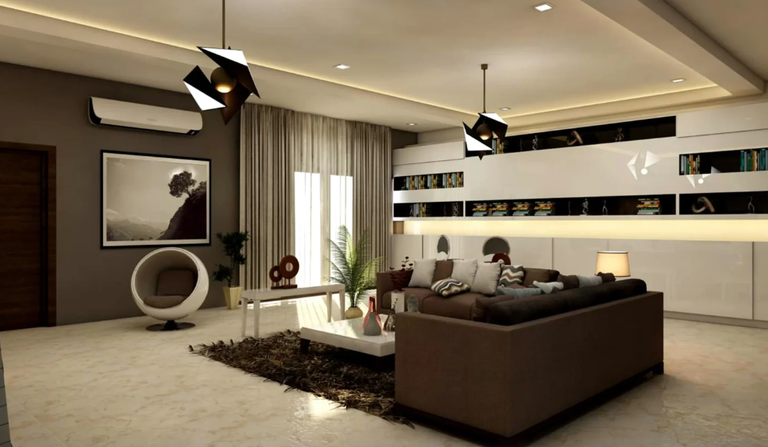
A clean lighting scheme does more than reduce visual clutter. It helps commercial interiors direct attention, define merchandise, support circulation, and maintain a consistent visual language. For retail, display, cabinetry, and integrated architectural details, linear fixtures are especially useful because their long, narrow form can deliver continuous-looking illumination without making the fixture itself the focus. Adding dimming and adjustable white light gives project teams more control over how a space looks at different times and for different tasks.
Why Linear Lighting Supports a Minimal Visual Language
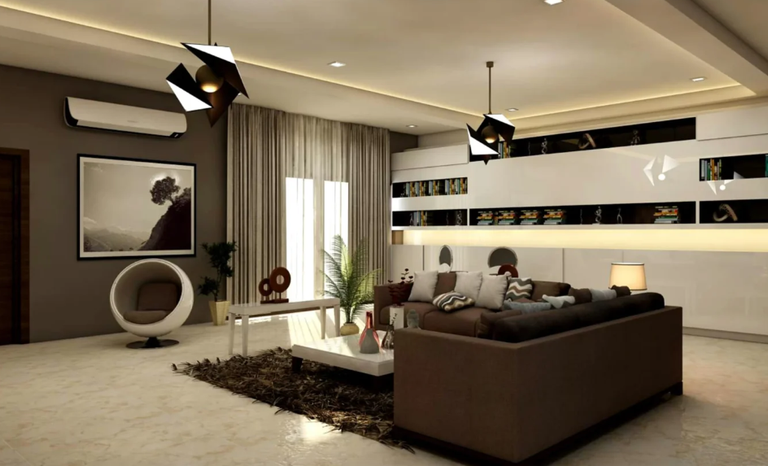
Linear lighting works well when the design objective is to make illumination feel integrated rather than decorative. A narrow light source can follow shelves, counters, display structures, recesses, and other architectural lines. The result can emphasize products or surfaces while keeping hardware visually restrained.
That distinction matters in commercial projects. Designers and contractors often need lighting that performs a specific visual task without competing with finishes, signage, merchandise, or architectural details. A slim profile can therefore be valuable not only for aesthetics but also for coordination with the surrounding installation.
How a Dimmable Linear LED Light Adds Practical Control
A dimmable linear LED light can adapt output to different operating conditions instead of maintaining one fixed brightness throughout the day. Retailers may want stronger illumination for product presentation, while display or integrated lighting may need a lower output when ambient lighting already contributes to the scene.
The control system also deserves attention during specification. The U.S. Department of Energy notes that LED dimming performance can vary among products and recommends considering the actual dimming response when specifying controlled lighting. Common commercial control approaches include 0–10V and DALI, while other systems can use PWM or different control interfaces. This makes compatibility between the fixture, driver, controller, and project controls essential.
Why 24V DC LED Light Fittings Suit Integrated Applications
For projects using low-voltage linear fixtures, 24V DC LED light fittings can simplify the design of compact lighting installations. Constant-voltage 24V systems are used for applications such as retail display and linear accent lighting, with dedicated drivers supplying the required DC output. The driver and fixture still need to be selected as a compatible system rather than treated as interchangeable components.
Using 24V DC LED light fittings can also be practical where lighting is distributed through cabinets, displays, shelves, or other integrated structures. However, project teams should confirm driver capacity, wiring requirements, dimming method, and installation conditions before finalizing a system.
CCT Tuning Helps Match the Space to Its Purpose
Brightness is one part of the lighting experience. Color temperature can influence how merchandise, materials, finishes, and architectural surfaces are perceived. The Department of Energy notes that color-tunable LED products require appropriate controls and that intensity and color can be managed separately in white-tuning systems.
For commercial users, this flexibility can be useful when one lighting installation must support several scenes. A warmer setting may complement a particular retail presentation, while a different white point can provide a more neutral appearance. The key is to select a system whose CCT range and control method match the project’s actual requirements.
Needle G02: Slim Form with Free Connection
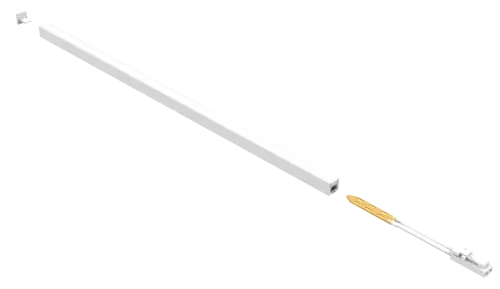
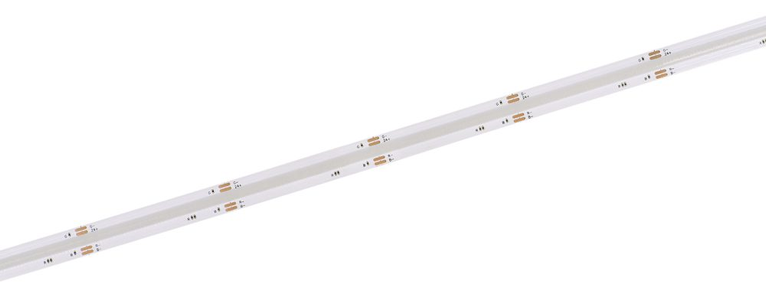
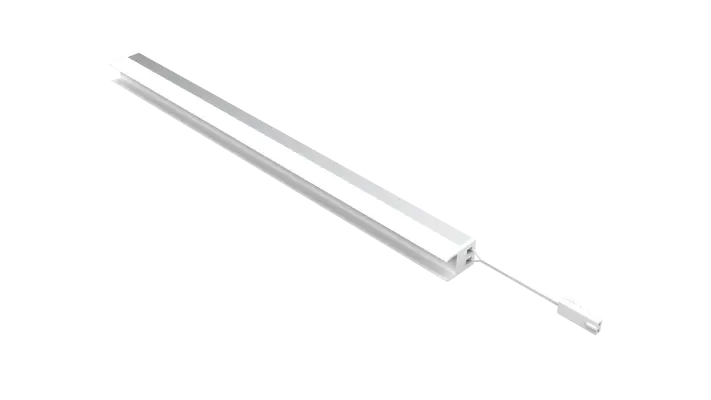
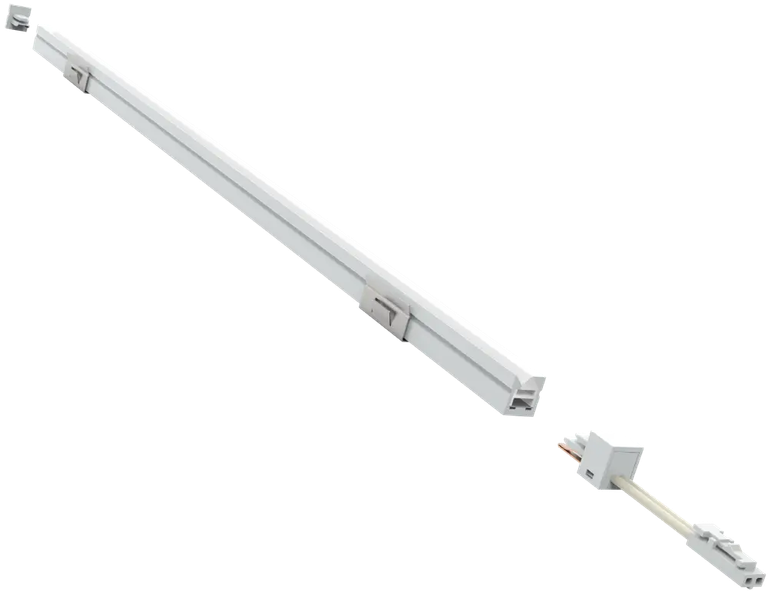
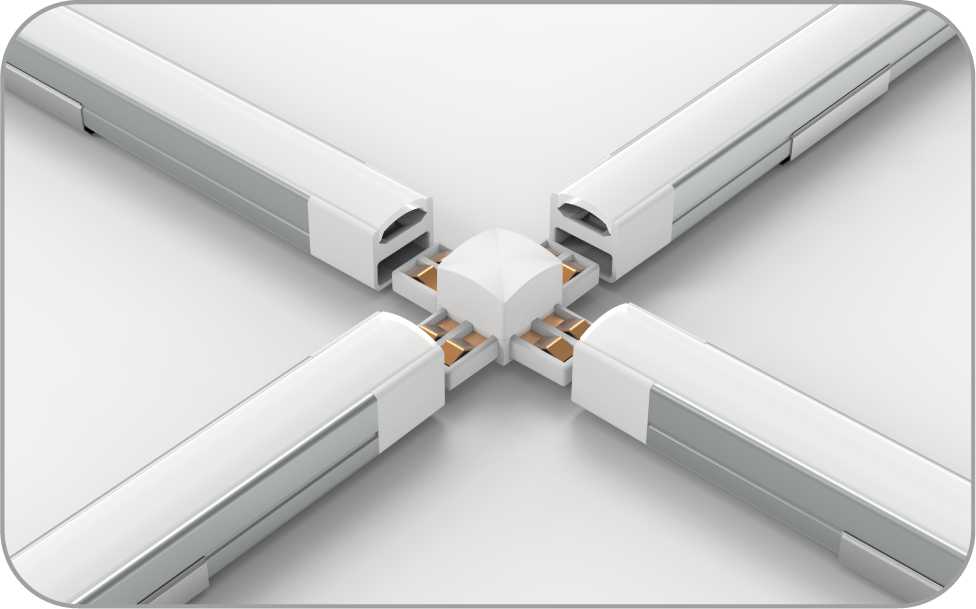
For projects where discreet hardware and adaptable connections are priorities, we offer the Needle G02 Series, a DC 24V CCT tunable and dimmable linear lighting solution for retail, display, and integrated lighting applications. Its magnetic linear light structure is designed to make installation and connection easier, while the ultra-slim light bar, connector, and controller help keep the lighting system visually unobtrusive.
The free-connection concept is particularly useful for project-based installations. Multiple light-bar sizes and various connectors allow users to create the connections required for different layouts. Rather than forcing every display or integrated structure into one standard configuration, the system can be arranged around the physical requirements of the application.
For specifiers comparing 24V DC LED light fittings, the G02 Series also brings CCT tuning and dimming into the same linear lighting concept. That combination can help create a more adaptable installation while maintaining the slim appearance that modern commercial interiors often require.
Planning for Consistent Results
A successful linear lighting installation begins before the fixtures arrive on site. Teams should define the required light distribution, brightness range, color temperature, connection layout, mounting method, and control strategy. It is equally important to coordinate the power supply and controls with the selected fixture so the intended dimming behavior can be achieved.
Mock-ups can also reduce project risk, especially where merchandise appearance or architectural finishes are important. A physical test can reveal whether the light level, color, fixture visibility, and spacing meet the design intent before larger quantities are installed.
A Cleaner Lighting Strategy for Modern Projects
The appeal of linear lighting comes from its ability to combine visual simplicity with functional flexibility. A dimmable linear LED light can help project teams adjust illumination to suit changing scenes, while careful control selection supports more predictable operation. For low-voltage integrated applications, 24V systems offer another practical route when their drivers and controls are correctly matched.
At LEDIA Lighting, we developed the Needle G02 Series around these project considerations, combining a slim structure, free-connection approach, CCT tuning, and dimming for retail, display, and integrated applications. With the light source kept visually discreet, the focus can remain on the merchandise, materials, and architecture that the lighting is intended to support.