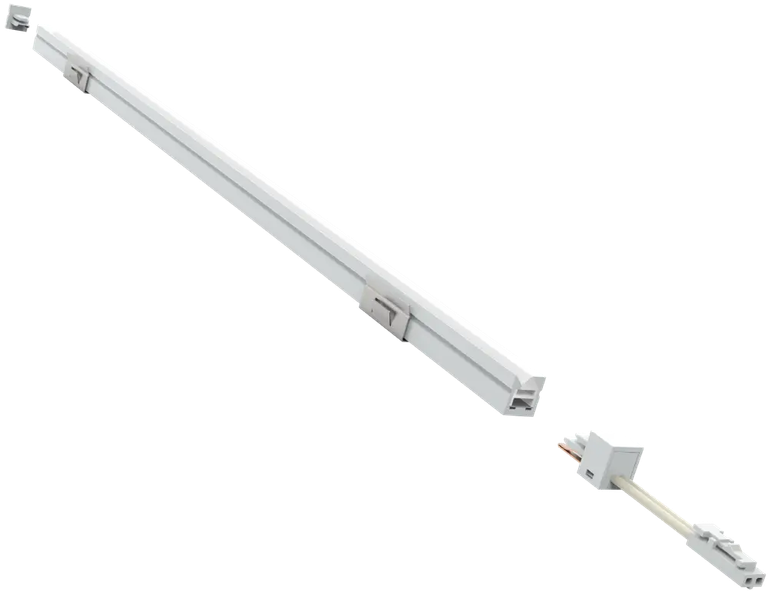
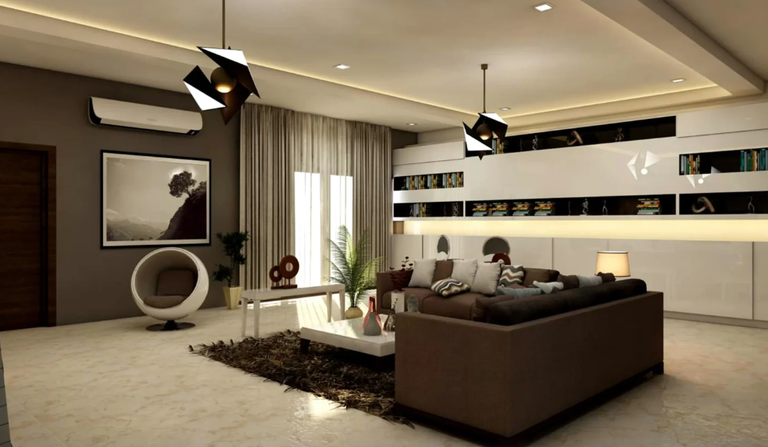
Custom linear lighting gives project teams more flexibility when standard luminaires do not fit the architecture, furniture, or performance requirements. For commercial, residential, industrial, and outdoor projects, customization can involve dimensions, installation methods, light distribution, controls, and environmental protection. We approach each project by considering how the lighting will function within its application rather than treating customization as a purely aesthetic decision.
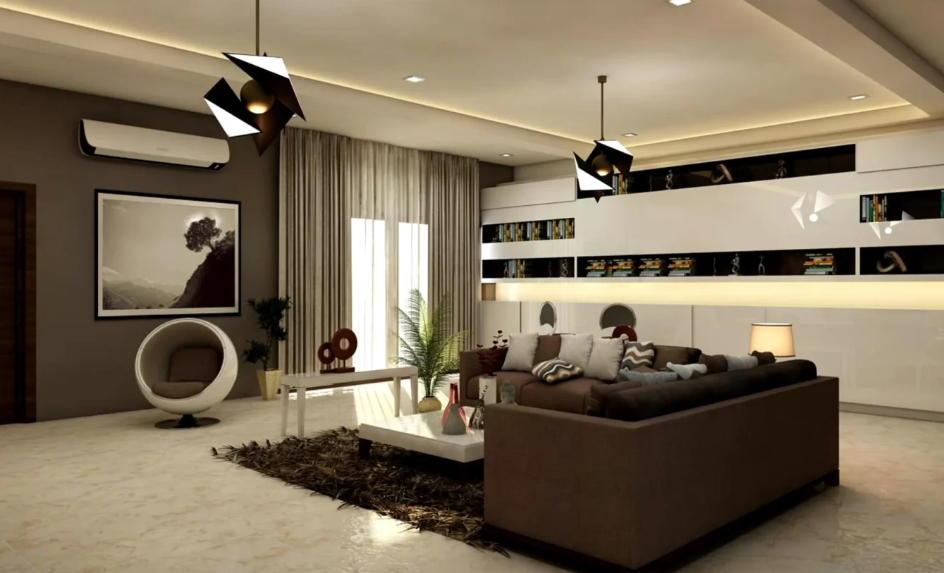
What Does Custom Linear Lighting Involve?
Customization can mean different things depending on the project. A lighting designer may require a particular length, shape, mounting arrangement, output, or optical effect, while a furniture manufacturer may prioritize compact integration and simplified installation. The U.S. Department of Energy notes that customized luminaire design can optimize beam distribution and application efficiency, demonstrating that customization can address both performance and design requirements.
For buyers, the first step is therefore to define the project conditions. Consider the available installation space, required light level, viewing angles, operating environment, power arrangement, and maintenance access before selecting a lighting system. This creates a clearer specification and reduces the risk of making changes after production or installation has started.
How Should You Define Custom Light Fixtures?
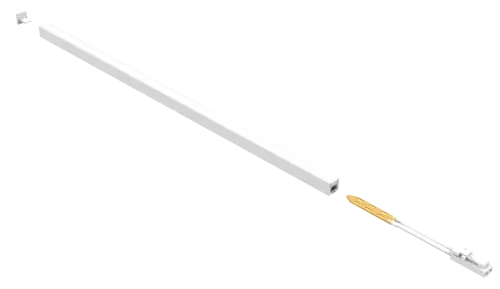
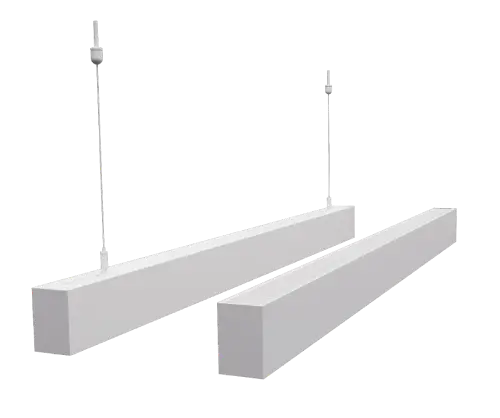
The term custom light fixtures can cover a broad range of solutions, so specifications should be as precise as possible. Instead of simply requesting a customized product, project teams should identify required dimensions, mounting position, illumination direction, control method, and environmental conditions.
Light output and efficiency should also be evaluated according to the intended application. DOE purchasing guidance emphasizes comparing luminous efficacy between comparable LED products and considering factors such as light output, distribution, color characteristics, power factor, and lumen maintenance. These details help buyers compare products on performance rather than appearance alone.
When Are Custom LED Light Strips Useful?
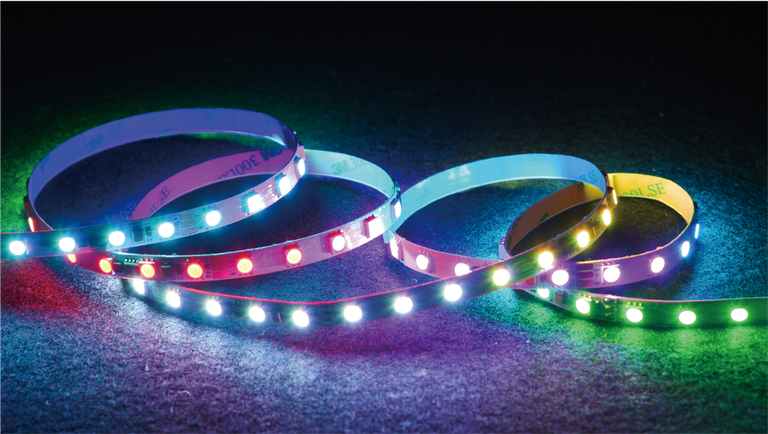
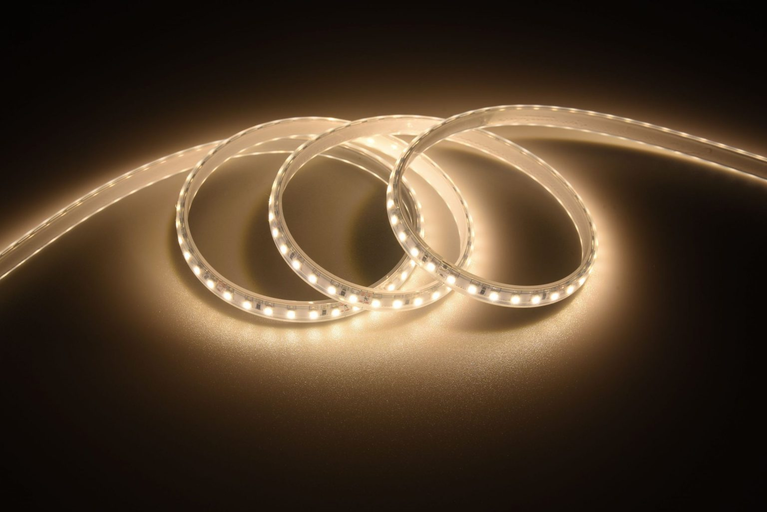
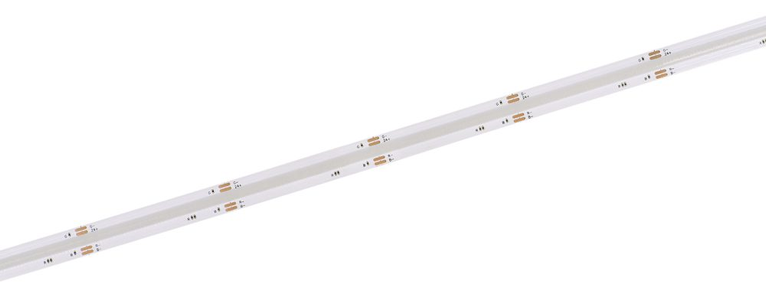
Custom LED light strips are particularly useful when continuous illumination needs to follow furniture, architectural details, curved surfaces, or irregular dimensions. Their flexibility can make them suitable for applications where rigid luminaires would require numerous sections or complicated transitions.
We provide customizable LED light strips for industrial, commercial, residential, and outdoor applications. This allows project teams to consider lighting as part of the overall installation rather than adding a standard fixture after the surrounding structure has already been designed.
For residential projects, linear lighting can support kitchens, cabinets, living areas, wardrobes, and decorative details. The objective may be functional illumination, visual comfort, or a combination of both. Careful placement remains important because the same strip can produce very different results depending on its distance from the surface and viewing angle.
What Should Commercial Buyers Consider?
Commercial projects usually require closer attention to performance, installation coordination, controls, and maintenance. Linear LED luminaires are already used across commercial and industrial applications, while LED systems can also accommodate strategies such as occupancy sensing, task tuning, and dimming.
For larger installations, we recommend establishing the lighting specification before furniture, ceilings, walls, or architectural features are finalized. A customized system can then be coordinated with the building structure, electrical layout, and control strategy. Maintenance access should also be included in the planning stage rather than treated as an afterthought.
IES project examples show how customized linear systems can be integrated into architectural details while retaining access for remote drivers and maintenance. This demonstrates why mechanical and electrical coordination is important when specifying custom light fixtures.
How Does Outdoor Application Change the Specification?
Outdoor environments introduce additional requirements because lighting equipment can be exposed to moisture, dust, temperature changes, physical impact, and other environmental conditions. The appropriate protection level should therefore be selected according to the actual installation environment rather than assuming that every flexible LED product is suitable for exterior use.
Our outdoor offering includes durable custom outdoor light fixtures and exterior linear lighting options for architectural and commercial projects. We consider the application environment when developing a suitable solution, helping project teams address both appearance and functional requirements.
Outdoor design should also consider light spill and the surrounding environment. IES and DOE guidance emphasizes responsible outdoor lighting practices such as limiting unnecessary light, controlling uplight, and reducing light trespass.
What About Controls, Installation, and Maintenance?
A customized lighting project should define its control requirements early. Depending on the application, users may need simple switching, dimming, or more advanced control systems. DOE guidance notes that LED systems can support different control approaches, while the appropriate method depends on the project objectives and system design.
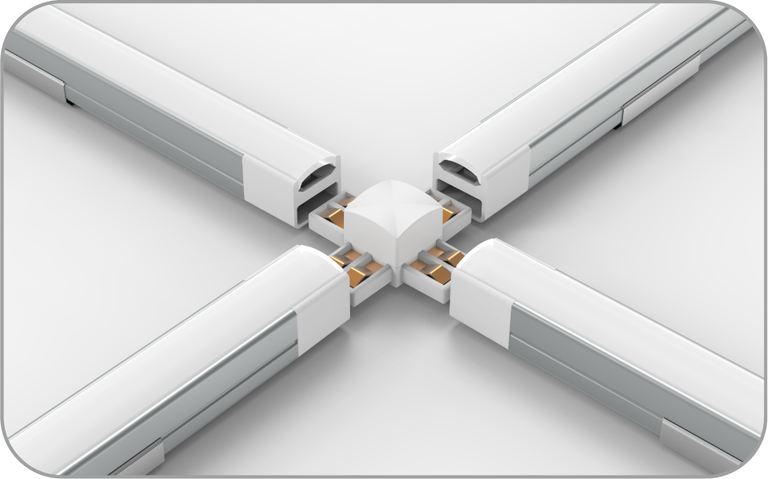
Installation details matter just as much. With custom LED light strips, teams should establish connection points, power arrangements, mounting methods, cable routes, and access for future servicing. These decisions influence installation labor and can have a direct effect on project cost.
We support different application environments with customizable linear lighting options so that specifications can be developed around actual project requirements. This approach is particularly useful when residential furniture, commercial interiors, architectural elements, or outdoor structures require different solutions.
Building a Better Linear Lighting Specification
A successful customized lighting project starts with clear questions: Where will the light be installed? What surface or object needs illumination? How much light is required? What environmental conditions will the product face? How will it be powered, controlled, installed, and maintained?
By answering these questions early, buyers can distinguish genuine customization from unnecessary complexity. Custom light fixtures should solve a defined project challenge, while custom LED light strips should be selected according to the required form, function, and environment.
At LEDIA Lighting, we apply this principle across our residential and outdoor linear lighting solutions, developing options for different installation conditions and design objectives. For project teams, the result is a more structured path from initial lighting concept to practical product specification.