For project buyers, custom-size linear lighting is not simply a matter of cutting a strip to length. The finished result depends on how accurately the lighting fits the furniture, display, or architectural element, as well as how easily installers can make connections on site. A well-planned system should therefore address dimensions, installation, light quality, controls, and long-term practicality before procurement begins.
1. Define the Required Dimensions Before Ordering
The first consideration is the physical space available for the lighting. Furniture shelves, wardrobes, cabinets, showcases, and retail fixtures can all have different lengths and depths. Even a small mismatch can create unwanted dark areas, visible gaps, or difficult installation conditions.
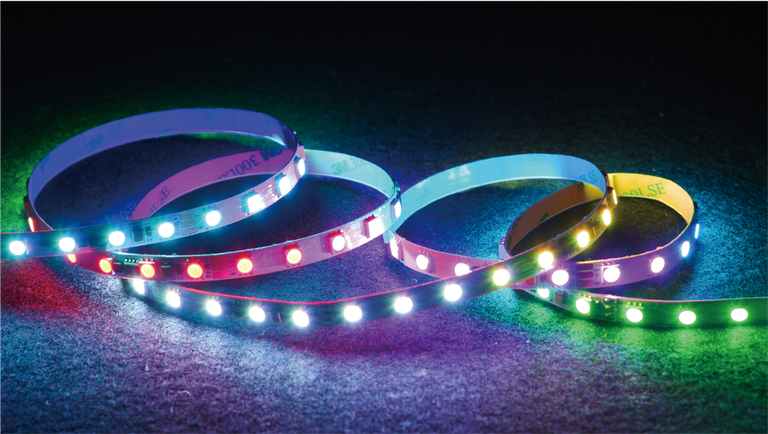
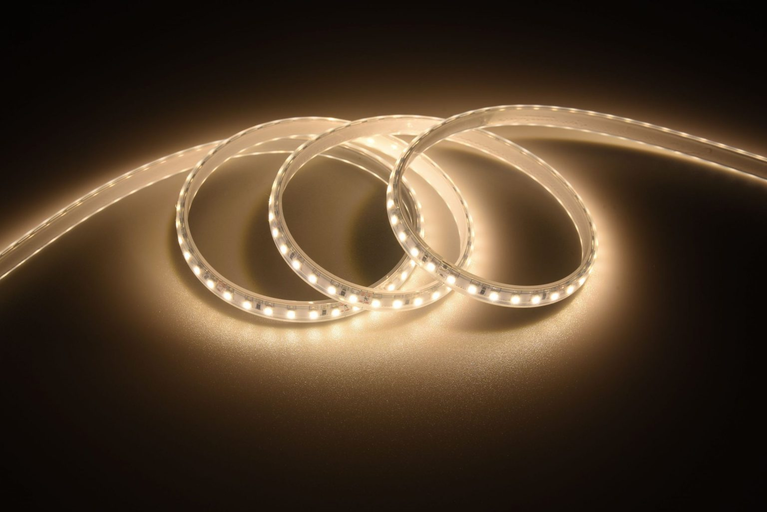
When planning custom size LED strips, buyers should document the required lengths, mounting positions, available depth, cable routes, and connection points. It is also useful to identify whether every section requires the same length or whether several different sizes will be needed across one project.
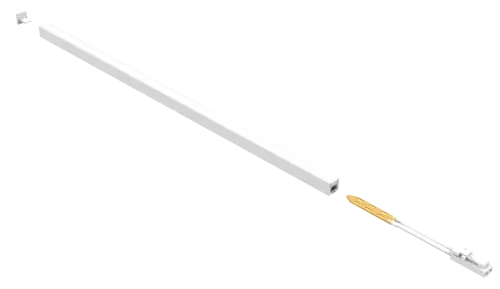
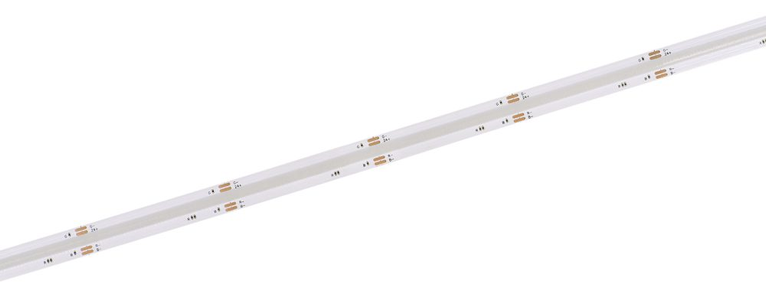
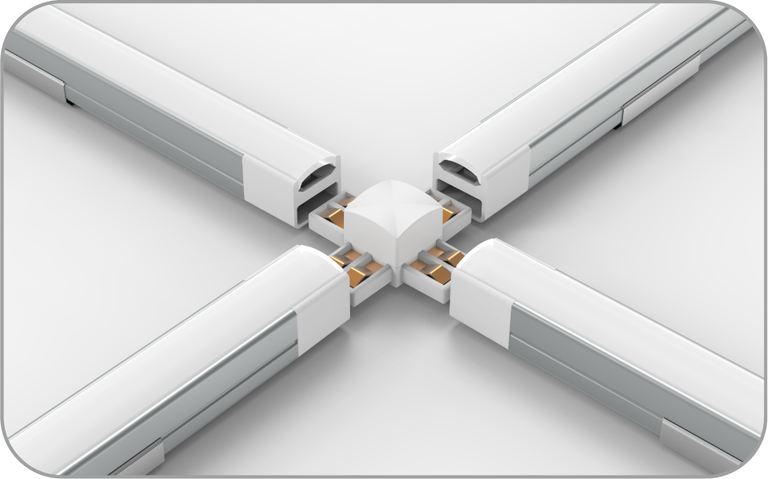
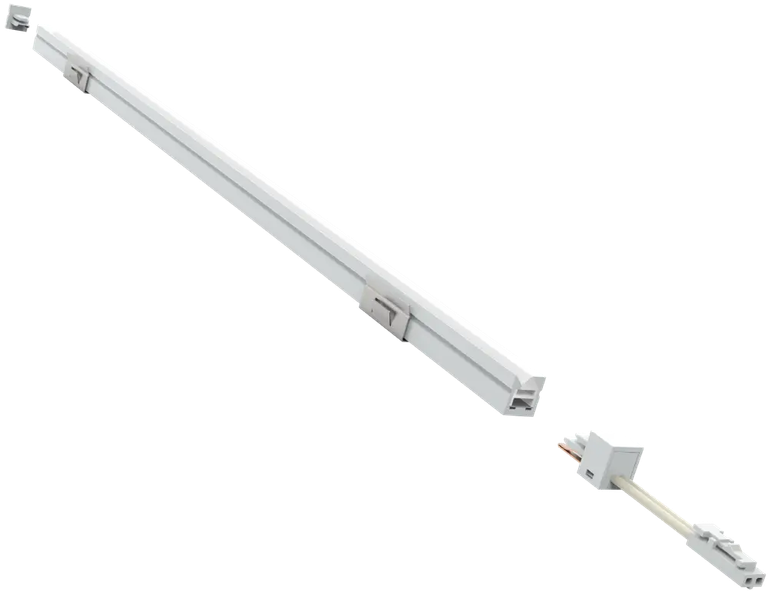
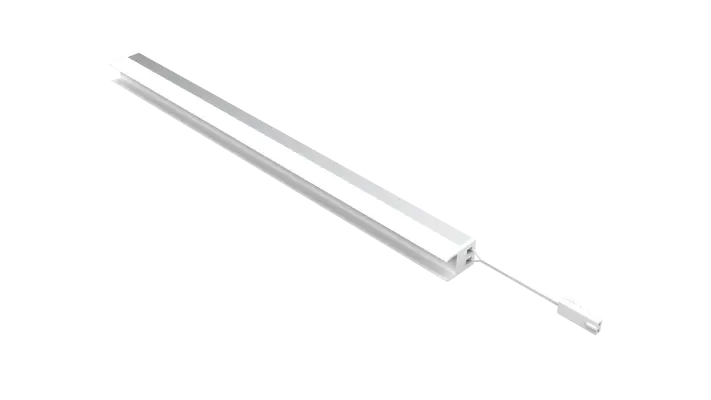
Our F02 Built-in & Free Cutting Alu Profile Strip Light is designed around this practical requirement. Its free-cutting capability allows the lighting to be cut to the required length for different installation needs, helping project teams adapt the fixture to furniture and retail layouts rather than forcing the layout around standard lengths.
2. Check How Installation Will Be Completed
A custom lighting plan should consider installation labor from the beginning. Cutting a fixture to the correct size is only part of the process; installers also need to connect each section reliably and efficiently.
Our F02 uses a patented quick plug-in design that supports free cutting and soldering-free installation. Its plug-and-play connection approach can reduce the need for on-site soldering and help simplify repetitive installation work. For contractors handling multiple cabinets, shelves, wardrobes, or showcases, these details can have a meaningful effect on installation time.
This is particularly relevant when custom size LED strips are specified across a large retail project. A connection method that is straightforward to repeat can make the installation process more consistent than relying on separate soldering work for every cut section.
3. Match the Profile to the Built-In Application
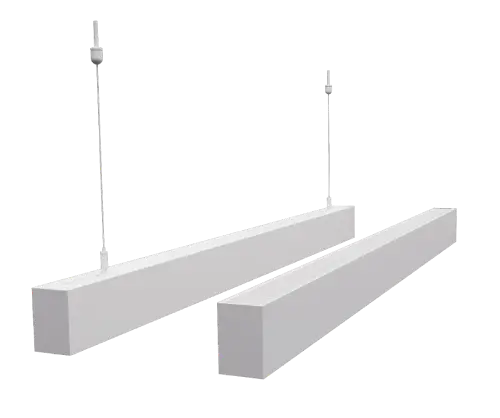
The physical profile matters because custom linear lighting is often intended to become part of the furniture or display rather than appear as an independent fixture. A properly integrated aluminum profile can help create a cleaner finished appearance and provide a defined location for the light source.
A recessed LED profile is particularly useful when the design calls for lighting to sit within a prepared channel or integrated structure. Rather than leaving the fixture visibly mounted on a surface, recessed installation can help maintain the visual continuity of cabinetry, shelving, or architectural details.
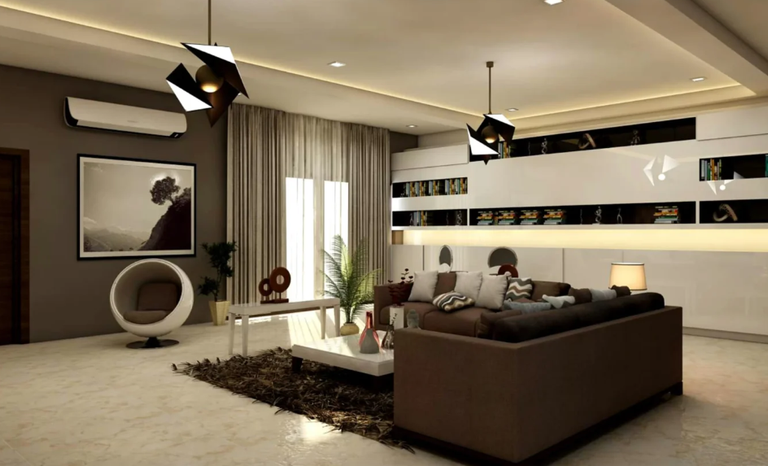
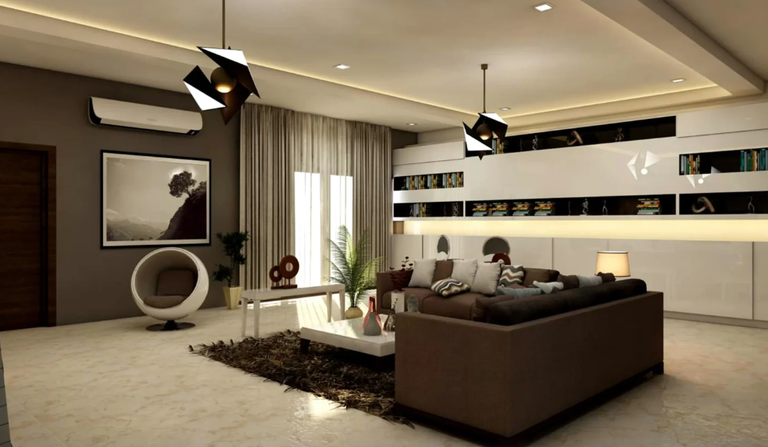
Our F02 is a built-in aluminum strip light intended for furniture and retail lighting applications. It can be used for under-cabinet lighting, closet and wardrobe lighting, and showcase LED lighting, making the profile suitable for applications where the fixture needs to be integrated into the surrounding design.
4. Specify Light Quality and CCT Carefully
Custom dimensions should never become the only specification priority. The light itself must also be appropriate for the objects and environment being illuminated. Color appearance is described through correlated color temperature, while color rendering helps indicate how accurately illuminated objects appear.
The U.S. Department of Energy recommends a minimum CRI of 80 for general interior lighting and notes that CRI 90 or higher indicates excellent color fidelity. For retail environments, higher color quality can be especially relevant because merchandise appearance influences how products are viewed.
Our F02 incorporates 2-wire CCT adjustment, allowing the lighting ambiance to be adjusted for different furniture and retail settings. Buyers should still establish the required CCT range and color-quality expectations before ordering, rather than treating adjustable CCT as a substitute for defining the project’s lighting objectives.
5. Consider Future Adjustments and Project Consistency
A large project may involve changes after the initial design. Furniture dimensions can be revised, display layouts can change, or different retail zones may require different lighting treatments. A system that accommodates practical adjustments can make procurement and installation easier to manage.
When evaluating a recessed LED profile, buyers should therefore consider how the profile will interact with the furniture construction, how connections will be accessed, and whether replacement or modification will be practical after installation. The goal is not only to achieve a clean appearance on day one but also to maintain serviceability.
Color consistency should also be reviewed when purchasing large quantities. DOE guidance notes that visual evaluation remains important when color appearance is critical, particularly for significant purchases. Samples or mock-ups can help project teams confirm the actual appearance before approving a larger order.
Turn Custom Dimensions Into a Practical Specification
Planning custom size LED strips works best when dimensions, installation, profile integration, light quality, and future requirements are considered together. For project buyers, this approach reduces the risk of discovering installation or specification problems after materials have already reached the site.
At LEDIA Lighting, we developed the F02 around these practical project concerns. Its built-in aluminum construction, free-cutting capability, patented quick plug-in design, soldering-free installation, and 2-wire CCT adjustment provide a flexible solution for furniture and retail applications.
For projects requiring a recessed LED profile, the priority should be a combination of clean integration and dependable installation rather than appearance alone. By establishing exact dimensions, connection requirements, CCT expectations, and installation conditions early, project teams can make custom linear lighting easier to specify, purchase, and install.