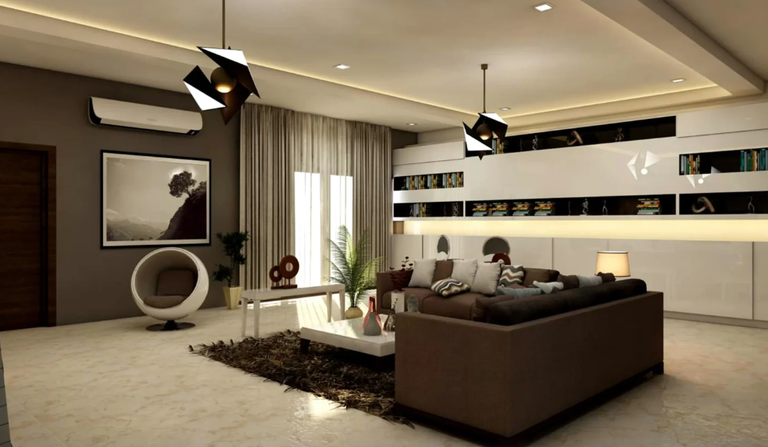
Well-planned shelf lighting does more than make cabinetry brighter. It can improve visibility, highlight merchandise or objects, and integrate illumination into furniture without competing with the interior design. For architects, furniture manufacturers, contractors, and project buyers, the better approach is to define requirements before selecting the product. At LEDIA Lighting, we recommend asking practical questions about shelf construction, light distribution, installation, controls, and maintenance.
What Will the Shelves Display?
Start with the objects that the shelving needs to illuminate. Books, glassware, clothing, decorative pieces, and packaged products can respond differently to light because their colors, textures, transparency, and surface finishes vary. The Illuminating Engineering Society recommends identifying what will be displayed and examining the back surface before deciding how shelf lighting should be detailed. Reflective surfaces can create unwanted reflections when the source is poorly positioned.
If products need accurate color presentation, specify appropriate color-rendering information rather than choosing a light based only on appearance. CRI measures color shifts relative to a reference source, while IES TM-30 provides additional information about color rendition.
Where Should the Light Source Sit?
Determine whether the light should come from above, below, the front edge, or vertically along the cabinet. Each position produces a different visual result. The IES notes that front lighting can work with a shelf lip, while vertical strips can support movable shelves when wiring is planned accordingly. The source should also be concealed where possible to reduce direct glare and unwanted views of the LEDs.
Before installation, check the available recess, shelf thickness, cabinet depth, and cable routes. An integrated system should still leave space for connections and servicing.
How Will You Handle Fixed or Adjustable Shelves?
Fixed shelves generally simplify wiring because the lighting connection does not need to move. A flexible light strip can be useful where shelf dimensions vary. Adjustable shelving requires more planning, particularly when every shelf needs illumination. Wiring can be routed vertically or designed around suitable connection systems, but the final solution should allow shelves to move without putting stress on electrical connections.
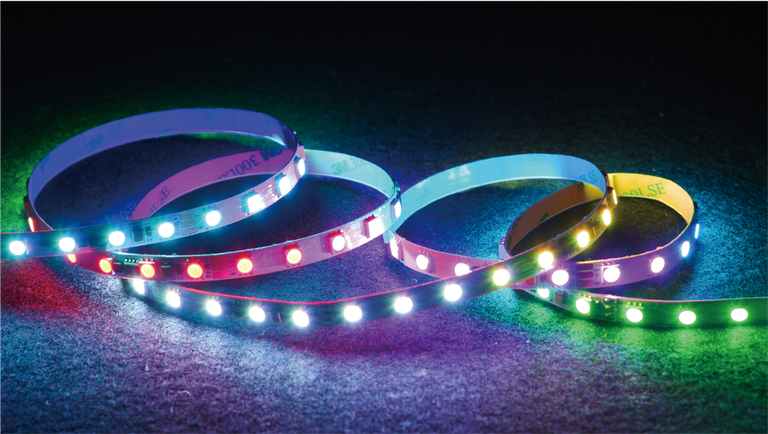
This is where LED light strips for furniture can be useful when selected around the furniture design. We consider the shelf configuration, cable path, and desired light position together during specification. It can reduce last-minute modifications across cabinet sections.
Does the Installation Method Fit the Project?
Installation time is an important commercial consideration, especially when a project contains many wardrobes, closets, or kitchen cabinets. Buyers should ask how many installation steps are involved and whether components can be prepared efficiently before furniture reaches the site.
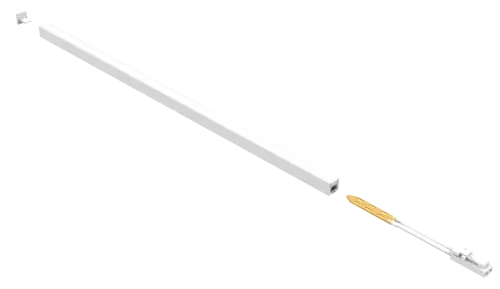
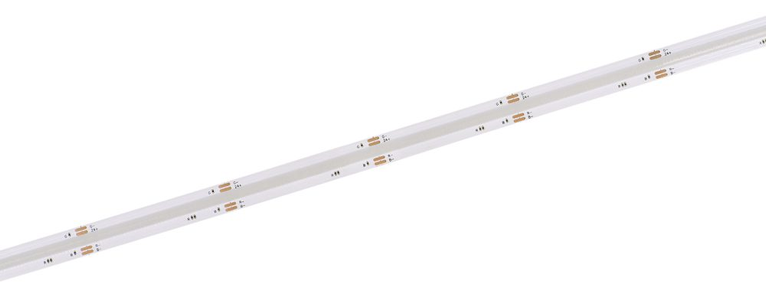
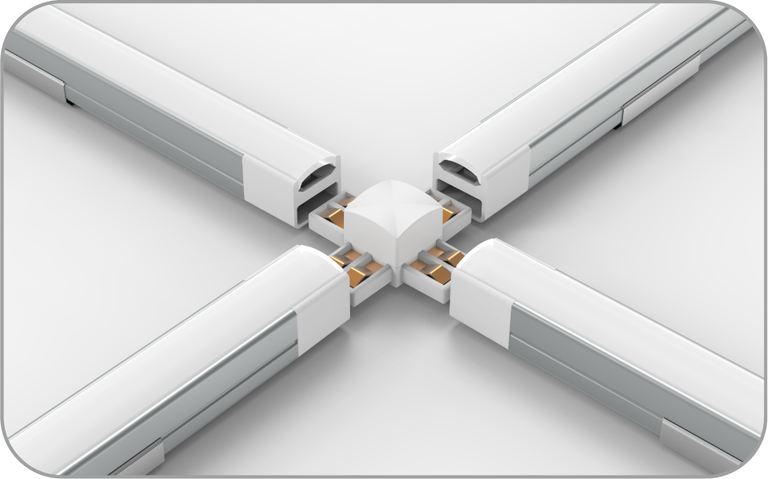
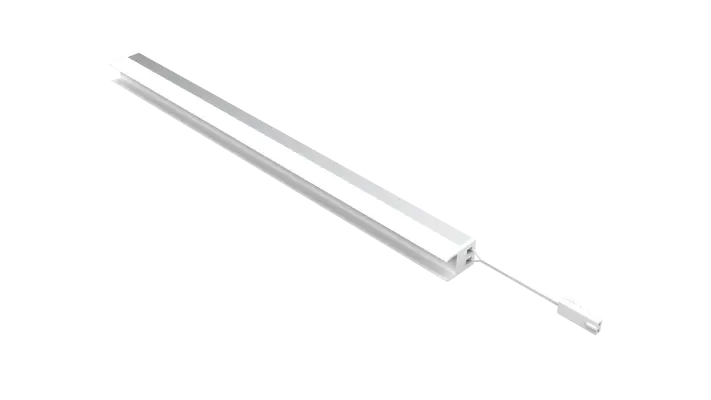
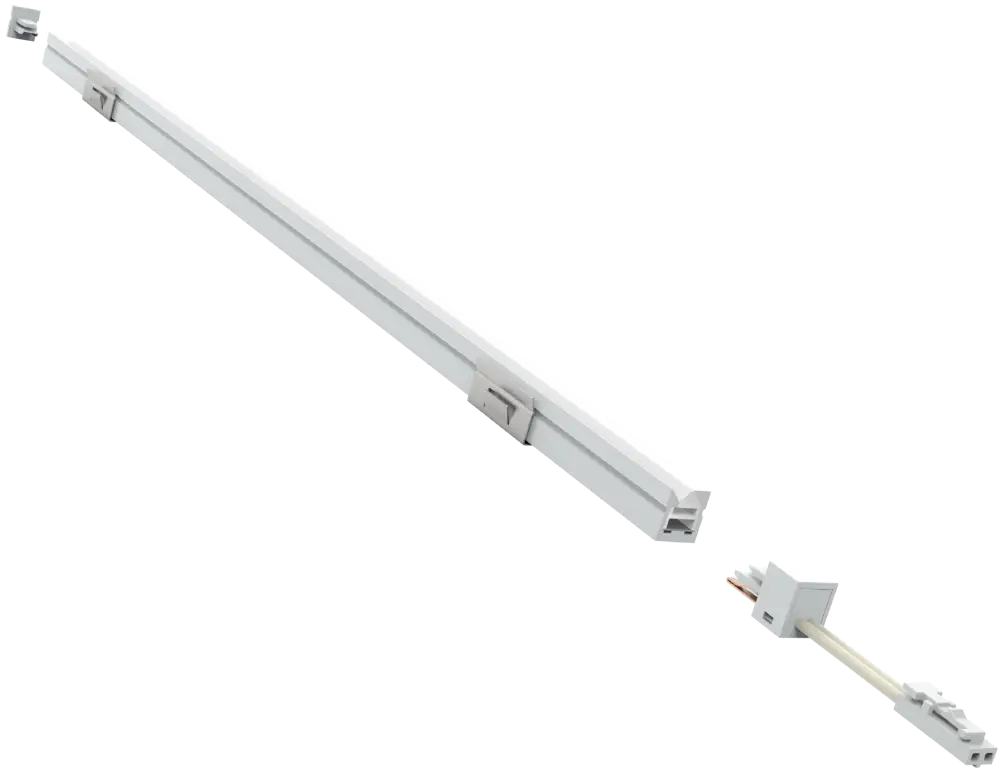
Our Built-in Silicone Light E08 is designed as a 12V/24V back-lit silicone strip solution for built-in furniture. Its patented quick plug-in terminal is designed for welding-free installation and does not require aluminum profiles. The double-color silicone extrusion creates a neon-style light effect and is designed to resist yellowing.
Can the Length Match Every Shelf?
Shelf dimensions rarely remain identical across an entire furniture project. A lighting system that forces standard lengths onto different cabinet sizes can create unnecessary waste or visible gaps. Ask whether the strip can be cut to the required length and how the supplied product is packaged.
E08 is designed to be cut at any length to accommodate different installation requirements. We supply it in whole rolls, which can reduce material waste and labor associated with handling multiple pre-cut pieces. For customized cabinetry, that flexibility can simplify installation planning.
What Driver and Control Arrangement Is Required?
Low-voltage shelf lighting still requires coordinated electrical components. The IES notes that most strip lights are low voltage and require a driver, which should remain accessible, ventilated, and concealed from view. Establish the driver location, power supply, switching method, dimming requirements, and cable routes before furniture production.
With E08, the driver, controller, and terminal can be combined freely with the strip to suit different scenarios and personalization requirements. This arrangement lets electrical planning develop alongside the cabinet layout, while a flexible light strip can support varied furniture details.
How Will You Balance Appearance and Maintenance?
A successful shelf-lighting specification needs to consider both installation and long-term service. Ask whether the light source will be visible from normal viewing angles, whether glare could affect users, and whether connections remain accessible for inspection or replacement. For commercial projects, standardized installation details can simplify maintenance.
We designed E08 for wardrobes, closets, kitchen cabinets, and other built-in furniture where a clean integrated appearance is important. Its welding-free connection method and flexible length approach can simplify installation, while the silicone construction supports the intended continuous neon-like effect. They should still be evaluated against the project’s lighting and electrical requirements.
Making the Furniture Lighting Decision
Choosing LED light strips for furniture should begin with the shelf, not the product catalog. Define what will be displayed, where light should fall, how shelves move, how components will be installed, and how drivers and controls will be maintained. This helps avoid coordination problems.
A flexible light strip can then be assessed for length, integration, appearance, and installation efficiency. We apply this approach with E08, using its 12V/24V format, quick plug-in terminal, cut-to-length design, whole-roll delivery, and flexible component configuration. For projects using LED light strips for furniture, these questions provide a practical starting point.