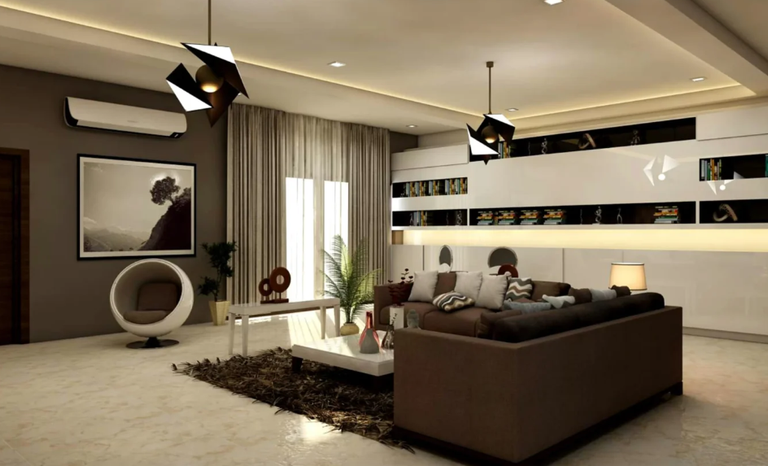
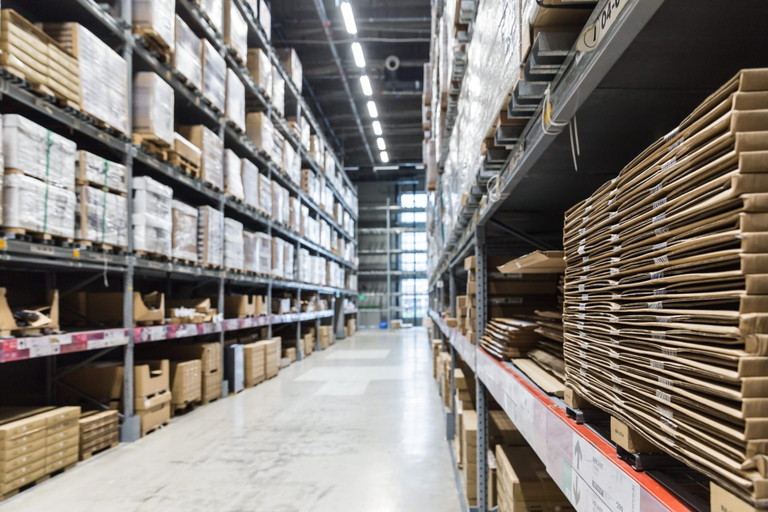
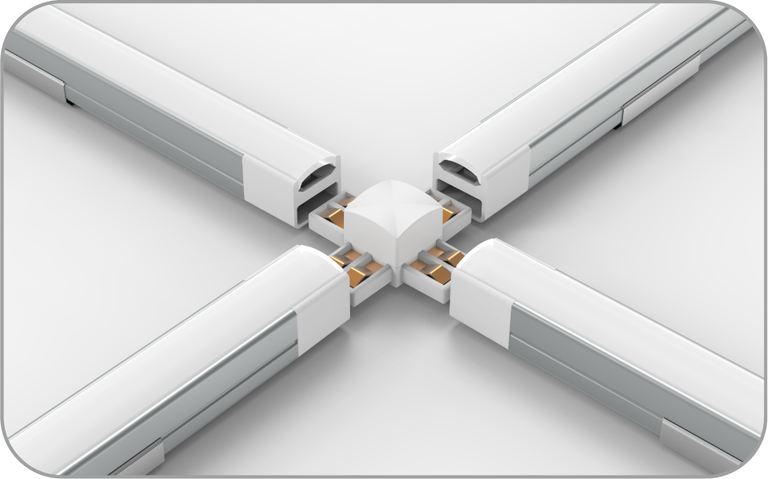
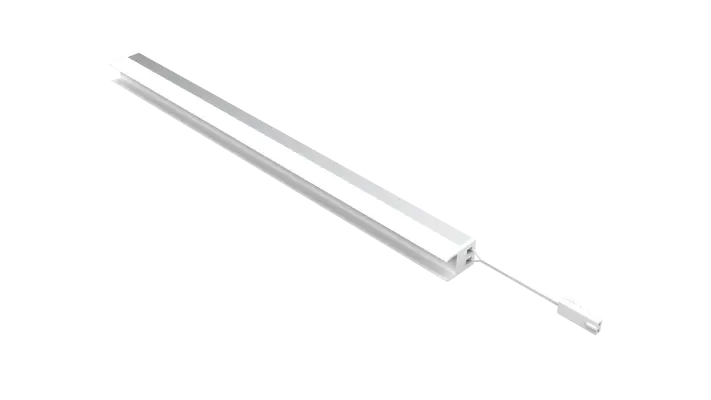
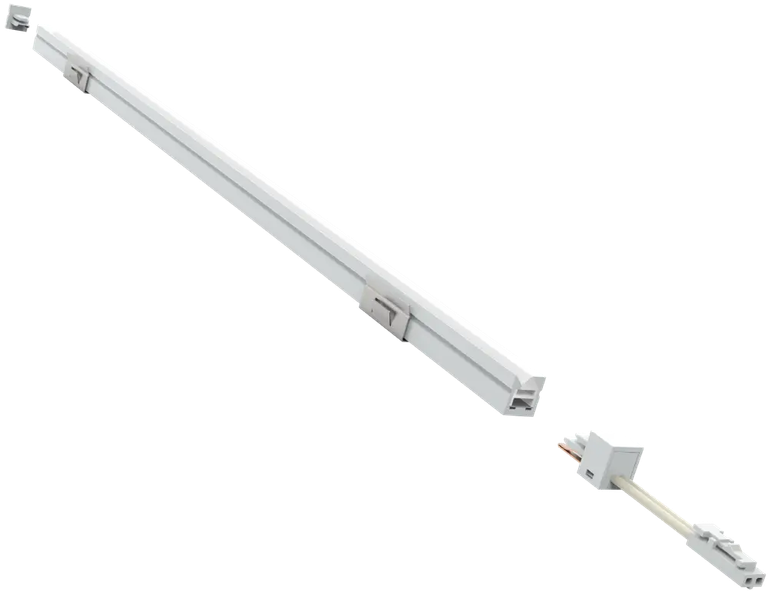
Commercial interiors need lighting that supports both visual goals and practical requirements. Offices, retail stores, hospitality spaces, showrooms, and public areas may have different layouts, operating hours, and brand identities. As a result, standard fixtures are not always the best fit. Custom light fixtures can help project teams address unusual dimensions, specific illumination needs, and coordinated design details while keeping procurement focused on measurable performance.
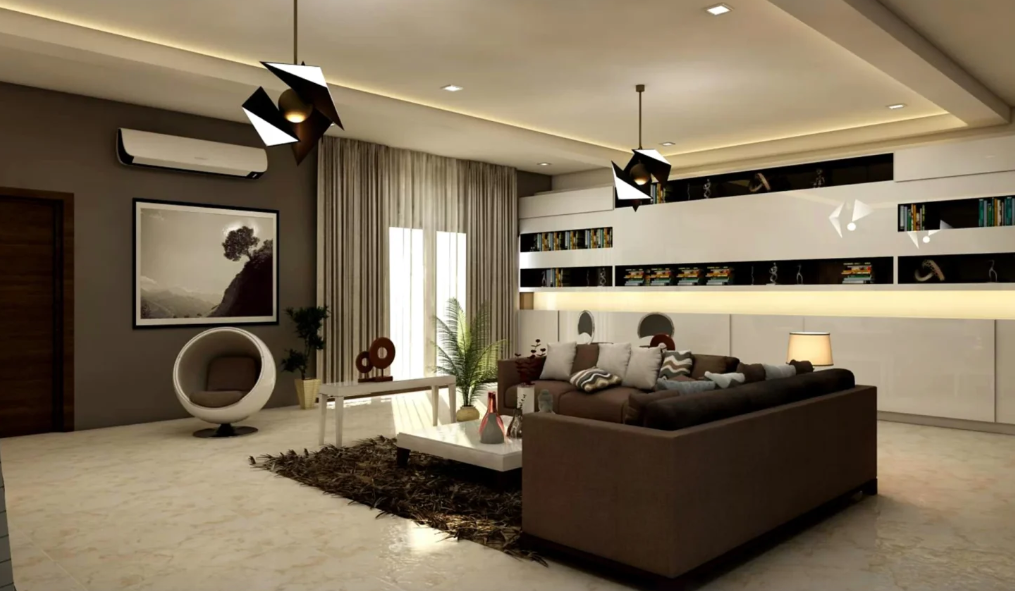
Define the Application Before Choosing the Fixture
The first step is to identify what the lighting must accomplish. General illumination, task lighting, accent lighting, and decorative effects require different distributions and output levels. A retail display may prioritize color appearance, while an office may place greater emphasis on comfortable, consistent illumination.
We recommend starting with the furniture, ceiling, wall, or architectural element where the light will be installed. Dimensions, mounting conditions, viewing angles, operating hours, and maintenance access should be documented before a supplier develops a customized solution. This reduces the risk of specifying a product that looks suitable but performs poorly after installation.
Match Light Quality to the Interior
Color appearance is another important specification. Correlated color temperature, or CCT, describes the apparent warmth or coolness of a light source, while color rendering metrics indicate how accurately objects appear under that light. The U.S. Department of Energy generally recommends a minimum CRI of 80 for interior lighting, while higher color fidelity can be useful where merchandise, finishes, or materials require careful visual evaluation.
Efficiency should also be evaluated as part of the complete fixture rather than the LED source alone. DOE explains that luminaire efficacy depends on the LED, fixture design, and power supply working together. Therefore, buyers should compare relevant performance data instead of assuming every LED product delivers the same result.
Plan Dimensions, Integration, and Installation
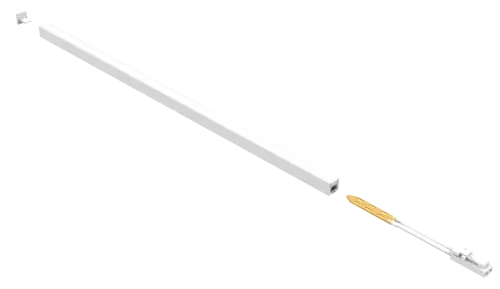
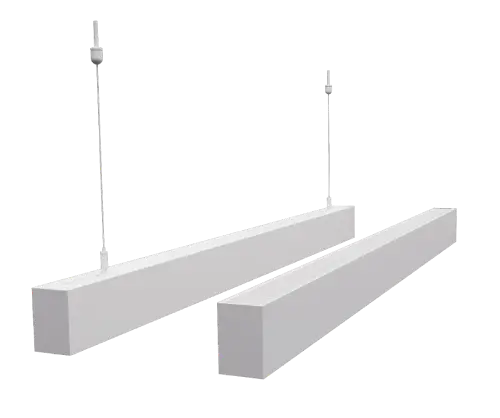
A custom fixture should fit the project rather than force the project to accommodate the fixture. This is particularly important for linear applications, built-in furniture, curved surfaces, concealed lighting, and architectural details. The specification should define required lengths, mounting conditions, connection points, power arrangements, and installation methods before production.
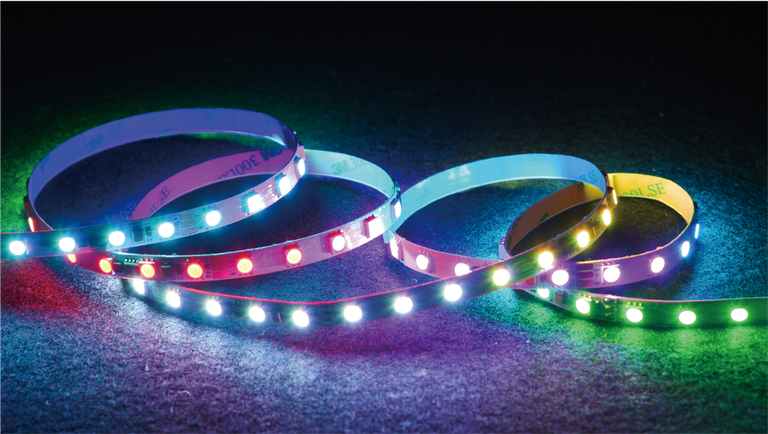
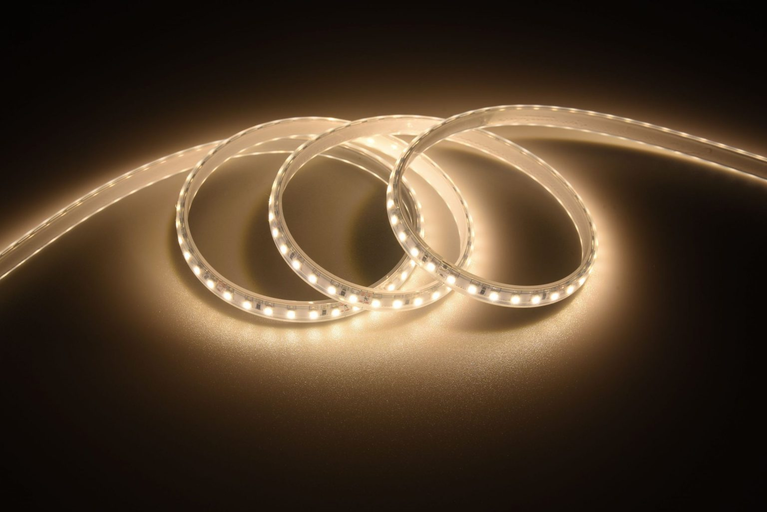
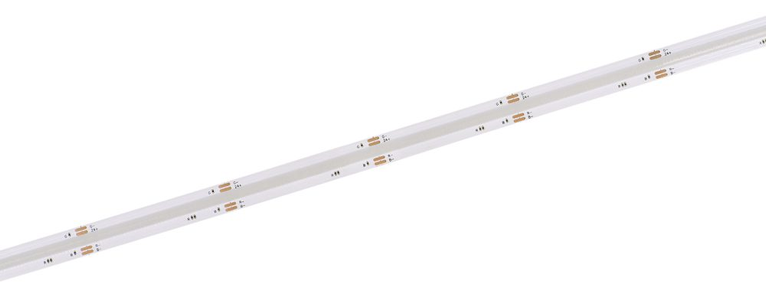
For custom LED strip light projects, cut lengths, mounting methods, wiring routes, and accessory compatibility should be confirmed early. A technically suitable strip can still create installation problems if connectors, drivers, or control components do not match the project configuration. Early coordination between lighting suppliers, designers, contractors, and furniture manufacturers can prevent costly changes on site.
Consider Controls and Operating Conditions
Commercial spaces often operate for long periods, making control strategies relevant to operating costs. LED systems can work with dimming, occupancy sensing, task tuning, and other control approaches. DOE identifies these options as potential ways to achieve additional energy savings when they suit the application.
Controls should therefore be selected according to how the space is actually used. Meeting rooms may need adjustable brightness, retail displays may require scheduled scenes, and low-traffic areas may benefit from occupancy-based operation. The control system should be compatible with the selected fixture and clearly documented in the project specification.
Quality Control Matters in Custom Production
Customization is valuable only when production remains consistent. Project buyers should ask how the supplier manages incoming materials, production parameters, electrical testing, appearance checks, and final inspection. Consistency becomes especially important when a project includes many lengths or repeated installations across multiple locations.
We apply testing and quality management throughout production to help maintain consistent custom LED strip light performance and safety. Our approach supports projects where lighting must meet defined requirements repeatedly rather than relying on a single successful sample. Clear quality expectations established before production also make acceptance checks more straightforward.
Evaluate the Supplier’s Support
Custom lighting involves more communication than purchasing an off-the-shelf product. Drawings, specifications, samples, revisions, production schedules, packaging, delivery, and after-sales questions may all affect the final result. A supplier’s ability to manage these details can be as important as the fixture itself.
We support customers throughout the cooperation process, following order requirements, production progress, delivery, and after-sales questions. Our product range includes customizable LED light strips for industrial, commercial, residential, and outdoor applications. Continuous product development also helps us respond to changing market needs and different customization requirements.
Balance Customization With Project Economics
Customization should solve a real project problem rather than add complexity without a clear benefit. Buyers should compare total project value, including material cost, installation labor, maintenance access, replacement requirements, and expected operating conditions. Energy performance can also affect long-term economics, particularly in buildings with extended lighting schedules.
For commercial procurement, custom light fixtures should therefore be assessed against both design requirements and measurable performance. DOE purchasing guidance recommends comparing efficiency among like products and considering light output, efficacy, quality, and application suitability rather than selecting solely by appearance or initial price.
Build a Clear Specification Before Ordering
A strong specification gives every party the same reference point. It should identify the application, dimensions, light output, CCT, color quality requirements, power arrangement, controls, installation conditions, testing expectations, and required accessories. For custom LED strip light orders, it should also clarify the customization scope and approval process before mass production.
At LEDIA Lighting, our role is to help turn those requirements into a workable lighting solution while maintaining communication through production and delivery. With custom light fixtures, successful commercial projects depend on more than visual design. Careful application analysis, reliable specifications, quality control, and responsive support can make customized lighting easier to procure, install, and manage over its service life.