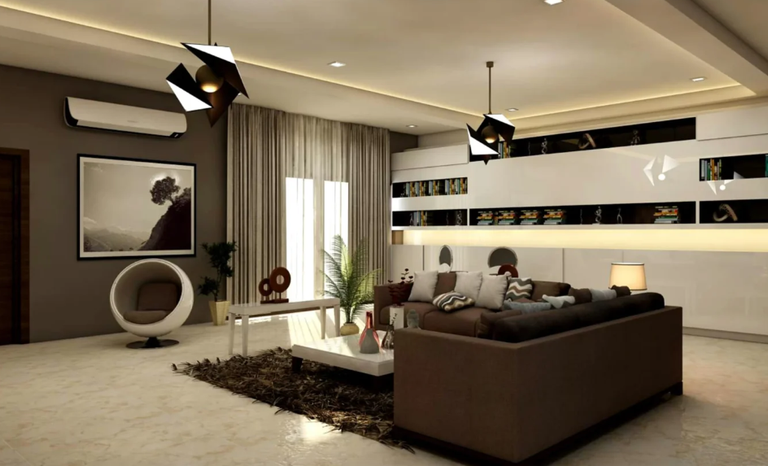
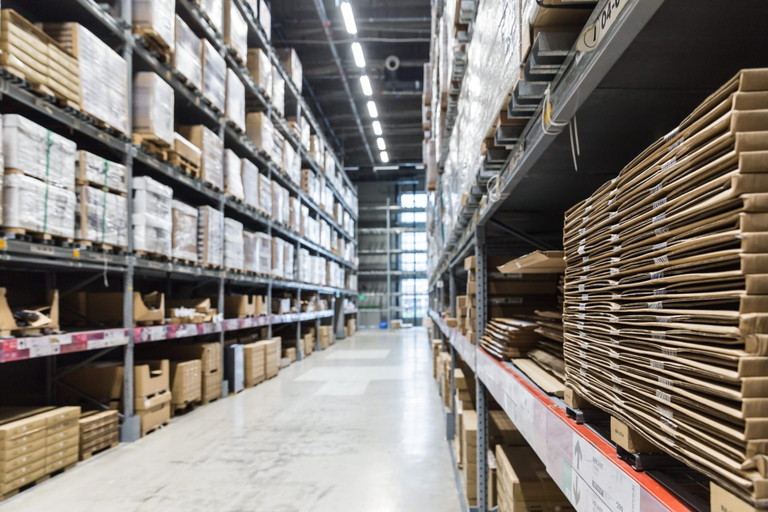
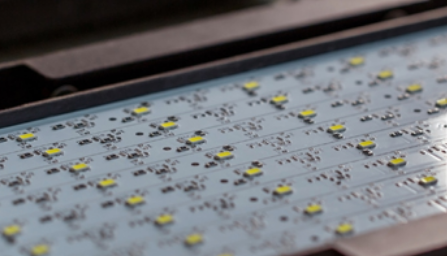
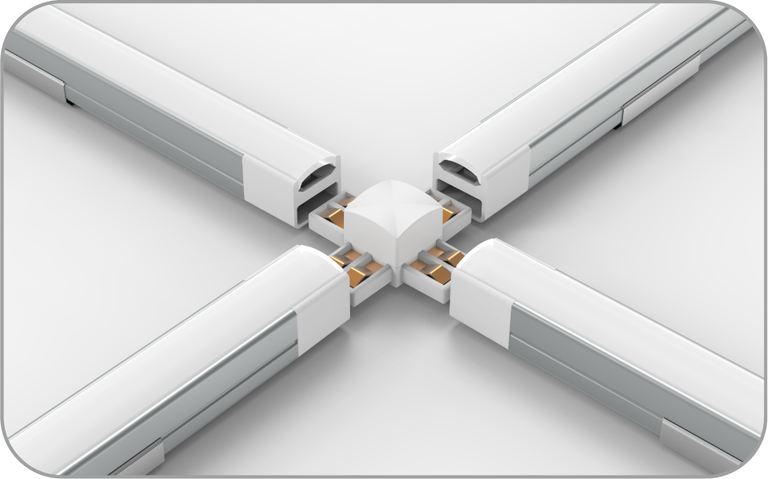
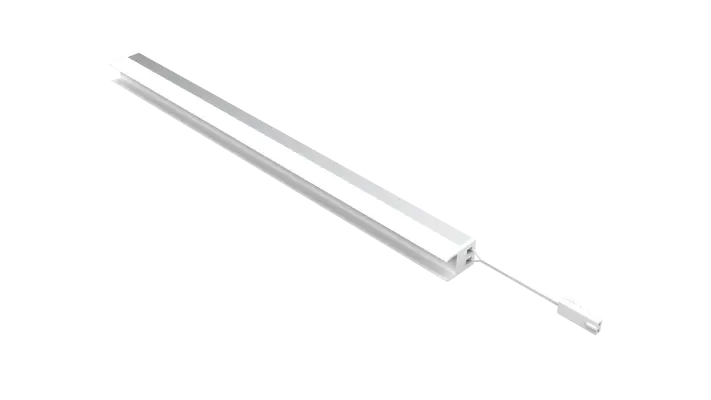
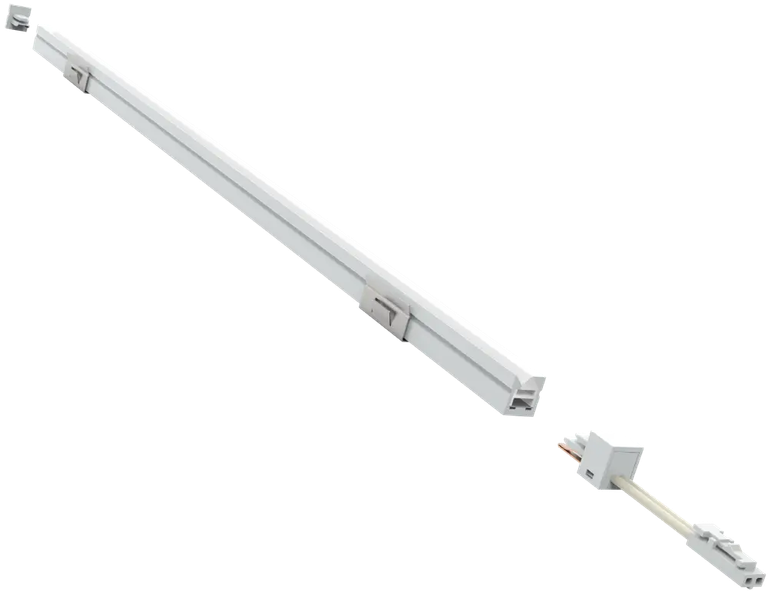
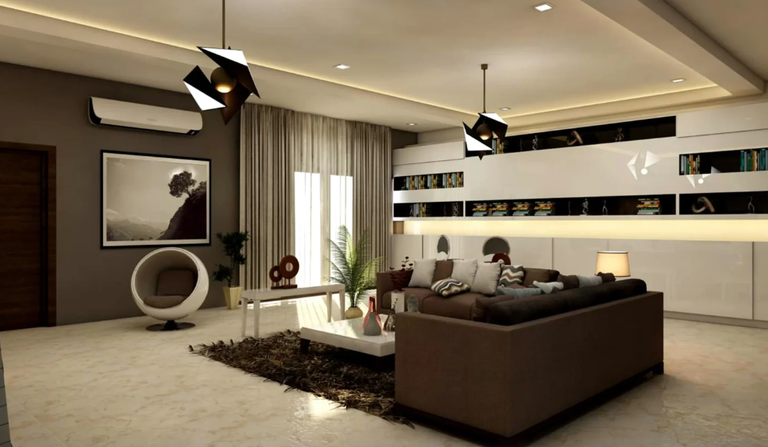
Modern lighting projects increasingly treat light as part of the architecture rather than simply a source of illumination. Linear formats are particularly useful because they can provide functional light while following ceilings, walls, furniture, and architectural details. For designers, contractors, and lighting distributors, understanding where a linear light fixture fits can help create cleaner layouts, simplify installation, and support different visual requirements across commercial and residential environments.
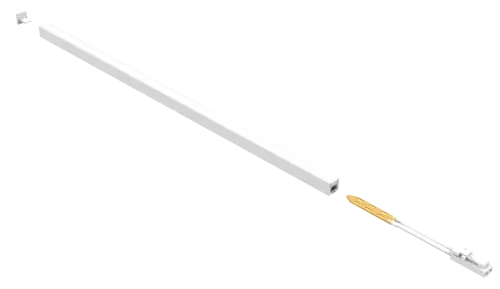
Linear Lighting for General Interior Illumination
The established application is general illumination in offices, retail spaces, hospitality environments, educational facilities, and other commercial interiors. Linear luminaires can be recessed, surface-mounted, or suspended, allowing designers to adapt the lighting arrangement to ceiling construction and room geometry.
The U.S. Department of Energy identifies indoor linear ambient luminaires as an established commercial lighting category. Its guidance also emphasizes evaluating efficiency, controls, maintenance, and product requirements when selecting commercial luminaires.
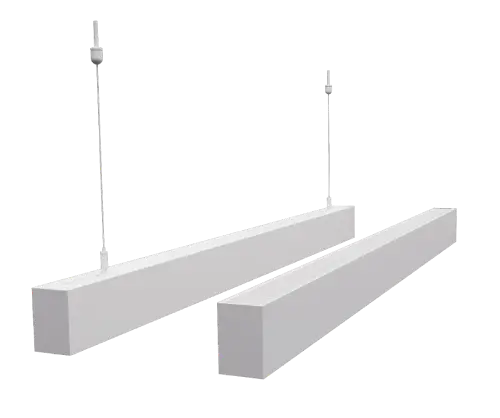
For open offices and similar spaces, long continuous forms can help establish an organized ceiling pattern. A suspended linear light fixture can provide both practical illumination and a strong visual element, particularly when the fixture is coordinated with furniture layouts, circulation routes, and architectural lines.
Use Linear Formats to Highlight Architecture
Linear lighting is not limited to overhead illumination. It can become part of the building itself when integrated into coves, wall slots, stairs, ceilings, or other architectural elements. The Illuminating Engineering Society describes architectural lighting as equipment built into architecture, including linear light slots and indirect coves.
This approach is useful when designers want the light source to remain visually discreet. Concealed linear systems can emphasize edges and forms without competing with the architecture. Recent IES project coverage also demonstrates how slim, concealed linear lights can highlight façades and architectural details while maintaining visual consistency.
Furniture and Cabinet Applications
Furniture creates another opportunity for linear illumination. Wardrobes, closets, kitchen cabinets, shelving, display units, and built-in storage often require compact lighting that can follow their dimensions without visually dominating the furniture.
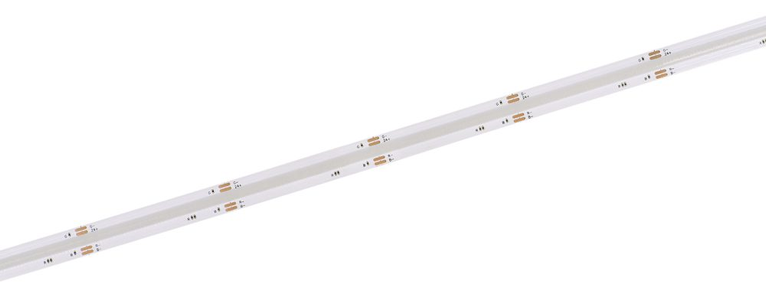
Our Built-in Silicone Light E13 was developed specifically for this type of application. The 12V/24V back-lit silicon strip uses a patented quick plug-in terminal, allowing a welding-free installation without aluminum profiles. Its double-color silicone extrusion produces an even neon-style light effect while providing an integrated appearance for built-in furniture.
A particularly useful feature is the ability to cut the strip at any length according to installation requirements. Supplied in whole rolls, the system can help reduce material waste and labor during furniture installation. The driver, controller, and terminal can also be combined with the strip according to different application requirements.
Decorative Statements with Linear LED Chandeliers
Linear technology can also move beyond concealed illumination into decorative lighting. A linear LED chandelier can combine the visual presence of a suspended fixture with the clean geometry associated with linear lighting. This makes it suitable for hotel lobbies, reception areas, dining spaces, conference rooms, and other locations where the ceiling fixture contributes to the interior identity.
IES project examples show how custom chandeliers can work alongside recessed linear lighting and other layers to create adaptable hospitality environments. Another IES case used linear channels within a custom chandelier to provide direct and indirect illumination while keeping the overall form visually streamlined.
For designers, the key is to determine whether the chandelier should primarily provide ambient illumination, create a decorative focal point, or perform both roles. That decision influences scale, placement, output, distribution, and control requirements.
Linear Lighting for Retail and Display Areas
Retail environments require lighting that supports both navigation and merchandise presentation. Linear sources can work under shelves, inside cabinets, along display walls, or across ceilings. Their elongated form can follow merchandise arrangements and create visual continuity between different zones.
For built-in furniture, our E13 silicone strip is particularly suited to wardrobes, closets, kitchen cabinets, and other integrated applications. The flexible configuration of strip, driver, controller, and terminal allows the lighting system to be adapted to individual furniture designs rather than forcing the furniture to accommodate a fixed luminaire.
Consider Installation and Maintenance Early
Selecting a lighting format should never be separated from installation planning. Designers and contractors should consider access, wiring routes, drivers, mounting methods, connection points, replacement procedures, and the conditions surrounding the installation.
This is especially important for projects containing many repeated lighting elements. DOE guidance for lighting projects recommends considering maintainability and field-replaceable components where practical, while using consistent source types can simplify future maintenance and replacement.
For linear light fixture specifications, project teams should therefore evaluate the complete installation rather than focusing only on appearance or nominal output. A technically suitable product still needs to work within the project’s construction sequence and maintenance strategy.
Selecting the Right Linear Solution
The appropriate linear solution depends on the role that lighting needs to perform. A suspended fixture may suit an open commercial ceiling, while a recessed system can reinforce architectural geometry. Flexible silicone lighting may be more appropriate for furniture, cabinetry, or continuous concealed details, while a linear LED chandelier can establish a decorative focal point.
We approach these applications from the same project-oriented perspective. Our manufacturing capabilities cover LED strip lighting and dedicated luminaire production, allowing us to support different requirements from integrated furniture lighting to customized linear lighting projects. Our E13 solution adds a particularly practical option where flexible dimensions and simplified installation are priorities.
Bringing Linear Lighting into the Project Plan
Modern lighting design increasingly depends on choosing the right form for the right architectural situation. Linear systems can illuminate work areas, define circulation, emphasize architectural details, integrate with furniture, or become decorative features themselves. Their value comes from how effectively the format supports the intended function and visual language.
For project teams, early coordination between design, installation, controls, and manufacturing can make these systems easier to specify and execute. Whether the requirement is a linear light fixture for commercial illumination, integrated furniture lighting, or a linear LED chandelier for a prominent interior space, we at LEDIA Lighting can work from the project’s practical requirements to develop a suitable linear lighting approach.