Lighting requirements change significantly from one project to another, but flexibility remains a priority across retail, hospitality, commercial, and residential environments. LED linear lighting can address this need by providing continuous illumination in compact, architectural, or task-oriented spaces. For project planners, distributors, contractors, and lighting specifiers, understanding where different linear formats work best makes it easier to balance appearance, performance, installation, and long-term reliability.

Retail Applications That Combine Visibility and Design
Retail environments often require lighting that supports both merchandise presentation and the overall character of a store. Linear lighting can be integrated into display shelving, cabinets, counters, wall features, and ceiling details to create consistent illumination without relying entirely on conventional point sources.
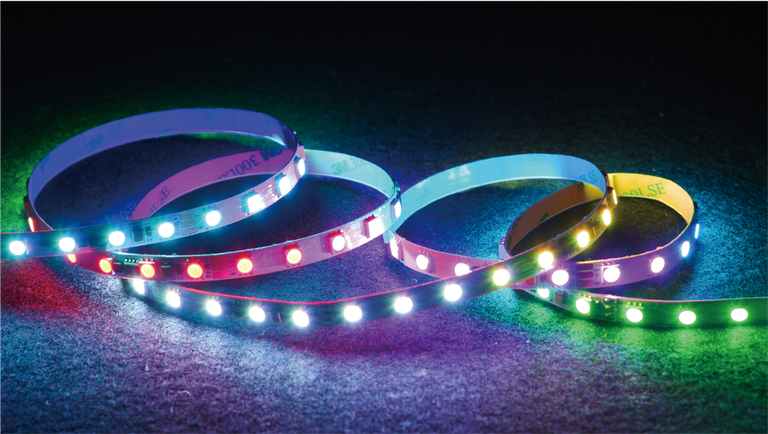
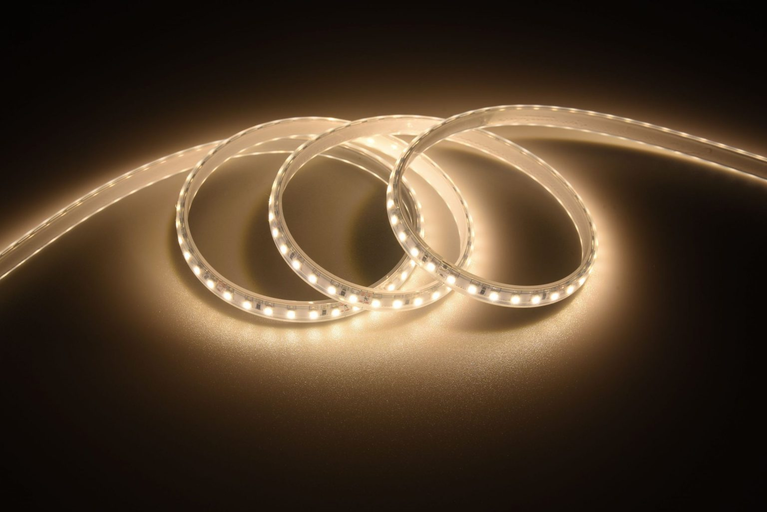
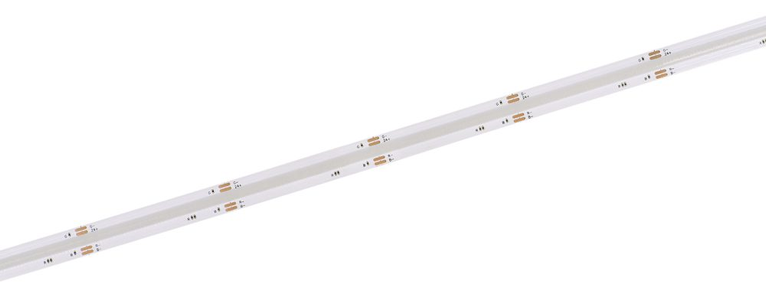
LED linear lighting strips are particularly useful where a continuous visual line is preferred. They can be incorporated into shelving and display structures to illuminate products more evenly, while concealed installations can add depth to architectural elements. Color temperature and color-rendering performance should also be considered carefully when merchandise appearance is important.
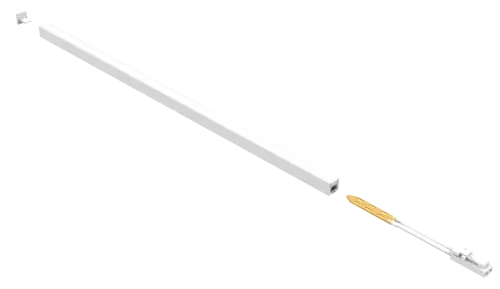
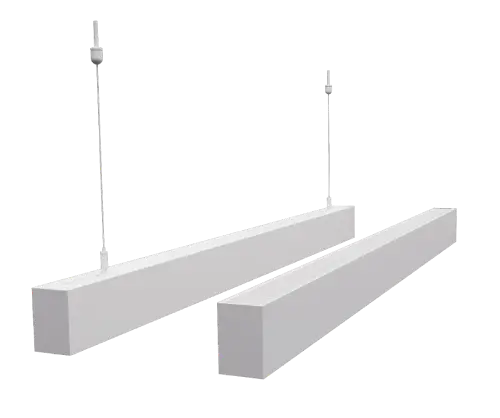
For larger retail projects, linear luminaires can complement general lighting systems rather than replacing them entirely. The U.S. Department of Energy identifies linear lighting among established commercial applications, including troffers, pendants, undercabinet systems, and other linear fixtures.
Hospitality and Commercial Spaces
Restaurants, hotels, offices, showrooms, and public facilities create another broad application category. Here, lighting frequently needs to perform multiple functions: providing practical illumination while contributing to the atmosphere and visual identity of the space.
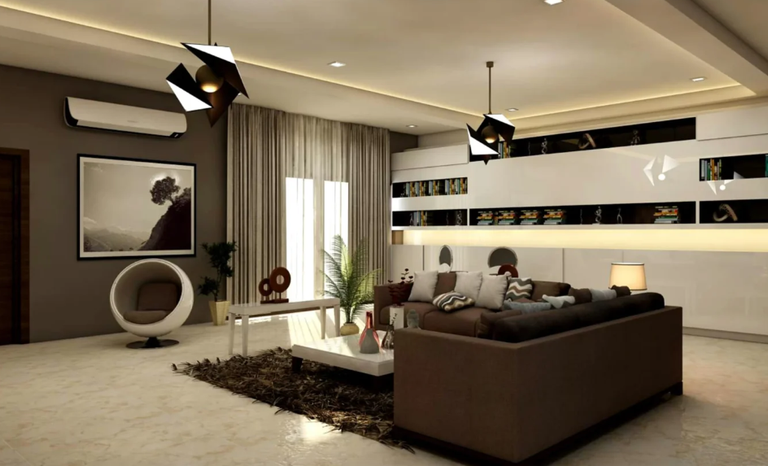
Cove lighting, reception counters, corridors, architectural recesses, and ceiling features can all benefit from linear formats. For hospitality projects, dimming or color-tunable options may also be relevant when different lighting scenes are required. The Department of Energy notes that adjustable LED lighting can be useful in settings such as restaurants, hotel lobbies, guestrooms, theaters, and other spaces where lighting atmosphere matters.
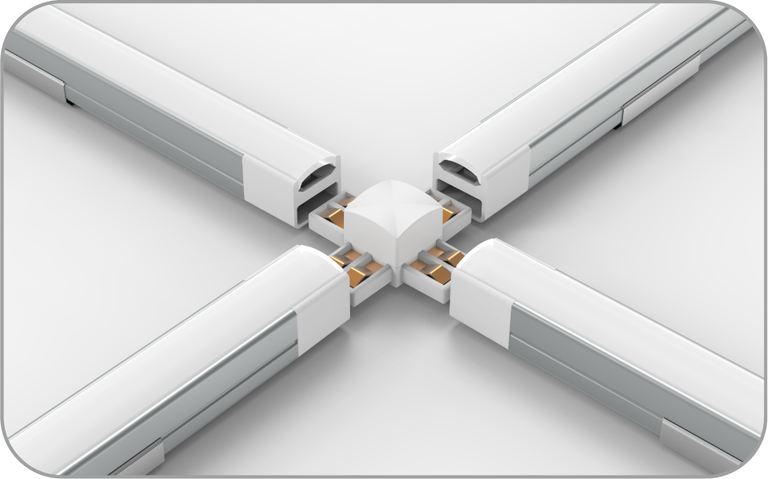
As a manufacturer, we support this project-oriented approach with strip lights, silicone products, cabinet lighting, and linear fixtures. Our production system includes more than 20 LED strip production lines with an approximate capacity of 1.5 million meters per month, while a dedicated luminaire line can produce up to 10,000 pieces monthly.
Residential Lighting Beyond Basic Illumination
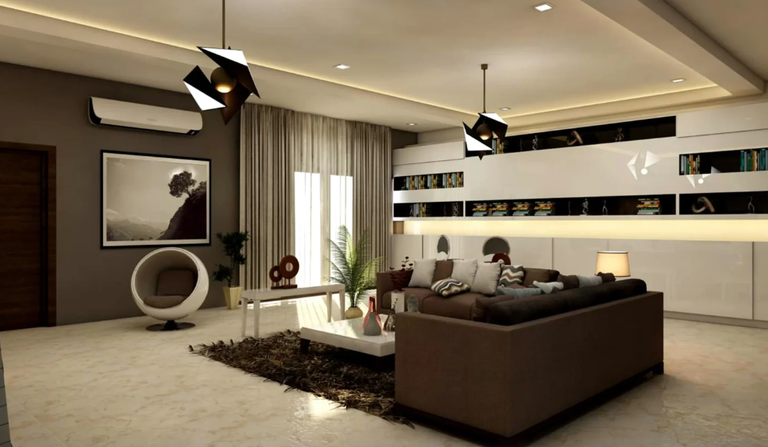
Residential applications have expanded well beyond ceiling fixtures and table lamps. Kitchens, living rooms, bedrooms, wardrobes, entertainment units, stairs, and furniture can all incorporate linear lighting for task, accent, or ambient purposes.
LED strip lights company capabilities become particularly relevant when residential projects require different lengths, installation methods, profiles, or finishes. Under-cabinet lighting can support countertop tasks, while concealed strips around ceilings or furniture can create indirect illumination. The Department of Energy has also identified under-cabinet, cove, accent, and step lighting as practical LED applications in residential environments.
For residential projects, glare control and color quality deserve attention. A higher CRI may be preferable where accurate color appearance matters, while dimming can help adapt lighting levels to different activities. Product selection should therefore consider more than wattage alone.
Furniture, Cabinets, and Architectural Details
Linear lighting is especially effective when the light source needs to disappear into the structure. Furniture manufacturers and interior contractors can integrate lighting into wardrobes, bookshelves, display cabinets, kitchen units, and decorative panels.
Our product portfolio includes flexible strip solutions, COB strip products, silicone strip lights, and cabinet lighting designed for different installation requirements. We also provide customized lighting solutions, allowing project partners to develop products around particular dimensions, installation conditions, and design objectives.
This flexibility makes LED linear lighting strips useful for both standardized product lines and customized furniture programs. Instead of treating lighting as an afterthought, manufacturers can consider it during furniture design and coordinate channels, profiles, wiring, and controls from the beginning.
What Business Buyers Should Evaluate
For distributors and project buyers, product consistency is as important as appearance. Electrical specifications, thermal management, protection levels, control compatibility, color consistency, certifications, and installation requirements should all be reviewed before purchasing.
Working with an experienced LED strip lights company can also simplify sourcing when a project includes multiple lighting formats. A supplier with established manufacturing and testing capabilities can help reduce the complexity of coordinating different products across one project or product range.
We operate our own testing and quality-control systems covering product safety, performance, and electromagnetic characteristics. Our certification framework includes ISO 9001, ISO 14001, CQC, SGS, UL, CE, CB, SAA, NSF, and ETL, alongside requirements including RoHS, REACH, GB, IEC, ERP, and ANSI. We are also recognized as a Key High-tech Enterprise of the National Torch Plan.
Choosing the Right Linear Solution for Each Project
The best linear lighting solution depends on the environment rather than simply the product category. Retail displays may prioritize visual consistency and merchandise presentation. Hospitality projects may emphasize atmosphere and controllability. Residential installations often require compact dimensions, discreet integration, and comfortable light levels.
For business buyers, evaluating the entire application helps determine whether a flexible strip, silicone solution, cabinet light, or complete linear fixture is the better choice. We combine manufacturing capacity, testing capabilities, customization support, and multiple product formats to serve projects across these different environments.
Building a More Flexible Lighting Portfolio
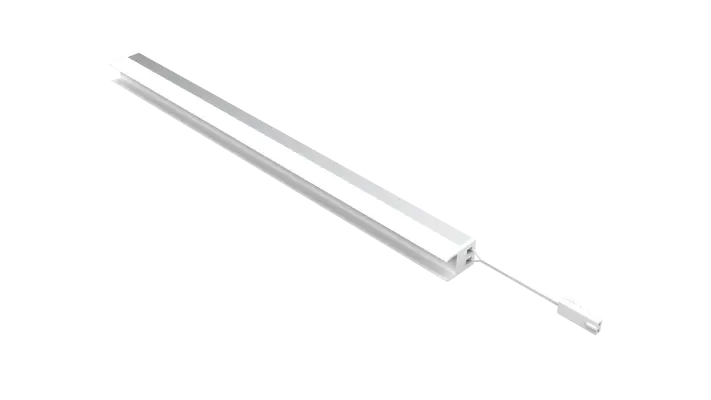
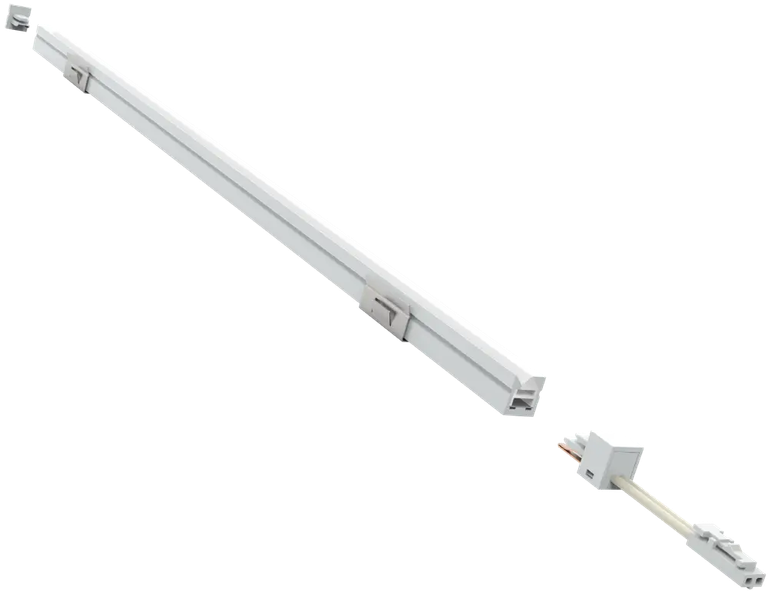
From retail shelving and hotel interiors to kitchen cabinets and residential furniture, linear lighting has become a versatile component of modern lighting design. LED linear lighting strips can provide discreet accent and task illumination, while complete linear fixtures can address broader commercial requirements.
For distributors, contractors, furniture manufacturers, and project specifiers, partnering with an experienced LED strip lights company can make product selection and customization more manageable. With our focus on manufacturing, certification, testing, and tailored solutions, we provide LEDIA Lighting products for commercial and residential projects where flexible linear illumination is essential.