Commercial lighting projects often require more than a standard linear fixture can provide. Designers and contractors may need a light source that follows curves, fits narrow spaces, withstands moisture, or creates a continuous decorative effect. As an experienced LED strip supplier, we approach these requirements by matching construction, LED type, protection, flexibility, and installation dimensions to the application. Our silicone-based strip range provides options for both practical illumination and architectural decoration.
Why SMD LED Strip Lights Remain Versatile
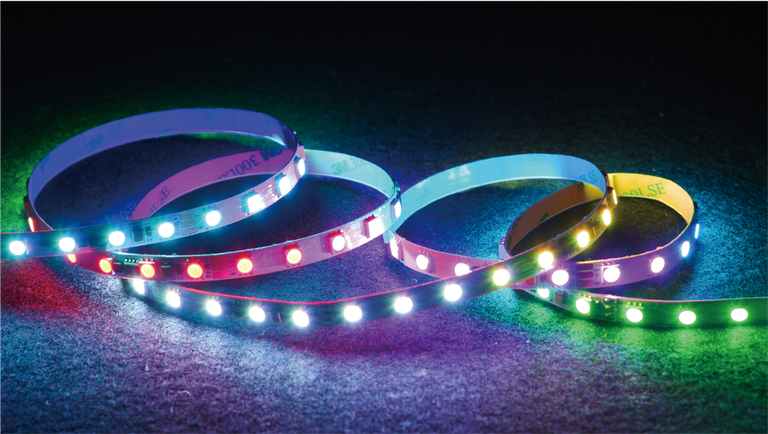
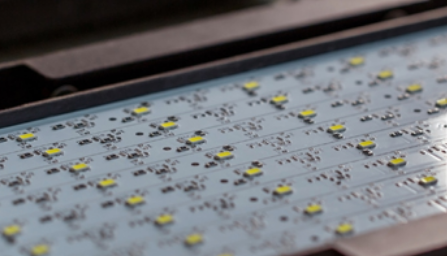
SMD technology remains a practical choice for flexible strip lighting because surface-mounted LEDs can be arranged at consistent intervals along a narrow PCB. This format supports applications where designers need a compact light source that can follow furniture, signage, architectural details, or concealed profiles.
Our LD-FR-SJT-24V-XXX-180-11.5*4.5 (Hollow Arc) combines 2835 SMD chips with a density of 120 LEDs per meter to provide consistent linear illumination in a compact strip format. With a listed output of 1000 lm/m and rated power options of 7W, 9W, 10W, and 12W per meter, it offers flexibility for projects with different lighting and power requirements. Available color temperatures of 2700K, 3000K, 4000K, and 6500K support a range of applications, from warm, welcoming interiors to cooler-toned task or display lighting. CRI 80 and CRI 90 options further help project teams balance color-rendering requirements and budget considerations, making the strip suitable for varied commercial and architectural lighting designs.
For procurement teams, these choices make it easier to align the strip with different project requirements rather than treating every installation in the same way. Color temperature can influence the atmosphere of a retail or hospitality space, while CRI selection becomes particularly relevant where the appearance of merchandise, materials, or finishes matters.
Silicone LED Strip Light for Curved and Decorative Installations
Material construction is another important consideration when selecting a silicone LED strip light. Silicone provides flexibility for installations that involve curves or changes in direction, while an extruded structure can provide a consistent external form. This can be useful for architectural outlines, signage, decorative features, and other applications where rigid fixtures are difficult to position.
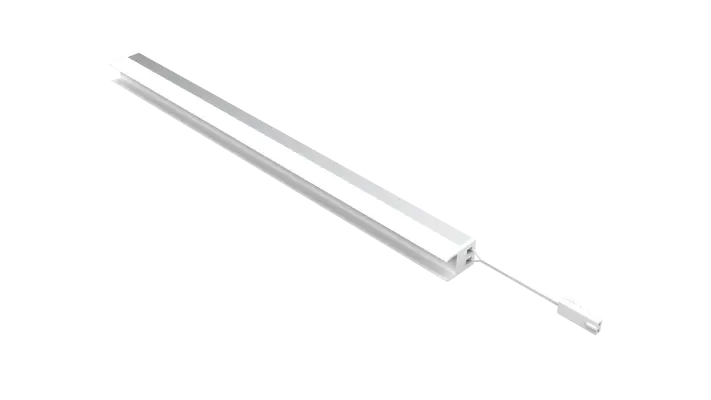
The LD-FR-SJT model features a silicone structure with a hollow arc design and a flat lighting surface with a wide beam angle. The product page also specifies that the strip can be cut every six LEDs, with a minimum cutting length of 50mm. This gives installers greater control when adapting the strip to project dimensions.
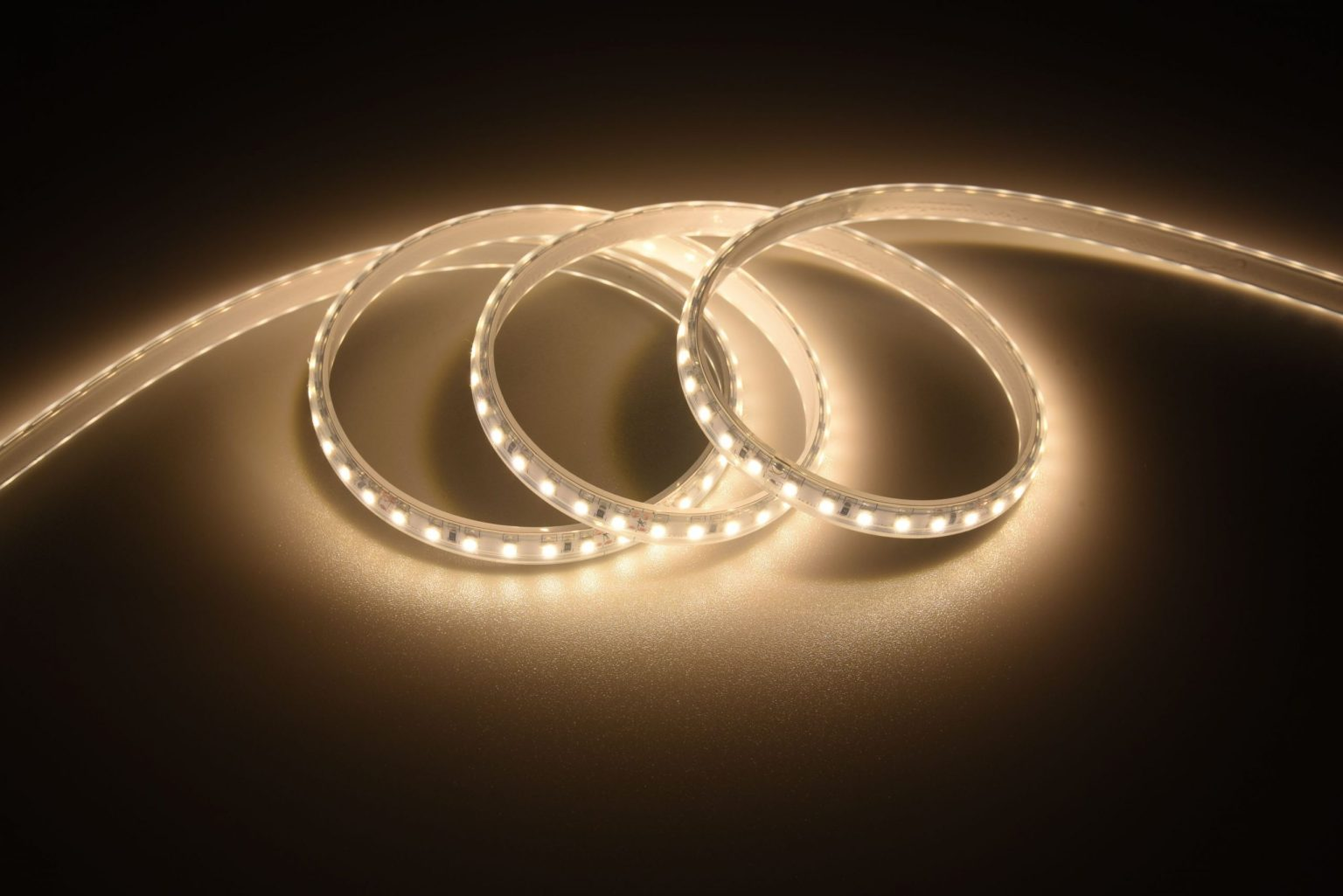
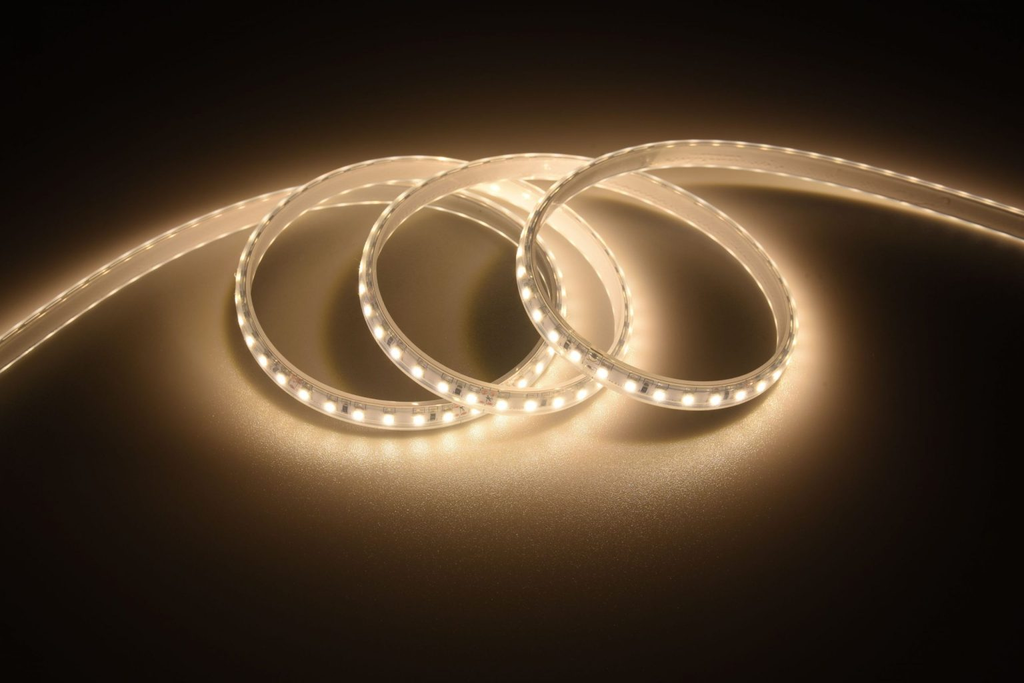
The product is also designed as a neon flex LED strip, combining a smooth crystal-like light body with a flexible format. For designers developing illuminated contours or decorative lines, this construction can help create a more integrated appearance instead of relying on multiple rigid luminaires.
Protection Matters for Outdoor and Wet Locations
A flexible strip intended for demanding environments needs more than an attractive appearance. Moisture, ultraviolet exposure, temperature changes, and installation conditions should all be considered during specification. An appropriate IP rating is therefore an important part of the purchasing decision for outdoor and wet-area projects.
Our featured silicone LED strip light carries an IP67 rating and supports a working temperature range of -40°C to 45°C. The specified storage temperature is -40°C to 60°C. The product page also states anti-UV performance of up to five years and identifies applications such as swimming pools, sauna rooms, shower rooms, advertising light boxes, and building outlines.
For commercial buyers, these specifications provide useful parameters for preliminary product selection. However, the complete installation still needs appropriate power supplies, connections, mounting methods, and protection details. A strip should always be evaluated as part of the lighting system rather than as an isolated component.
LED Silicone Light Strip Options for Different Projects
A professional LED silicone light strip can support several categories of commercial and architectural work. Retail displays may use flexible strips to highlight shelves or product areas, while hotels and restaurants can integrate them into decorative architectural elements. Signage manufacturers may also benefit from flexible dimensions when illuminated shapes require tighter bends.
Our model supports DC12V and DC24V operation, with a 10mm PCB size and a continuous length specification of up to 10m. It is available in a transparent type, with listed colors including green, red, blue, and white. The product weighs 46g per meter and has a stated LED spacing of 0.85cm.
These specifications are particularly relevant for business buyers preparing bills of materials. Voltage, continuous length, cutting interval, and power per meter should be reviewed before quantities are finalized. Matching these parameters to the project’s electrical design can help contractors plan installation more accurately and reduce avoidable adjustments during deployment.
Selecting an LED Strip Supplier for Project Requirements
Product specifications are only one part of supplier evaluation. Commercial buyers also need to consider manufacturing capacity, customization support, quality consistency, certifications, delivery capability, and the supplier’s experience with different lighting applications. These factors can become especially important when a project involves multiple installation environments or recurring orders.
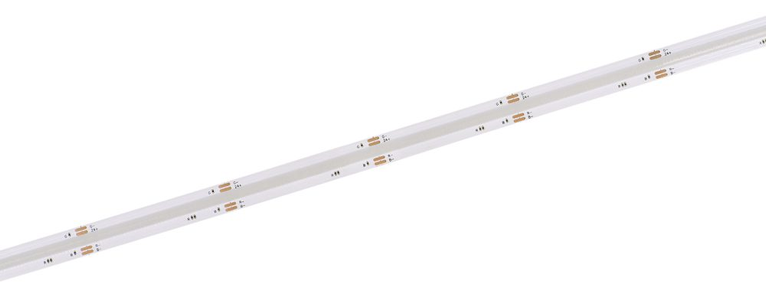
We support standard and customized lighting requirements as part of our work as an LED strip supplier. Our product portfolio includes silicone strip lights alongside COB strip series and other linear lighting products. The featured model is certified with RoHS and CE, while our production capabilities support projects requiring flexible lighting formats for indoor and outdoor applications.
For buyers comparing an LED silicone light strip with conventional coated strips, the intended environment and installation geometry should guide the decision. Silicone construction, flexible bending, IP67 protection, and a 50mm minimum cutting length can be valuable where adaptability is more important than using a conventional rigid fixture.
Building a Practical Strip Lighting Specification
The effective sourcing process starts with application requirements. We recommend defining the installation environment, required voltage, color temperature, CRI, brightness, cutting interval, protection level, maximum continuous length, and physical dimensions before requesting quotations. These details give suppliers a clearer technical brief and make product comparisons more meaningful.
As an LED strip supplier, we focus on providing specifications that allow project teams to make informed choices. Our silicone LED strip light combines SMD 2835 technology, flexible silicone construction, IP67 protection, and multiple electrical and color options. For projects requiring adaptable decorative or architectural illumination, this type of product can offer a practical balance between flexibility and specification control.
A Flexible Approach to Commercial Strip Lighting
SMD strip lighting can serve a wide range of professional applications when its specifications are selected around the actual installation. Silicone construction expands that flexibility further by supporting curved layouts and demanding environments, while defined cutting intervals help installers adapt the product to project dimensions.
At LEDIA Lighting, we provide LED silicone light strip options for buyers seeking dependable flexible lighting for commercial, architectural, decorative, and outdoor applications. By combining detailed product specifications with application-focused selection, we help project partners choose a suitable strip configuration rather than simply selecting a product based on appearance or price.