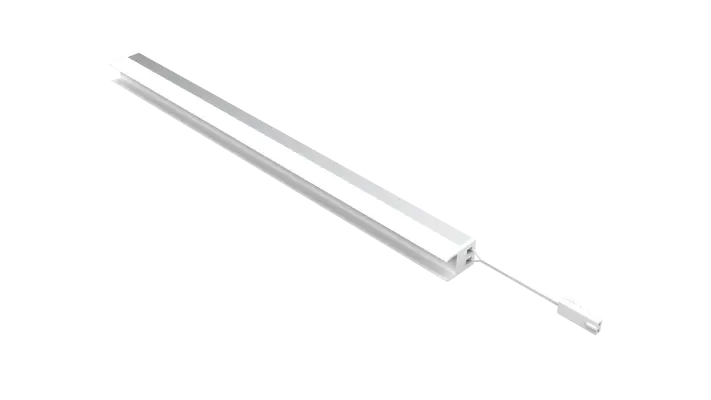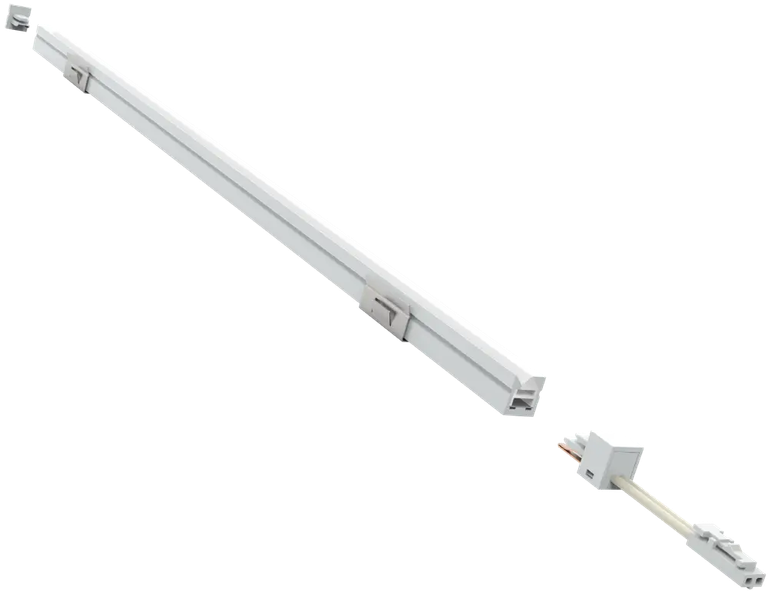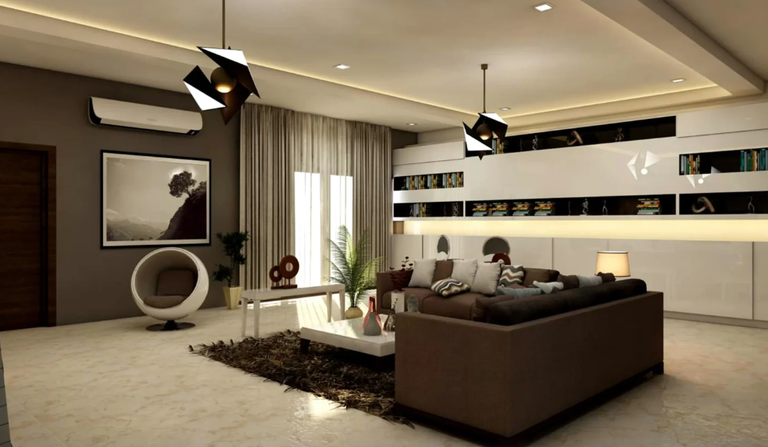
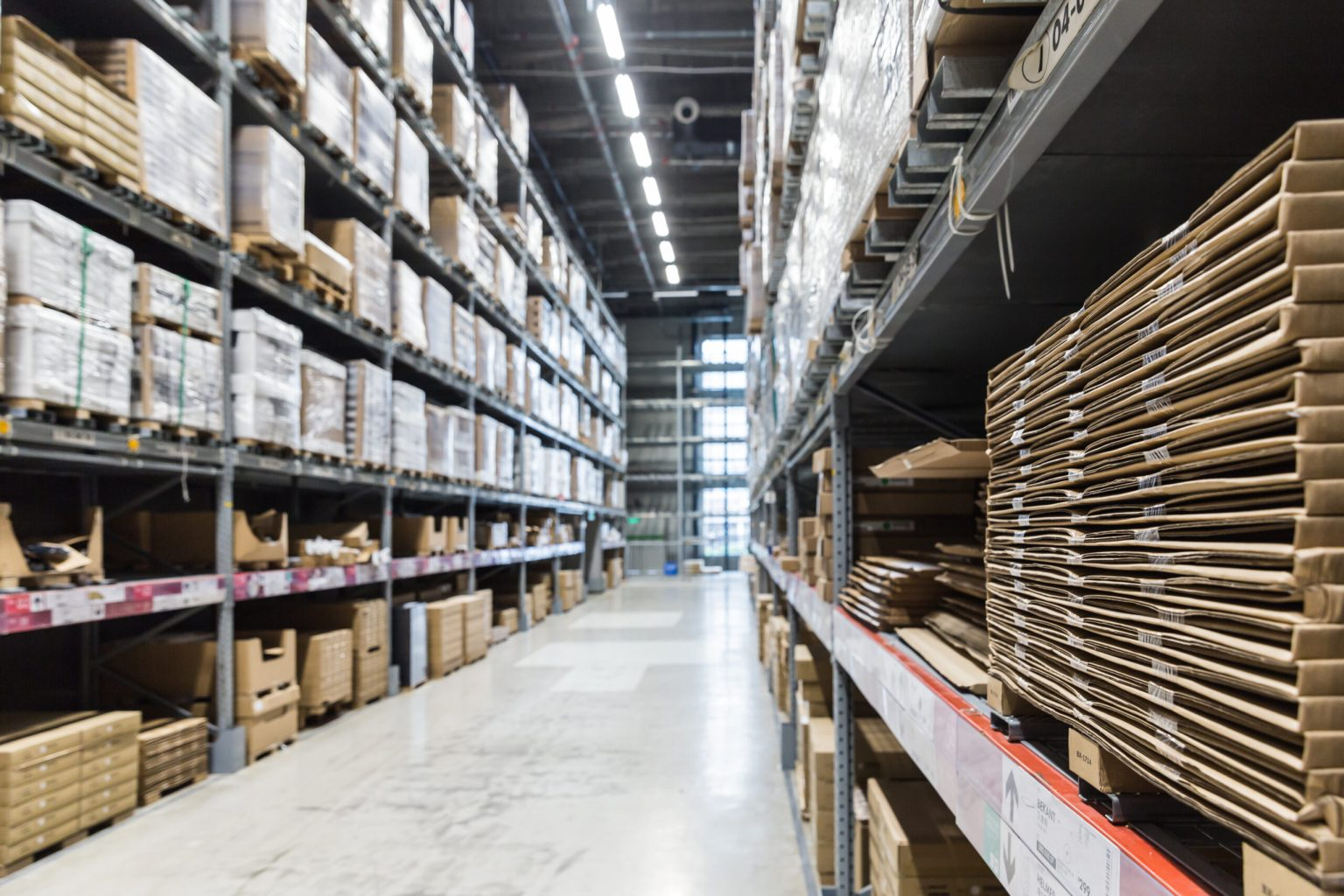
A successful façade lighting scheme begins long before fixtures are selected. Architects, lighting designers, contractors, and owners need to define what the building should communicate at night, which surfaces deserve emphasis, and how the system will be operated and maintained. For teams planning LED strip light projects, these decisions establish the foundation for a solution that supports architectural intent rather than simply adding brightness.
Define the Architectural Story Before Choosing Fixtures
The first step is to study the façade itself. Stone, concrete, glass, metal, brick, reveals, columns, and recesses respond differently to light. A textured wall may benefit from grazing that brings out surface depth, while a broad, relatively smooth elevation may need a more even wash.
The design should also identify focal points. Entrances, rooflines, structural frames, signage, canopies, and distinctive architectural details can create a visual hierarchy. The Illuminating Engineering Society documents façade projects where layered grazing and washing techniques reveal architectural forms instead of treating the entire elevation uniformly.
Plan the Light Distribution, Not Just the Light Source
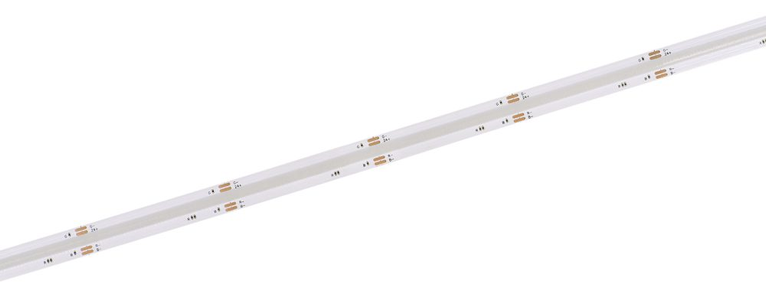
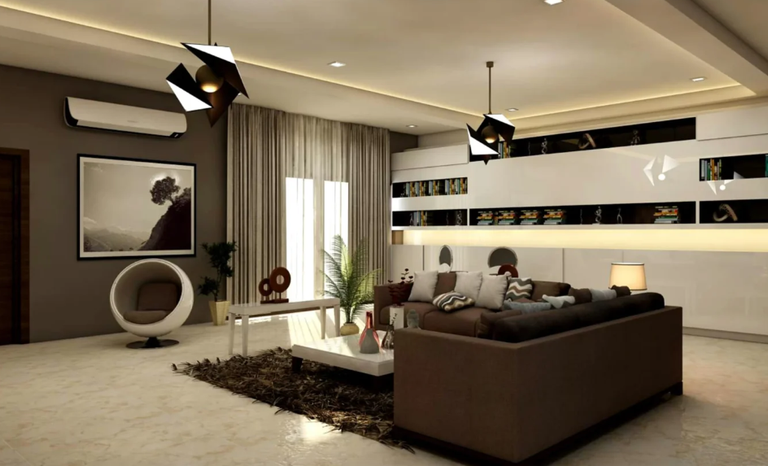
For façade applications, fixture position and optical distribution can be as important as the LED source itself. Grazing places the light close to a surface to emphasize texture, while washing distributes light more broadly. Linear lighting can also trace architectural lines, creating continuity around edges, reveals, or concealed coves.
Mock-ups are especially valuable when the façade has complex geometry or reflective materials. IES case studies show that on-site testing and adjustment can be critical when fixture selection, mounting positions, and surface conditions interact. This is why LED strip light projects should include installation details early rather than leaving them to the construction stage.
Consider Outdoor Conditions and Maintenance
Exterior lighting must be selected for the actual environment, not only the desired appearance. Project teams should evaluate exposure to rain, moisture, dust, temperature changes, physical impact, and cleaning requirements. The enclosure, connectors, power supplies, mounting method, and cable routing all contribute to long-term system performance.
Accessibility deserves equal attention. A concealed strip may create a clean architectural result, but technicians still need a practical route to drivers, connections, and serviceable components. A well-designed façade system therefore balances visual concealment with maintenance access.
Build Energy and Controls Into the Specification
Energy performance should be considered during design rather than after installation. The U.S. Department of Energy notes that LED exterior lighting can provide controllability and that advanced controls can further reduce energy and operating costs. Exterior lighting guidance also emphasizes defining control requirements, zoning, system architecture, and commissioning as part of the project process.
For a commercial façade, designers can consider scheduled operation, dimming, scene setting, and other appropriate control strategies. The objective is not simply to make the building brighter, but to provide the required visual effect when it is needed while limiting unnecessary operation.
Evaluate the Best LED Strip Manufacturers Beyond the Product Catalog
Choosing among the best LED strip manufacturers requires more than comparing LED density, color temperature, or price. Commercial buyers should examine manufacturing consistency, quality-control procedures, customization capabilities, production capacity, lead times, and technical communication. These factors become especially important when a project requires repeated lengths, specific processing, or coordinated delivery.
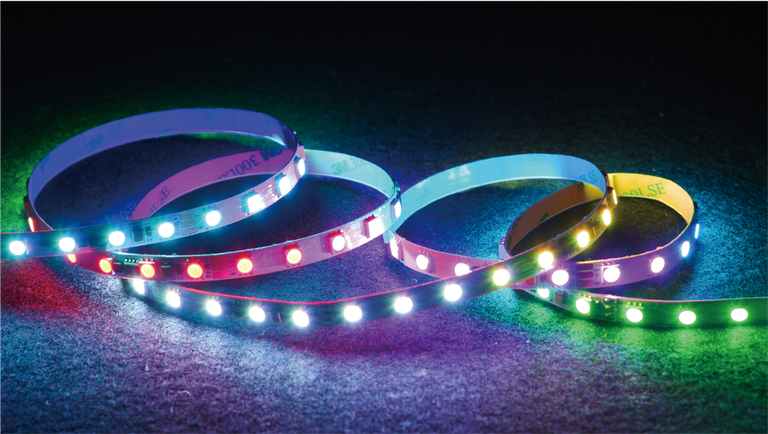
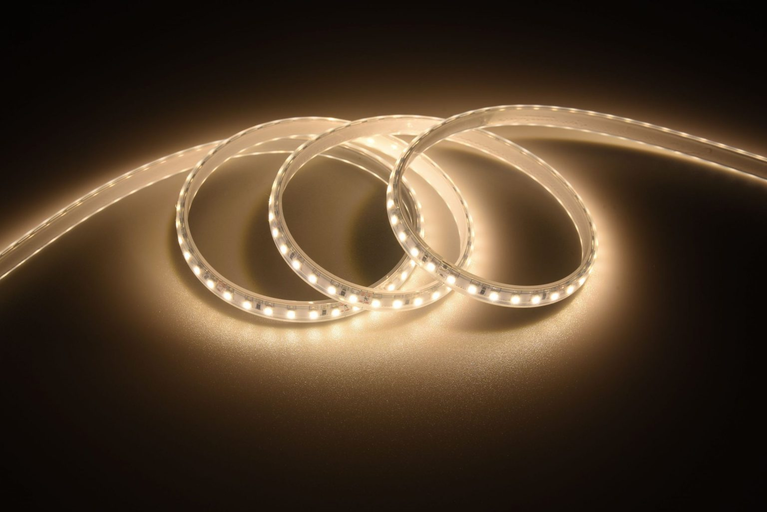
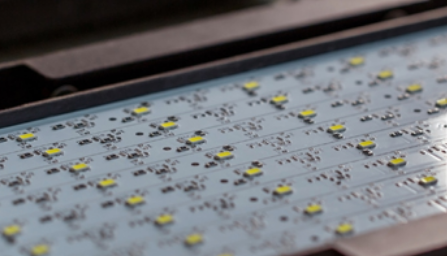
We approach manufacturing with this project perspective. Our automated production equipment includes high-speed SMT, automatic welding, and waterproof processing systems. More than 20 production lines cover our LED strip manufacturing process, with a production capacity of approximately 1.5 million meters of LED strip lights per month.
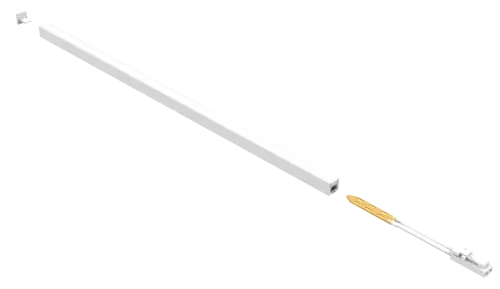
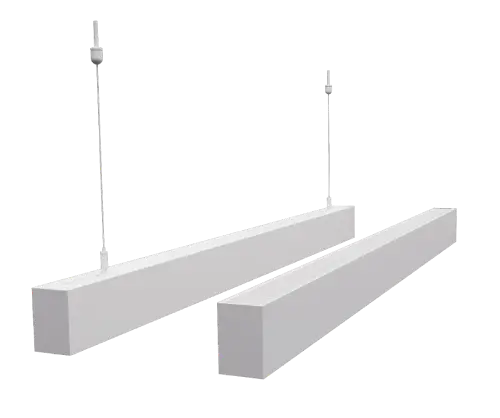
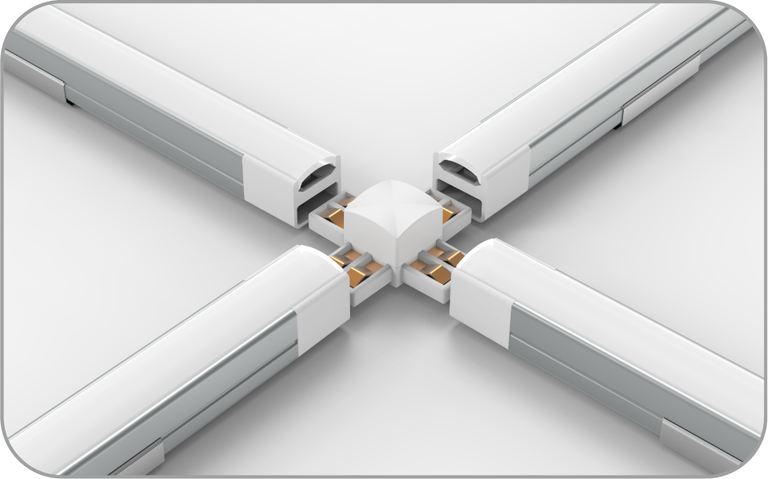
For larger architectural programs, manufacturing scale can also affect procurement planning. We operate dedicated luminaire production lines with a monthly capacity of up to 10,000 pieces. This allows us to support standard production while also accommodating customized linear lighting projects where dimensions, configurations, or installation requirements differ from standard products.
Create a Complete Project Specification
Before requesting quotations, project teams should prepare a clear specification covering application, mounting location, required light distribution, dimensions, color requirements, control method, environmental conditions, power arrangement, and installation constraints. Clear documentation reduces interpretation gaps between designers, suppliers, contractors, and installers.
It is also useful to define testing and approval requirements. Samples or mock-ups can confirm appearance before large-scale production, while documented quality checks help ensure delivered components match the approved solution. For LED strip light projects, consistency across long runs is particularly important because visible variation can undermine an otherwise carefully designed façade.
From Concept to Reliable Façade Execution
Architectural façade lighting works best when design intent, technical requirements, manufacturing, installation, and controls are considered as one connected process. Teams that evaluate surfaces first, define lighting effects, plan maintenance, and establish measurable specifications are better positioned to avoid costly changes during installation.
For buyers comparing the best LED strip manufacturers, manufacturing capability should therefore be considered alongside product characteristics. At LEDIA Lighting, we combine automated LED strip production with dedicated linear luminaire capacity to support both standard requirements and customized projects. With a project-oriented approach, LED strip light projects can move from architectural concept to a coordinated, buildable lighting system.