Flexible, compact, and adaptable, LED strip lighting has become a practical option for both decorative and functional illumination. For commercial projects, its narrow form allows lighting to be integrated into cabinetry, displays, ceilings, furniture, and architectural details where conventional fixtures may be difficult to accommodate. As an LED strip supplier, we see the technology increasingly specified not simply as decorative lighting, but as a flexible tool for creating continuous illumination in residential and commercial environments.
What Is LED Strip Lighting?
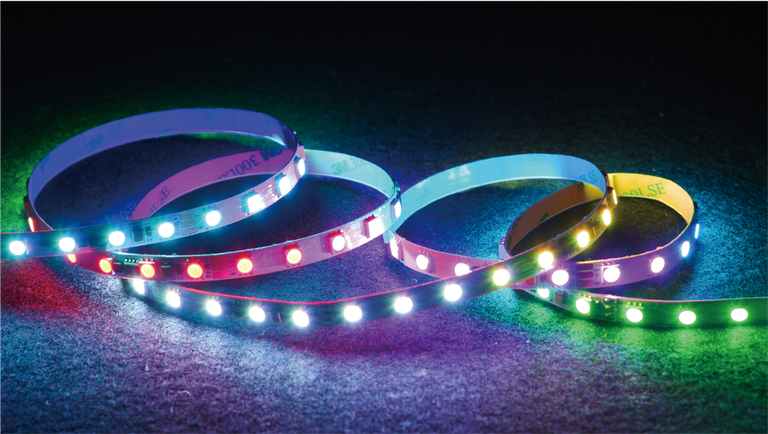
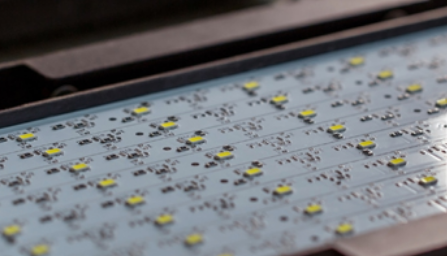
An LED strip light typically consists of multiple LED emitters mounted on a narrow flexible circuit board. Most products operate from low-voltage DC power and can be supplied in different lengths, output levels, colors, and configurations. Depending on the product, strips can be cut at designated points and connected to a suitable power supply and accessories.
The term SMD LED strip light commonly refers to strip products using surface-mounted LED packages. Package types can differ in size and performance, so buyers should look beyond the package designation and evaluate factors such as LED density, power consumption, lumen output, color quality, and application requirements. These specifications have a direct influence on the resulting lighting performance.
Why LED Strips Work Across Different Applications
One major advantage of strip lighting is its ability to fit spaces where rigid luminaires cannot. Flexible circuit boards can follow straight or curved surfaces, making them useful for concealed lighting, edge illumination, accent lighting, and integrated installations. This versatility has helped make strip lighting relevant to both everyday interiors and professional commercial projects.
For an LED strip supplier, application requirements should determine the product specification. A decorative shelf may prioritize a slim profile and attractive light quality, while a retail display may require higher color fidelity. The Department of Energy notes that CRI describes how well a light source renders object colors, with CRI 90 or higher generally indicating excellent color fidelity.
Everyday Residential Uses
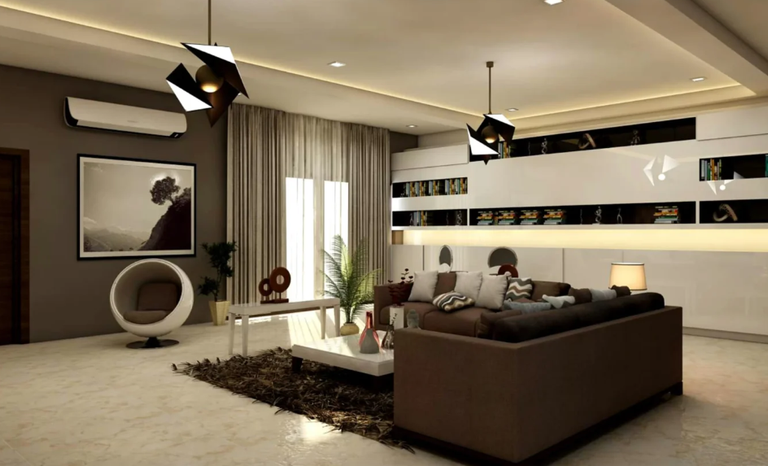
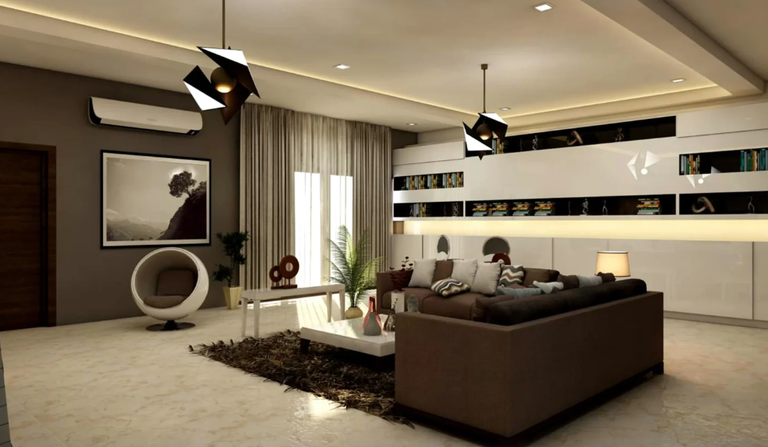
At home, LED strips can provide illumination beneath kitchen cabinets, inside wardrobes, around shelving, along stairs, or behind furniture. These installations can supplement general lighting while creating localized illumination where it is needed. Their small profile also allows designers and installers to conceal the light source and emphasize the illuminated surface rather than the fixture itself.
Residential projects can use an SMD LED strip light for both practical and decorative purposes, but the selection should still consider the installation environment. Power requirements, operating voltage, brightness, color temperature, and the appropriate protection rating should be established before installation rather than selected solely according to appearance.
Commercial and Retail Applications
Commercial spaces offer even broader opportunities. Retail displays can use linear strip lighting to highlight merchandise, while offices may integrate it into furniture, reception areas, shelving, or architectural details. Hospitality interiors can similarly use concealed strips to establish visual layers without introducing bulky fixtures into carefully designed spaces.
For retail and display projects, consistent illumination and color rendering are especially important. A high-quality SMD LED strip light with an appropriate CRI can help products and finishes appear closer to their intended colors. At the same time, designers should evaluate brightness according to the actual application rather than relying only on wattage. Lumens are a more useful measure of light output than power consumption alone.
Introducing Our COB Single Color Series
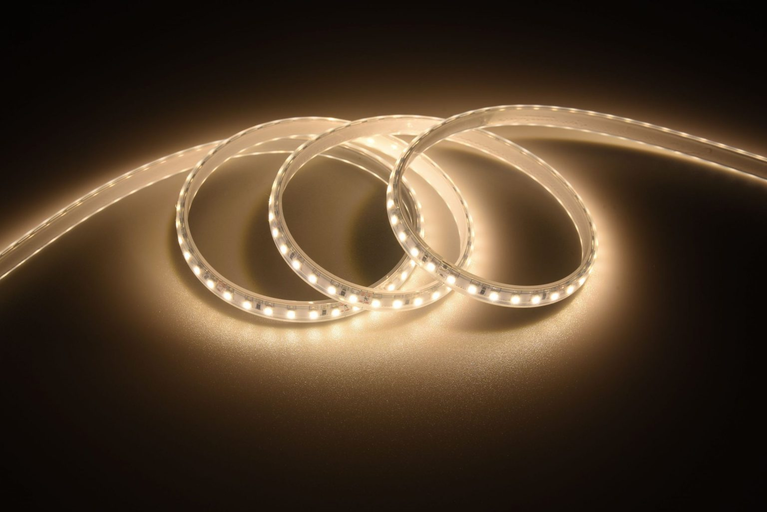
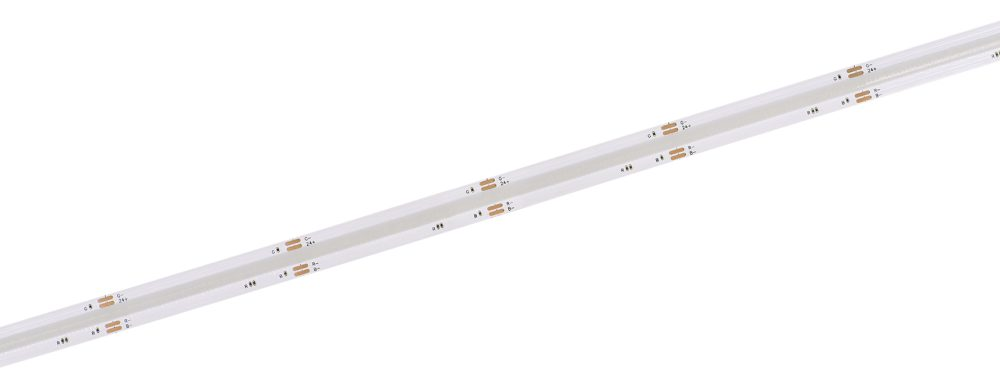
We developed our COB Single Color Series for applications where a continuous, dot-free appearance is important. Instead of producing an installation where individual LED points are visually obvious, the series is designed to create an even line of light. This makes it suitable for homes, offices, retail displays, and decorative applications where the lighting itself needs to remain visually discreet.
The narrow COB flexible LED strip design is particularly useful where installation space is limited. We also provide choices of CRI and IP ratings, allowing project teams to select a configuration according to color-rendering expectations and the conditions of the installation. These options make the series adaptable to different project requirements without changing its fundamental slim format.
Power, Protection, and Installation Considerations
LED strips normally require a power supply that converts mains AC electricity to the low-voltage DC input specified by the strip. The power supply should have sufficient capacity for the total connected load, and its output voltage must match the strip. A mismatch can cause poor performance or damage, so electrical compatibility should be confirmed during project planning.
Protection requirements also vary by location. Our COB Single Color Series offers different IP rating options so project teams can select a version appropriate to the installation environment. The exact rating should be chosen according to the expected exposure to dust or moisture rather than treating every strip as suitable for every location.
Choosing the Right Strip for the Project
The best LED strip supplier is not simply the one offering the largest product range. Buyers should be able to compare meaningful specifications and match them to the intended application. Important factors include voltage, power consumption, lumen output, LED density, CCT, CRI, IP rating, dimensions, cutting intervals, and connection requirements.
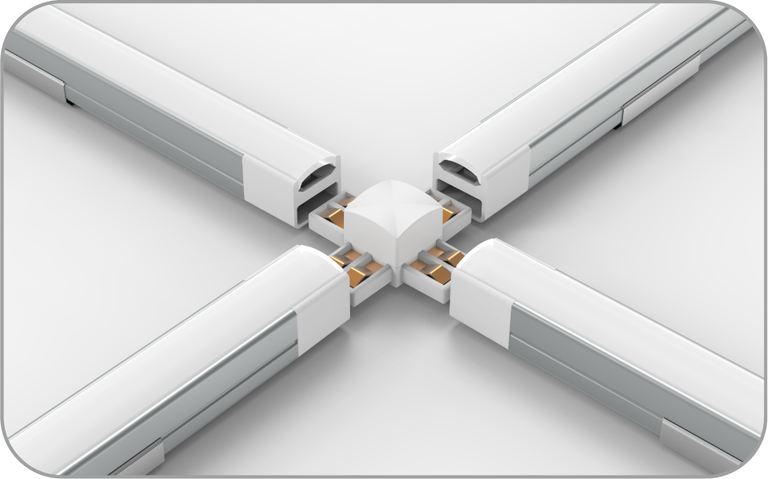
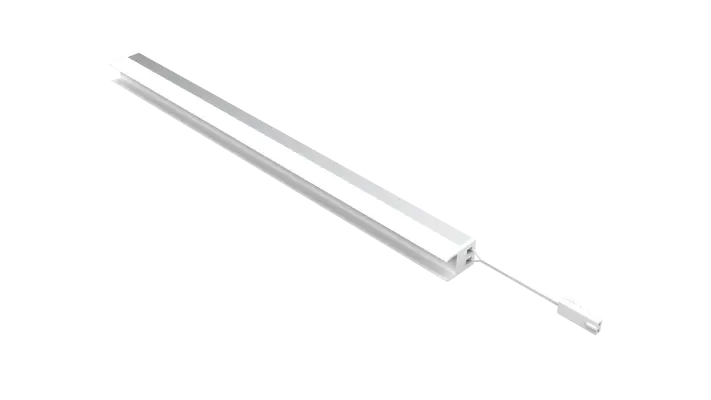
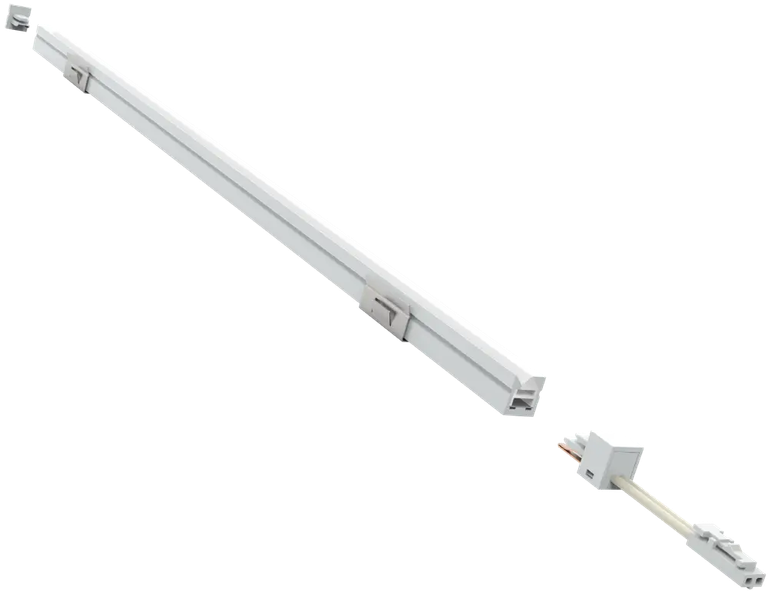
Thermal management and mounting should also be considered, particularly for higher-output installations. Aluminum channels can provide a cleaner mounting solution and may assist with heat dissipation, while diffusers can improve visual uniformity.
Building Flexible Lighting Solutions
LED strip lighting offers a useful balance of compact dimensions, installation flexibility, and application versatility. From residential cabinets to retail displays and integrated commercial interiors, the technology can provide functional illumination without demanding a large visual footprint.
As an LED strip supplier, we focus on giving project teams practical options for different environments. LEDIA Lighting‘s COB Single Color Series combines dot-free illumination, a narrow profile, selectable CRI, and multiple IP rating options. By matching these characteristics with the project’s installation conditions and lighting objectives, we can help create strip lighting systems that are both visually clean and technically appropriate.