



-
Recessed Lighting Spacing for Kitchens and Living Rooms
Master the perfect recessed lighting layout. Learn how to space ceiling lights in your kitchen and living room to eliminate shadows and create the ideal ambiance.Read more -
4-Inch vs. 6-Inch Recessed Lighting: How to Choose the Right Size for Your Ceiling
Deciding between 4-inch and 6-inch recessed lights? Discover the best size for your ceiling height, room style, and lighting goals in this comprehensive guide.Read more -
2026 Lighting Power Density: Energy Code Compliance Path, Energy Codes (with LPD Calculator & 2026 Section 179 Calculator)
The latest 2026 Lighting Power Density (LPD) requirements. A comprehensive guide to energy codes for sustainable commercial lighting.Read more
The Dual Role of Finish and Color in Fixture Design
- 21 Jun 2024
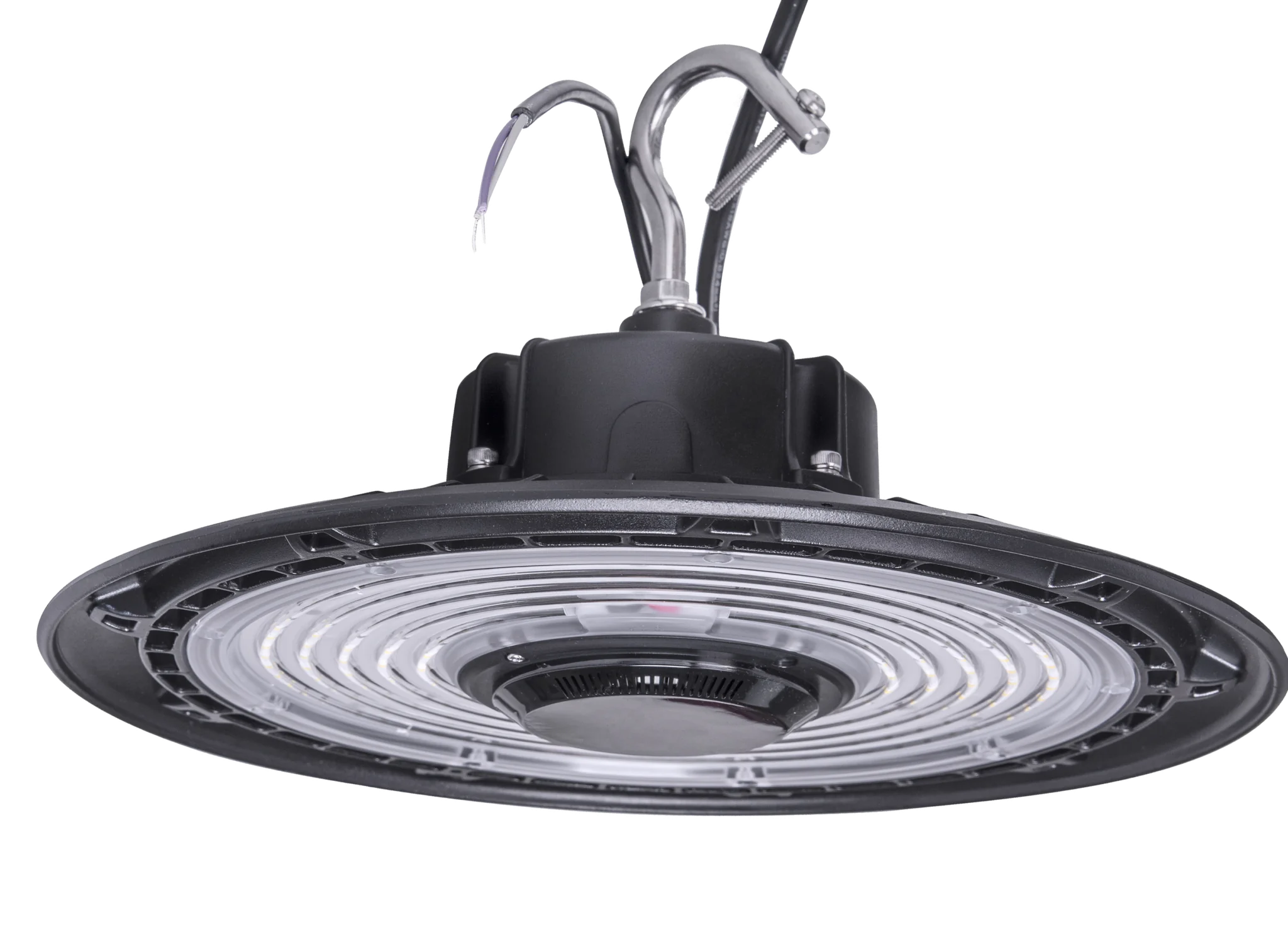
A fixture’s exterior is more than a visual shell; it serves as a critical interface between the product’s engineering and its environment. The selection of finish and color involves careful consideration of both thermal management and design intent. At our facility, we analyze how these surface characteristics influence the performance and integration of every unit we produce. This balance is essential for creating effective fixture LED lighting that meets technical requirements while fulfilling aesthetic visions. The outcome of this process defines the final product’s ability to manage heat and complement its setting.
Color Selection and Thermal Radiation Properties
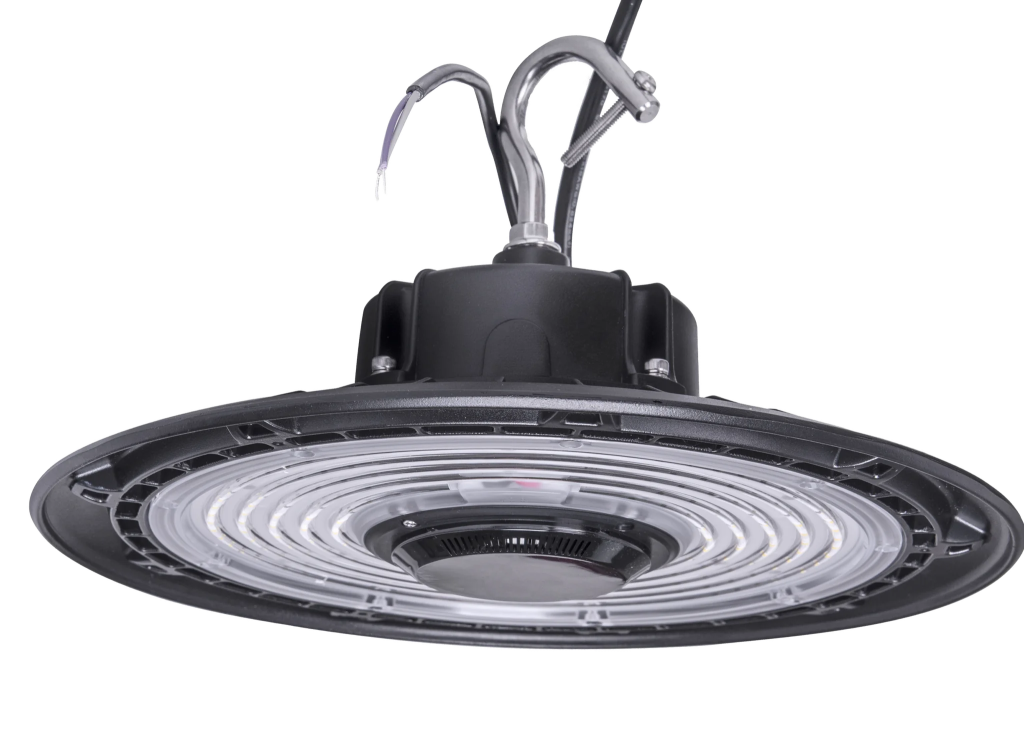
The color of a fixture’s housing plays a measurable role in its thermal performance. Darker colors, particularly black, are highly effective at radiating heat away from the surface due to their high emissivity. This can be advantageous in certain applications, helping to dissipate the warmth generated by the LED engine. Lighter colors and polished metals, while reflecting more ambient light, may not radiate internal heat as efficiently. For an LED lighting manufacturer, the choice is a functional one, determining how well the fixture LED lighting can maintain optimal operating temperatures through its surface area.
Finish Texture and its Functional Impact
Beyond color, the texture of a finish—whether a matte powder coat, a glossy enamel, or an anodized layer—affects both durability and heat dissipation. A textured, matte surface typically has a larger effective surface area, which can slightly improve heat radiation and also helps to conceal minor imperfections or scratches over time. Smoother, glossier finishes may be easier to clean but can be more prone to showing fingerprints or marks. Each type of coating must be evaluated not just for its look, but for its protective qualities and its contribution to the long-term stability of the LED light fixtures.
Integrating Aesthetics with Performance Requirements
The final appearance of a fixture is a key factor in architectural specification. A finish must blend with or accentuate the design language of a space, from the minimalist appeal of a white coating to the industrial strength of a dark bronze finish. Our goal is to provide a range of options that meet these aesthetic demands without compromising the thermal design of the product. This ensures that the LED light fixtures perform reliably while achieving the desired visual effect, whether they are highlighted as a design feature or discreetly integrated into the architecture.
The intersection of finish and function is a fundamental aspect of fixture development. It requires a perspective that views the exterior as an active component of the thermal system, not just a decorative layer. The right selection supports the longevity of the LED components and ensures the product fits its intended environment seamlessly. At LEDIA Lighting, we approach every finish with this dual perspective, engineering our fixture LED lighting to achieve a synthesis of enduring performance and thoughtful design.