



-
Recessed Lighting Spacing for Kitchens and Living Rooms
Master the perfect recessed lighting layout. Learn how to space ceiling lights in your kitchen and living room to eliminate shadows and create the ideal ambiance.Read more -
4-Inch vs. 6-Inch Recessed Lighting: How to Choose the Right Size for Your Ceiling
Deciding between 4-inch and 6-inch recessed lights? Discover the best size for your ceiling height, room style, and lighting goals in this comprehensive guide.Read more -
2026 Lighting Power Density: Energy Code Compliance Path, Energy Codes (with LPD Calculator & 2026 Section 179 Calculator)
The latest 2026 Lighting Power Density (LPD) requirements. A comprehensive guide to energy codes for sustainable commercial lighting.Read more
Solar-Powered Outdoor LED Strip Lighting Options and Practical Considerations
- 1 Apr 2024
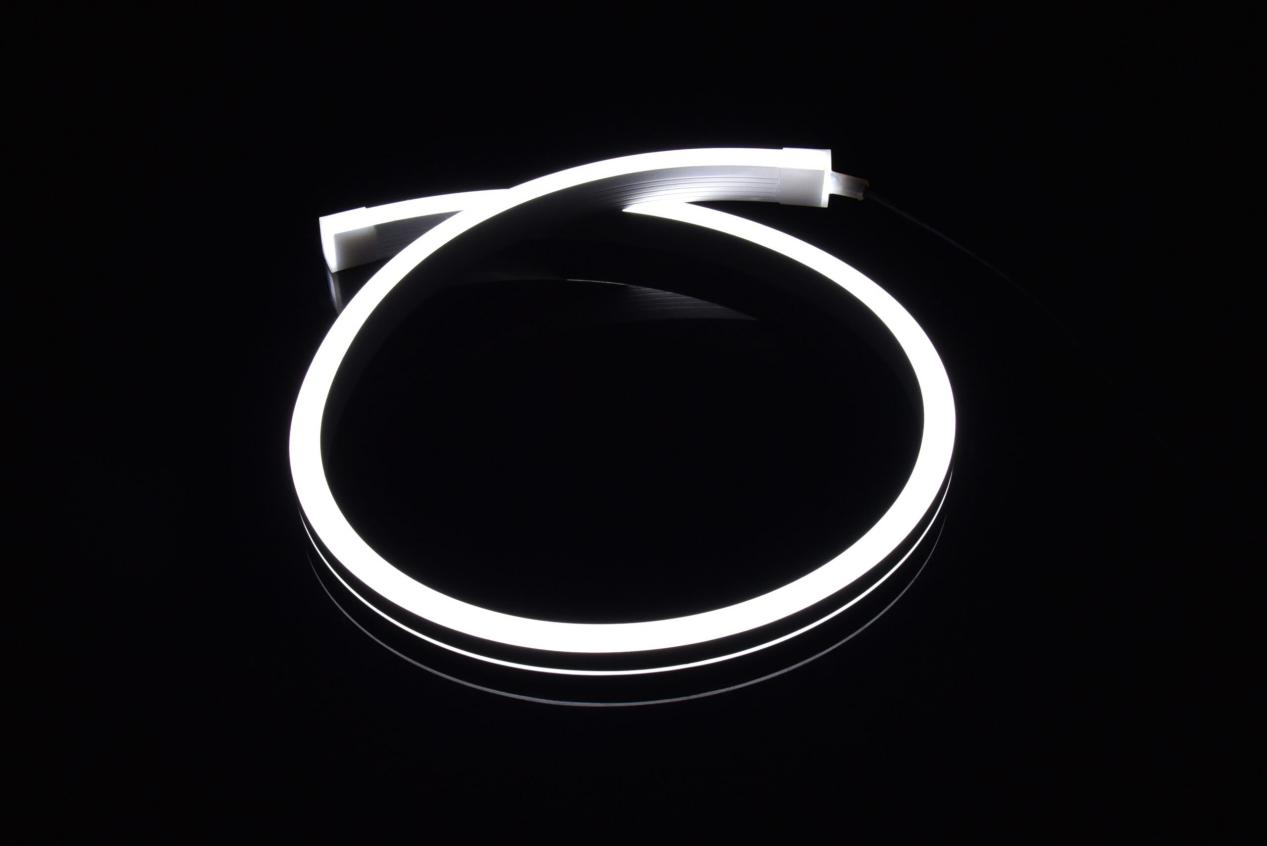
In many outdoor engineering projects, LEDIA Lighting works with contractors and system integrators who are evaluating different lighting power solutions, including solar-based setups. When discussing LED strip LED lights, we often refer to flexible lighting systems that can be adapted to landscape, façade, and commercial perimeter applications. Solar-powered configurations are usually built by combining photovoltaic panels, battery storage, and low-voltage strip systems such as outdoor LED strip lights. From our experience, these systems are mainly chosen for locations where direct grid access is limited, but lighting continuity is still required for safety or visual guidance. However, the overall performance is closely tied to installation planning, sunlight conditions, and energy storage capacity, which must be considered at the early design stage.

Application Options and System Structure
In practical projects, LEDIA Lighting supplies LED strip systems that can be integrated into solar-powered frameworks, especially in architectural and commercial environments. The most common structure combines solar panels with DC controllers and LED strip LED lights, allowing flexible installation along pathways, building edges, or outdoor signage areas. For outdoor LED lights strips, engineers often select low-voltage versions to match battery output and improve energy efficiency. Our company’s strip lighting systems are designed with stable optical performance and outdoor durability in mind, including moisture resistance and long-term material stability. These features make them suitable for integration into solar systems, especially in retail parks, transport hubs, and large-scale public infrastructure projects where wiring complexity needs to be minimized.
Technical Limitations in Solar Integration
While solar-powered lighting offers flexibility, LEDIA Lighting has observed several limitations in real applications. The performance of LED strip LED lights depends heavily on daily sunlight availability and battery storage design, which can lead to inconsistent illumination during extended cloudy periods or seasonal changes. For outdoor LED lights strips, voltage stability is another key concern, as fluctuations may affect brightness consistency and lifespan if system design is not properly matched. In addition, initial system planning requires careful coordination between lighting designers and energy system engineers, which can increase project complexity. These factors mean solar solutions are typically more suitable for auxiliary lighting or low-load scenarios rather than high-demand continuous illumination environments.
Conclusion
In summary, LEDIA Lighting continues to support engineering clients exploring solar integration for LED strip LED lights and outdoor LED lights strips, especially in sustainable infrastructure projects. Solar-powered systems offer installation flexibility and reduced cabling requirements, but they also introduce limitations related to energy storage, environmental dependency, and system stability. Based on our project experience, selecting the right configuration and ensuring proper system design are essential for achieving reliable long-term performance in outdoor applications.