



-
Recessed Lighting Spacing for Kitchens and Living Rooms
Master the perfect recessed lighting layout. Learn how to space ceiling lights in your kitchen and living room to eliminate shadows and create the ideal ambiance.Read more -
4-Inch vs. 6-Inch Recessed Lighting: How to Choose the Right Size for Your Ceiling
Deciding between 4-inch and 6-inch recessed lights? Discover the best size for your ceiling height, room style, and lighting goals in this comprehensive guide.Read more -
2026 Lighting Power Density: Energy Code Compliance Path, Energy Codes (with LPD Calculator & 2026 Section 179 Calculator)
The latest 2026 Lighting Power Density (LPD) requirements. A comprehensive guide to energy codes for sustainable commercial lighting.Read more
Safety Principles for Reliable Outdoor Low-Voltage LED Strip Installations
- 24 Aug 2024
We begin every outdoor lighting project by reviewing the electrical conditions of the site and identifying the specific requirements for low-voltage circuits. This preparation allows us to build stable systems using fixture LED lighting while meeting the expectations of inspectors and project managers. Low-voltage outdoor layouts require careful attention to transformer selection, cable routing, and grounding continuity. To prevent moisture-related failures, we choose connectors rated for exterior environments and ensure that each wiring path remains protected from soil movement or prolonged exposure. In the early design stage, we also evaluate how outdoor LED strip lights will respond to voltage drop in longer runs, allowing us to plan load distribution with clarity and consistency.

Applying Codes and Best Practices During Installation
When we enter the installation phase, we rely on the guidelines that electrical authorities define for low-voltage outdoor systems. Midway through our process, LEDIA Lighting solutions provide us with dependable performance standards that match code requirements for enclosure ratings and weather-resistant components. We keep power supplies in accessible positions, avoiding enclosed spaces without ventilation, and we follow mandatory spacing between low-voltage wiring and other building utilities. During outdoor LED strip assembly, especially when we incorporate outdoor LED strip lights into complex architectural structures, we pay attention to connector integrity and circuit balance. Integrating fixture LED lighting into shared pathways also requires us to examine temperature influence, ensuring that materials near the lighting system remain within a safe operating range.
Integrating Our Product Systems into Safe Project Designs
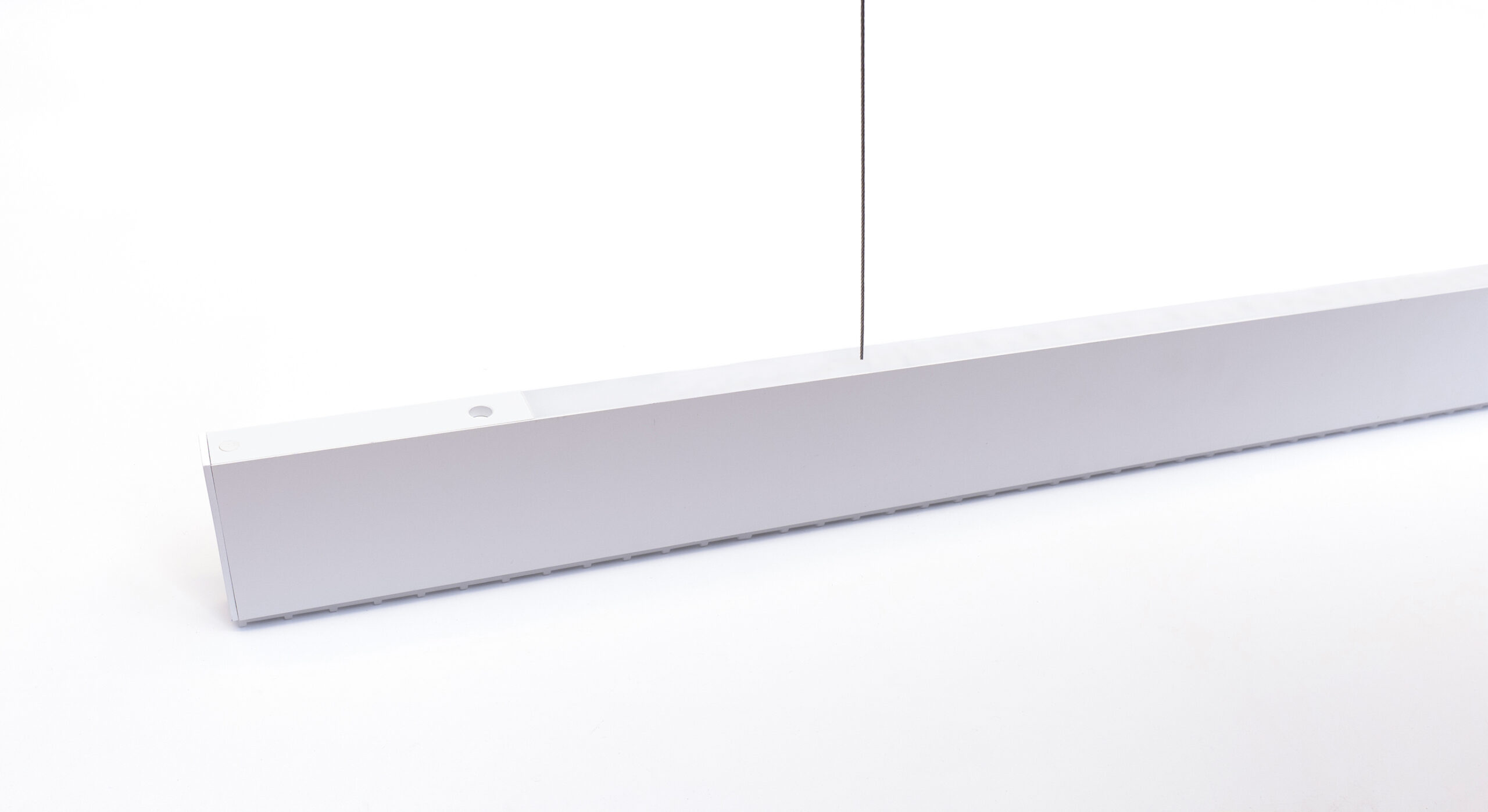
In our broader project portfolio, we combine safety considerations with structured lighting design. When introducing our LED Linear Light–Edge Series into projects, we maintain consistent wiring organization and circuit clarity. For office applications, our suspended solutions—explained through the Advantages of Linear Suspension Light for Office—help us create visually balanced environments with even light distribution and adaptable layouts. The suspended format also supports energy-efficient operation and space-saving arrangements. Although these systems differ from exterior work, we follow similar wiring principles to ensure that every circuit remains stable. Whether we use interior components or weather-rated outdoor elements, our approach keeps fixture LED lighting and associated systems aligned with proper grounding, moisture protection, and approved low-voltage connectors.
Conclusion: Ensuring Long-Term Stability for Outdoor Low-Voltage LED Projects
Toward the completion of each project, we verify that all connections, enclosure ratings, and transformer loads satisfy the expectations for outdoor LED strip lights in exterior environments. Our inspection process focuses on moisture control, voltage accuracy, and connector durability, guaranteeing that the system remains reliable after installation. With continued refinement of our methods and consistent use of solutions developed under the LEDIA Lighting brand, we maintain stable low-voltage outdoor systems that support long-term performance. By reinforcing safe practices from planning to completion, we ensure that each project respects electrical codes and preserves the functional strength of fixture LED lighting in every applicable setting.