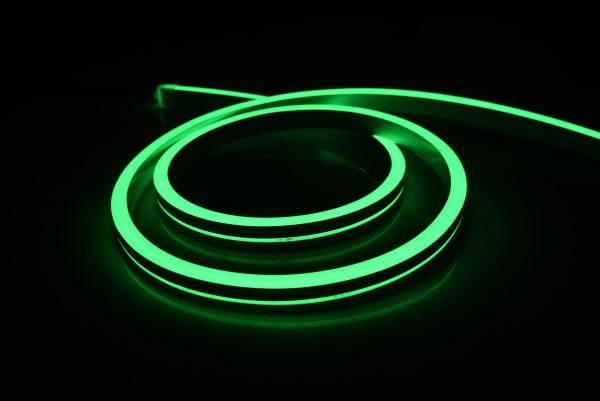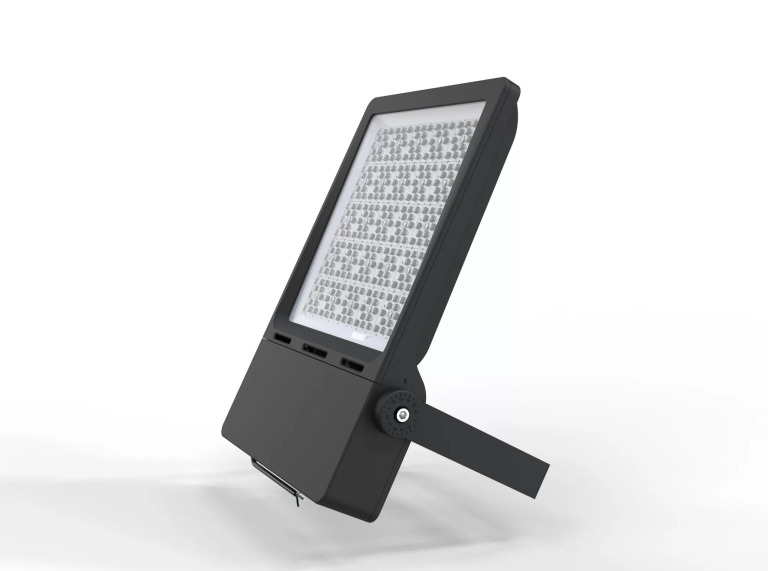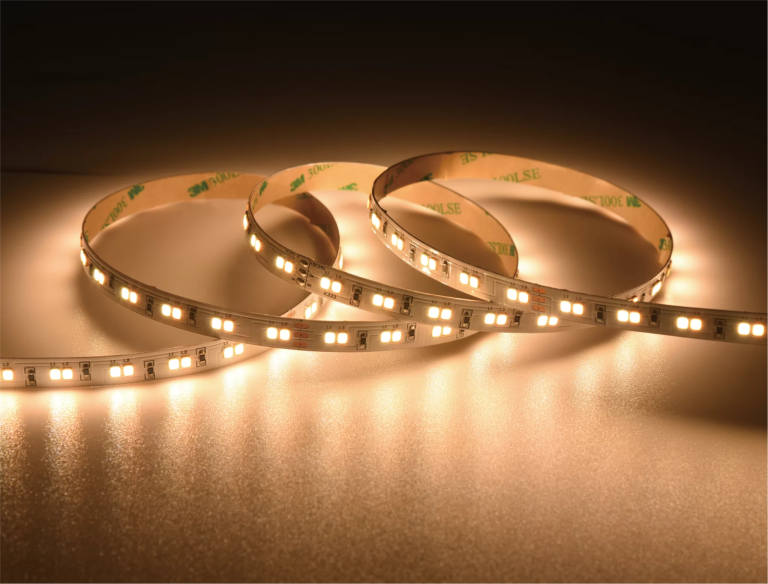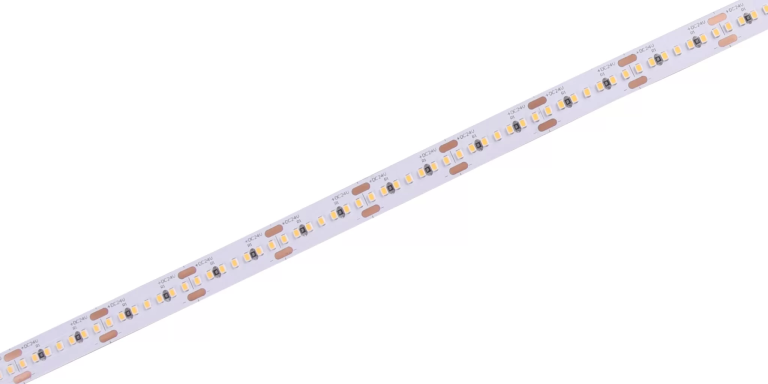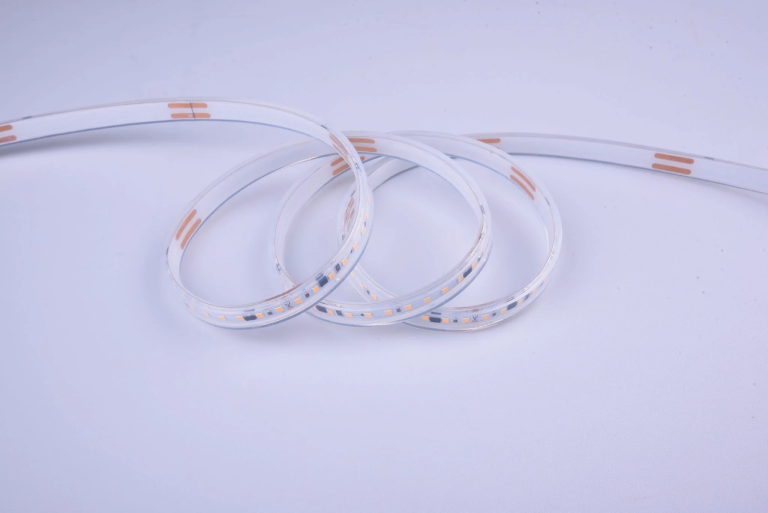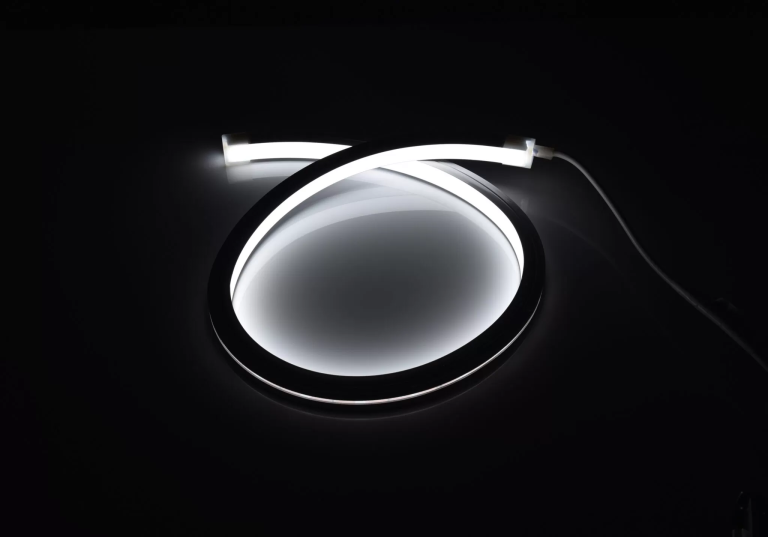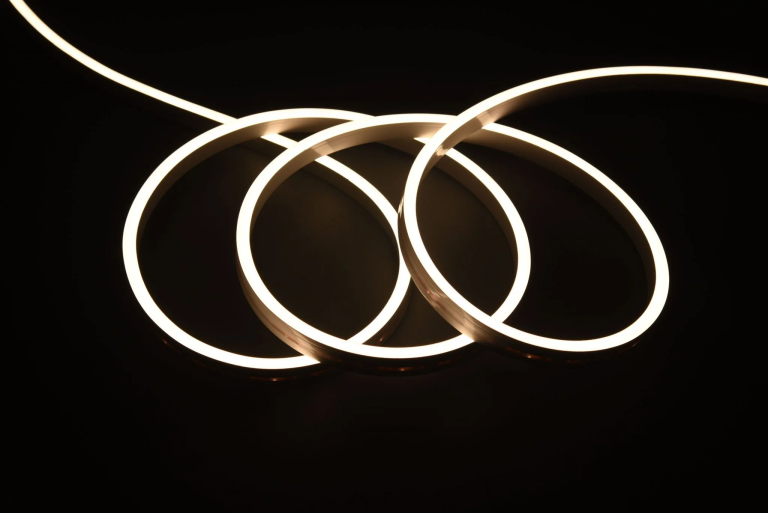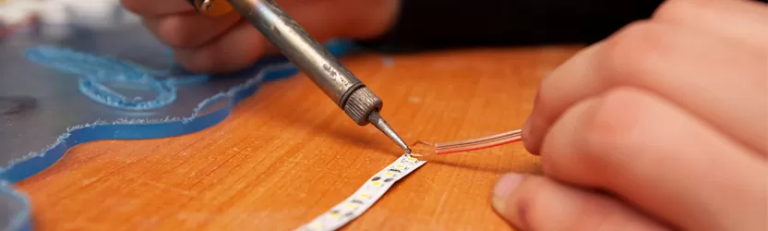
As a manufacturer dedicated to reliable lighting solutions, LEDIA Lighting has gained extensive experience supporting clients who need to troubleshoot outdoor LED strip lights affected by moisture or unexpected electrical fluctuations. When we begin assessing a malfunction, we first examine visible symptoms such as uneven brightness, surface discoloration, and abnormal temperature changes. These issues often indicate that moisture has entered a protective layer or that the strip has experienced voltage instability. We also verify whether the power configuration matches project requirements, since incompatible drivers may intensify degradation. During this stage, we compare the faulty strip with a normal one to determine whether the condition of the outdoor LED strip lights has changed significantly. This helps us confirm if the problem is external or internal before moving into electrical evaluation involving fixture LED lighting systems used in outdoor environments.
Electrical Testing and Segment Isolation
Once visual inspection is complete, we shift to controlled testing to precisely locate the failure. Our team isolates individual sections of the outdoor LED strip lights and powers them independently to identify areas affected by moisture or surge damage. If a segment does not illuminate consistently, we check for corrosion around connectors or signs of short circuits. At this stage, we also examine the driver and surge-protection components to understand whether a voltage spike created the failure. This method is particularly useful for exterior architectural projects where fixture LED lighting must maintain uniform output. If both ends show different lighting behavior, we look for trapped moisture within the strip housing. These steps allow us to determine whether repairing the damaged strip is a practical option or whether replacement will ensure longer stability.
Ensuring Proper Protection and Reinstallation
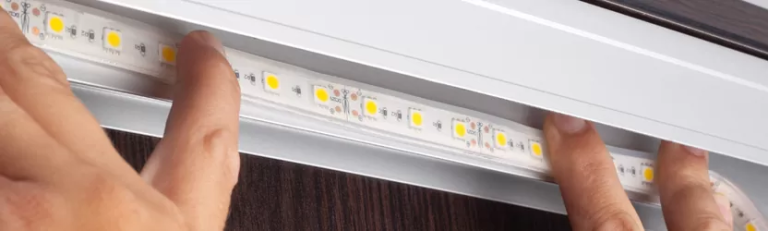
After locating the core issue, we advise clients on implementing preventive measures. For moisture-related damage, resealing exposed joints, reinforcing end caps, and improving installation-area drainage help reduce future risk. When a surge is responsible, adding a surge-resistant driver or external protective module can stabilize performance. In many outdoor projects using fixture LED lighting, correct wiring polarity and grounding help maintain consistent operation and avoid avoidable failures. During reinstallation, we also encourage avoiding tight bends or compressed mounting channels, as these can weaken protective layers and create new points of moisture entry. Taking these steps ensures that outdoor LED strip lights continue functioning reliably across varying environmental conditions.
Conclusion
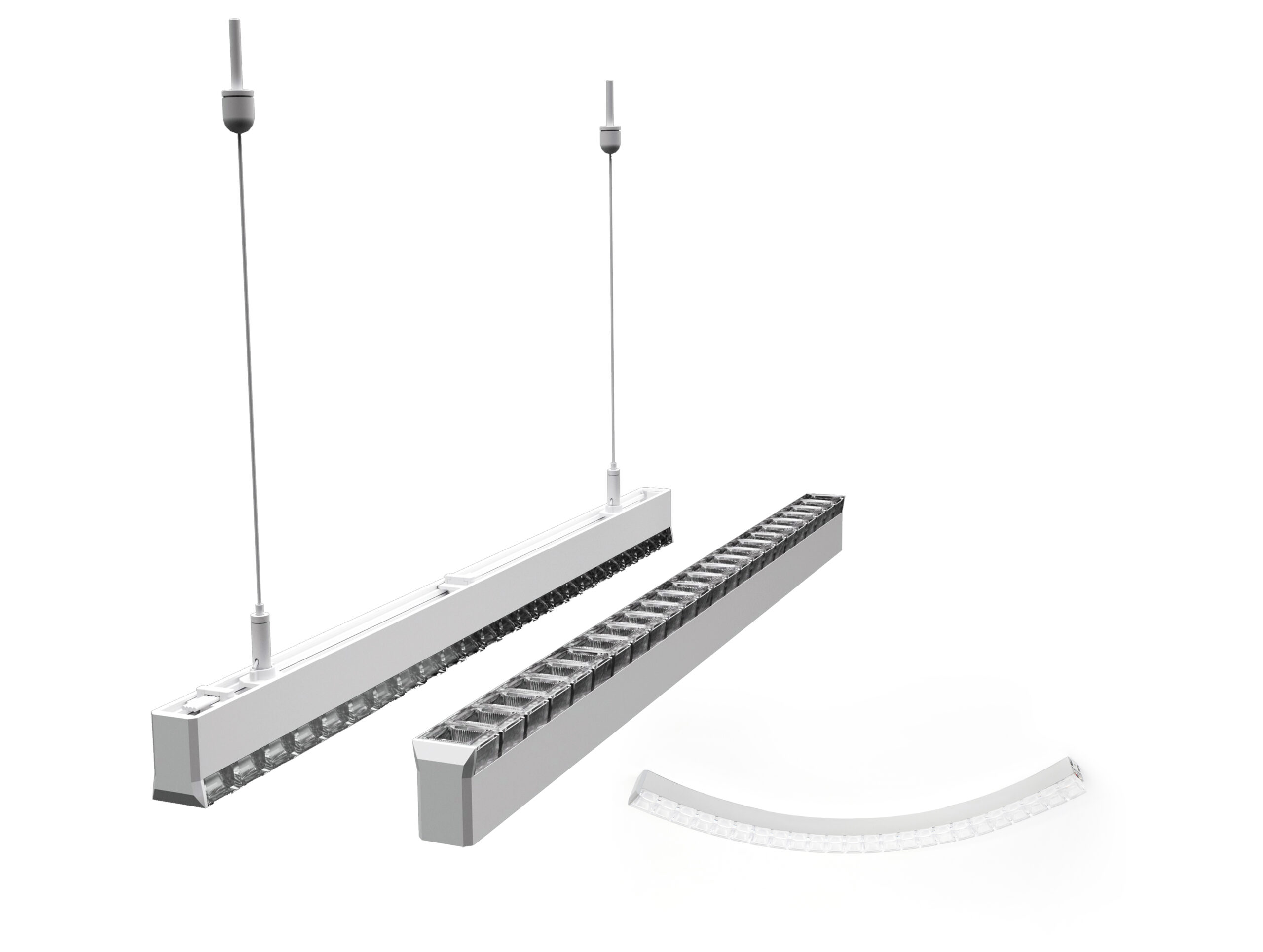
By following a structured approach that includes inspection, testing, and proper environmental reinforcement, we can accurately diagnose issues caused by moisture or power surges in outdoor LED strip lights. Within our product range, the LED Linear Light–Lyra Series is designed for exterior office applications and offers stable performance supported by thoughtful engineering. Through our continued development of fixture LED lighting, we ensure that our solutions contribute to dependable results for outdoor lighting projects.