



-
Recessed Lighting Spacing for Kitchens and Living Rooms
Master the perfect recessed lighting layout. Learn how to space ceiling lights in your kitchen and living room to eliminate shadows and create the ideal ambiance.Read more -
4-Inch vs. 6-Inch Recessed Lighting: How to Choose the Right Size for Your Ceiling
Deciding between 4-inch and 6-inch recessed lights? Discover the best size for your ceiling height, room style, and lighting goals in this comprehensive guide.Read more -
2026 Lighting Power Density: Energy Code Compliance Path, Energy Codes (with LPD Calculator & 2026 Section 179 Calculator)
The latest 2026 Lighting Power Density (LPD) requirements. A comprehensive guide to energy codes for sustainable commercial lighting.Read more
Practical Steps for Restoring Oxidized Outdoor Lighting Surfaces
- 31 Aug 2024
Outdoor installations are often exposed to demanding environments, and maintaining their appearance and performance is part of our routine work. Over time, outdoor light fixtures may show signs of oxidation caused by humidity, dust, and temperature changes. As we handle maintenance tasks across various engineering projects, we frequently check the condition of metal housings and brackets to ensure safe and consistent operation of systems such as LED flood lights. In this process, we also work closely with solutions from LEDIA Lighting, applying our on-site experience to keep each installation clean and functional.

Identifying Oxidation and Preparing for Cleaning
Before we begin deeper maintenance, we first determine how extensive the oxidation is on the surface of outdoor light fixtures. Light oxidation can usually be treated using mild cleaning steps, while heavier buildup may require additional attention. We start by rinsing the housing with warm water mixed with a gentle detergent to remove surface dirt. When handling LED flood lights, we also look at hinges and angle holders to ensure no residue interferes with positioning. This preparation helps us avoid unnecessary abrasion and ensures we can clean the fixture without affecting its structure. During this stage, our work involves understanding how different materials respond to cleaning agents, which allows us to maintain equipment safely and efficiently using tools familiar to LEDIA Lighting maintenance routines.
Safe Cleaning Techniques for Oxidized Surfaces
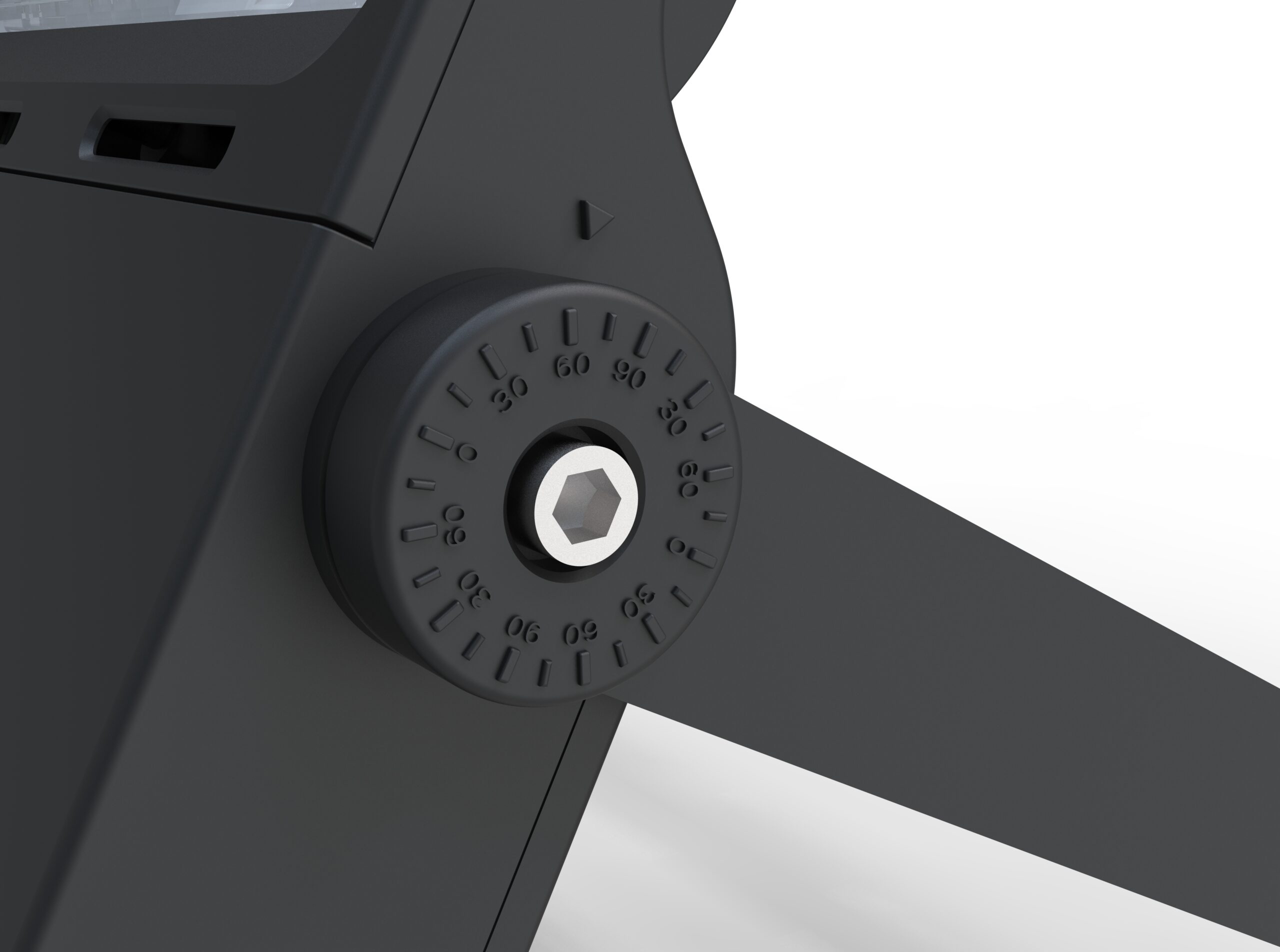
Once the surface is ready, we apply a light solution of water and vinegar using a soft cloth or brush to break down visible oxidation. For tougher areas, we may use a small amount of metal polish, making sure to test it on a discreet section first. When maintaining outdoor light fixtures, keeping liquids away from seams, optical elements, and electrical parts is essential. For LED flood lights, we also make sure the beam-angle adjustment remains free of residue so that measurements on the scale marks stay accurate. These methods help us restore the fixture’s appearance without altering its manufacturing details or affecting long-term reliability.
Applying Product Knowledge for Long-Term Maintenance
During regular service, we also evaluate features that make cleaning more convenient. For example, the D Series Flood Light has a slim 60 mm profile, enabling easier access to corners and mounting points. With multiple installation options and an intelligent 12V auxiliary design, we can complete routine cleaning without opening unnecessary sections. When working with these LED flood lights, we also verify that the high-efficiency 140 lm/W and 170 lm/W configurations remain unobstructed to maintain stable performance. These checks help us ensure the fixture continues to perform reliably as part of our broader experience with LEDIA Lighting product solutions.
Conclusion
Oxidation is common in environments where outdoor light fixtures operate continuously, and maintaining them is part of our ongoing work. By using steady cleaning methods and understanding the structural design of systems such as LED flood lights, we ensure that each installation remains dependable and visually consistent. Our approach helps keep outdoor projects operating smoothly while preserving appearance over long-term use.