



-
Recessed Lighting Spacing for Kitchens and Living Rooms
Master the perfect recessed lighting layout. Learn how to space ceiling lights in your kitchen and living room to eliminate shadows and create the ideal ambiance.Read more -
4-Inch vs. 6-Inch Recessed Lighting: How to Choose the Right Size for Your Ceiling
Deciding between 4-inch and 6-inch recessed lights? Discover the best size for your ceiling height, room style, and lighting goals in this comprehensive guide.Read more -
2026 Lighting Power Density: Energy Code Compliance Path, Energy Codes (with LPD Calculator & 2026 Section 179 Calculator)
The latest 2026 Lighting Power Density (LPD) requirements. A comprehensive guide to energy codes for sustainable commercial lighting.Read more
Ensuring Reliable Electrical Safety in Modern Flood Light Systems
- 30 Aug 2024
As LEDIA Lighting continues expanding our flood-lighting solutions for varied commercial and engineering environments, we place strong emphasis on the essential safety requirements that shape the design of every LED flood lights product we manufacture. Electrical insulation and grounding are core elements of this safety framework. In our daily work, we ensure that each system we develop follows applicable industry practices so our clients can use our solutions with confidence.

Essential Requirements for Electrical Insulation
Electrical insulation determines how effectively an LED flood light protects users and structures from unintended electrical contact. In our projects, we follow structured insulation design principles that separate live components from accessible surfaces. This includes maintaining stable insulation distances, selecting durable insulating materials, and ensuring long-term resistance to heat and moisture.
For outdoor engineering applications, stable insulation performance is especially important because humidity and dust can gradually weaken protective layers. This is why we design our systems with protective housings, sealed internal structures, and insulation layouts that remain reliable across various installation environments. Throughout production, our team verifies insulation strength through routine internal testing, ensuring the finished product performs safely in both routine operation and unexpected conditions.
Grounding Measures for Safer System Operation
Grounding is another requirement closely connected to safety and stability for LED flood lights, especially when used in open spaces or large-scale building projects. In our workflow, grounding structures are included to discharge leakage current safely, minimizing the chance of damage or accidental electric shock.
Our mounting brackets, internal wiring paths, and metal housing components are designed to connect securely to grounding systems when installed on-site. We communicate these requirements clearly in our product guidelines so that engineering teams can complete installation correctly. Proper grounding not only improves safety but also enhances long-term operational reliability because it helps reduce static accumulation and interference within the lighting system.
How Our Product Design Supports These Standards
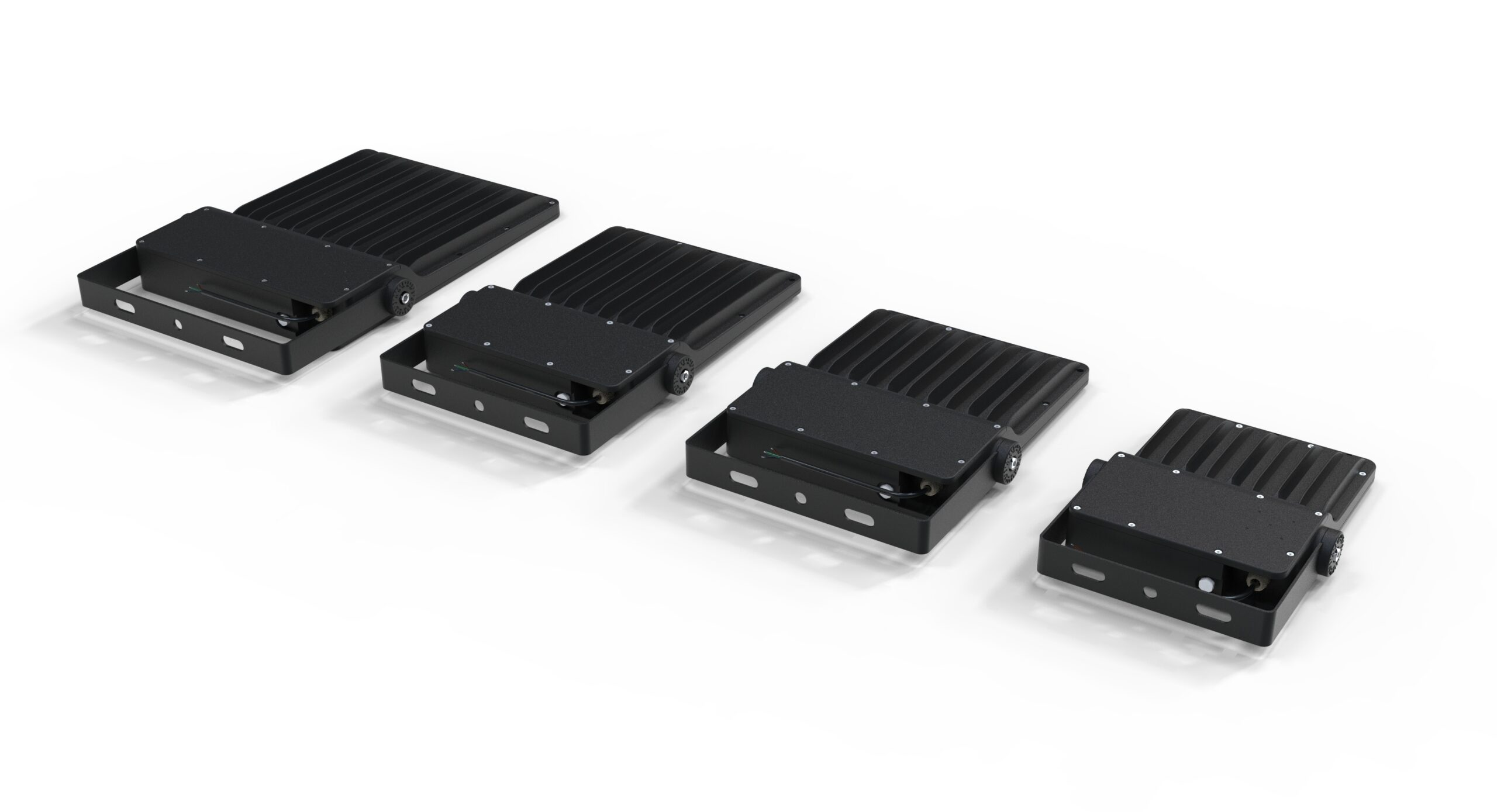
In our product family, the D Series Flood Light follows standard insulation and grounding principles while offering practical installation features for engineering partners. The design remains compact at about 60 mm thickness, and we provide several installation methods (adjustable-angle bracket, yoke or slip-fitter mount) to support different project layouts. Beam angle options (30° / 60° / 90° / 120° / TYPE2 / TYPE3 / TYPE4) allow accurate light distribution across varied environments, and each angle can be checked via scale marks on both sides of the holder for reliable aiming. The system includes an intelligent structural design, auxiliary DC 12 V support and an optional ZHAGA interface. We also provide high luminous-efficiency choices — 140 LM/W or 170 LM/W — so users can meet energy-saving targets without compromising electrical safety or optical performance. By combining structured insulation, dependable grounding, weather-resistant housing (e.g. die-cast aluminum + protective cover, suitable for wet/outdoor locations), and adaptable engineering features, we deliver LED flood-light solutions that meet common commercial lighting standards and remain consistent with practical safety and durability expectations in real project environments.
Conclusion
As a manufacturer deeply engaged in the lighting industry, we understand that insulation and grounding are essential for every LED flood lights project we support. These standards guide our design process, testing steps, and installation documentation. By maintaining careful control over materials, structure, and system layout, we ensure our flood-lighting solutions operate dependably for engineering teams seeking both performance and safety.