



-
Recessed Lighting Spacing for Kitchens and Living Rooms
Master the perfect recessed lighting layout. Learn how to space ceiling lights in your kitchen and living room to eliminate shadows and create the ideal ambiance.Read more -
4-Inch vs. 6-Inch Recessed Lighting: How to Choose the Right Size for Your Ceiling
Deciding between 4-inch and 6-inch recessed lights? Discover the best size for your ceiling height, room style, and lighting goals in this comprehensive guide.Read more -
2026 Lighting Power Density: Energy Code Compliance Path, Energy Codes (with LPD Calculator & 2026 Section 179 Calculator)
The latest 2026 Lighting Power Density (LPD) requirements. A comprehensive guide to energy codes for sustainable commercial lighting.Read more
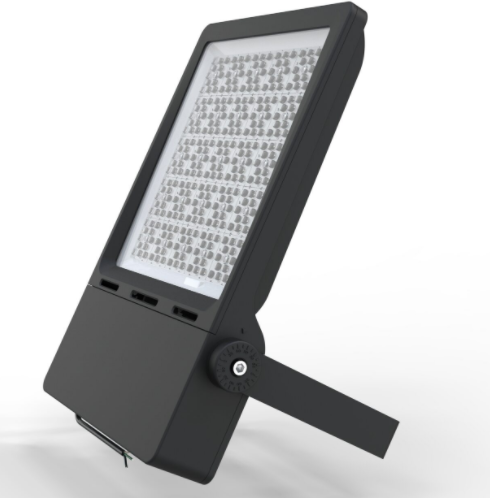
Practical Maintenance Guide for Long-Term Commercial Lighting Performance
- 22 Apr 2024
In large-scale projects, maintaining stable lighting performance is essential for operational continuity. At LEDIA Lighting, we understand that proper maintenance of fixture LED lighting systems directly affects long-term efficiency and cost control. For contractors, facility managers, and commercial operators, a structured maintenance approach helps extend the lifespan of installations such as LED flood light fixtures, while reducing unexpected downtime. Our experience in engineering-oriented applications shows that consistent care is not complex, but it requires planning and the right product design from the beginning.
Structured Maintenance Planning for Fixture LED Lighting
We usually recommend starting with a clear maintenance schedule for fixture LED lighting used in commercial and industrial environments. Dust accumulation, environmental exposure, and electrical fluctuations are common factors that gradually impact performance. Regular surface cleaning, inspection of wiring connections, and checking control systems can help maintain stable output. In many projects, especially retail chains and public infrastructure, maintenance teams benefit from modular designs that allow easy replacement or adjustment without interrupting the entire system. This is particularly relevant when managing LED flood light fixtures installed outdoors, where environmental stress is higher. Our systems are designed to simplify these routine tasks, supporting efficient long-term operation.
Product Design That Supports Long-Term Use
From a manufacturing perspective, durability begins at the design stage. At LEDIA Lighting, we develop solutions that help reduce maintenance frequency through material selection and structural optimization. For example, our strip lighting solutions use integrated wire designs and silicone extrusion technology, which improve sealing and reduce exposure risks. These features are important when fixture LED lighting is applied in both indoor and outdoor conditions. In addition, high resistance to UV and color degradation supports consistent lighting quality over time. For projects involving LED flood light fixtures, robust housing and high protection ratings contribute to stable performance in demanding environments such as construction sites or large commercial areas.
Quality Assurance and Operational Stability
Long-term maintenance is closely linked to product reliability. We support this through controlled production and testing processes. With over 20 years in the lighting industry, our team includes two dedicated R&D groups and advanced facilities, including a CNAS-accredited laboratory. Our products, including fixture LED lighting and LED flood light fixtures, comply with international certifications such as UL, ETL, CE, RoHS, TUV, SAA, and ENEC. These certifications reflect consistent quality standards, which help reduce maintenance uncertainty in global projects. For engineering clients, this means fewer disruptions and more predictable performance throughout the product lifecycle.
Conclusion: Maintenance as Part of System Design
Maintaining lighting systems is not only about after-installation work; it is part of the overall solution. At LEDIA Lighting, we approach maintenance as an extension of design, ensuring that fixture LED lighting systems are easy to manage and adapt over time. Whether used in indoor retail environments or outdoor applications with LED flood light fixtures, a combination of proper planning, durable design, and verified quality can support long-term use. By aligning maintenance strategies with product capabilities, we help our partners achieve stable and efficient lighting performance across different project scenarios.