



-
Recessed Lighting Spacing for Kitchens and Living Rooms
Master the perfect recessed lighting layout. Learn how to space ceiling lights in your kitchen and living room to eliminate shadows and create the ideal ambiance.Read more -
4-Inch vs. 6-Inch Recessed Lighting: How to Choose the Right Size for Your Ceiling
Deciding between 4-inch and 6-inch recessed lights? Discover the best size for your ceiling height, room style, and lighting goals in this comprehensive guide.Read more -
2026 Lighting Power Density: Energy Code Compliance Path, Energy Codes (with LPD Calculator & 2026 Section 179 Calculator)
The latest 2026 Lighting Power Density (LPD) requirements. A comprehensive guide to energy codes for sustainable commercial lighting.Read more
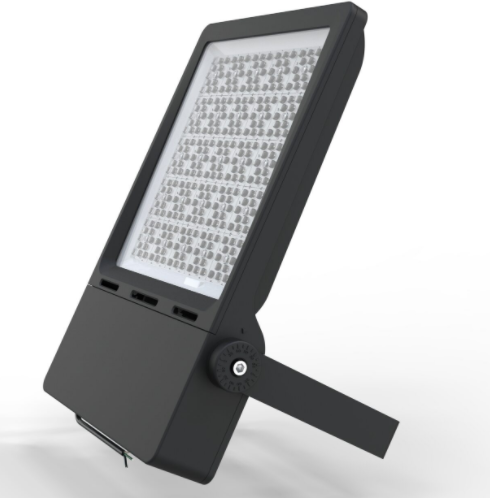
How We Add an Outlet to an Outdoor Flood Light
- 23 Jan 2025
As we work with LEDIA Lighting, we often receive questions from project partners about how to add outlet to outdoor flood light systems safely and cleanly. In many engineering cases, customers want to expand their exterior lighting setup while keeping wiring organized. When we integrate an outlet into installations using LED flood lights or other outdoor flood lights, our approach always focuses on stability, compliance and practicality. Our team has been in the lighting industry for more than 20 years, and we understand how important it is to manage outdoor power access correctly while maintaining reliable illumination performance.
Preparing the Setup for Outlet Integration
Before we modify any outdoor flood lights structure, we evaluate the installation environment and the electrical requirements of the site. This allows us to design a wiring plan that keeps the flood light’s performance consistent while adding the outlet connection safely. When we work with LEDIA Lighting projects, we follow regulated procedures to ensure weather-resistant sealing, secure grounding and proper load calculation. For example, when customers use our D Series Flood Light, we check the slim 60mm structure and available installation methods to determine where the outlet housing can be positioned without affecting the beam direction. The scale mark on both sides of the holder helps us confirm the exact beam angle—30°, 60°, 90°, 120°, TYPE2, TYPE3 or TYPE4—so the additional outlet does not interfere with the lighting effect. During this stage, we also assess whether the optional DC 12V auxiliary or ZHAGA port will help optimize the overall wiring system.
Executing the Wiring and Ensuring Safety
When we complete wiring for LED flood lights, we use moisture-proof connectors, outdoor-rated junction boxes and stable cable routing. Our company always avoids unnecessary exposure of wires because long-term outdoor conditions can impact electrical components. As we integrate the outlet with outdoor flood lights, we test the load balance repeatedly to make sure the lighting fixture and the new outlet operate smoothly at the same time. With the D Series Flood Light’s high-efficiency output—140 LM/W and 170 LM/W options—our goal is to retain its energy-saving performance even after adding additional power access. Our experience in R&D and certified laboratory testing supports every step, allowing us to solve installation challenges without compromising quality.
Practical Application for Engineering Projects
When engineering contractors ask us how to add outlet to outdoor flood light for building exterior upgrades or commercial façade renovation, we provide installation guidance based on the specific site demands. For many cases involving LED flood lights, we position the outlet for maintenance tools or supplementary small devices without affecting the lighting layout. Since LEDIA Lighting serves engineering projects and large commercial chains, we design these solutions to stay clean in appearance and dependable in operation. This ensures the upgraded system remains stable, easy to service and consistent with project safety standards.
Conclusion
When we assist customers with how to add outlet to outdoor flood light systems, our focus is always technical clarity and safe operation. Whether the project uses LED flood lights or other outdoor flood lights, we make sure the added outlet integrates neatly with the lighting equipment, especially when using our slim and versatile D Series Flood Light. With our experience, certifications and engineering-oriented approach, we support partners in achieving practical and well-organized outdoor lighting setups.