



-
Recessed Lighting Spacing for Kitchens and Living Rooms
Master the perfect recessed lighting layout. Learn how to space ceiling lights in your kitchen and living room to eliminate shadows and create the ideal ambiance.Read more -
4-Inch vs. 6-Inch Recessed Lighting: How to Choose the Right Size for Your Ceiling
Deciding between 4-inch and 6-inch recessed lights? Discover the best size for your ceiling height, room style, and lighting goals in this comprehensive guide.Read more -
2026 Lighting Power Density: Energy Code Compliance Path, Energy Codes (with LPD Calculator & 2026 Section 179 Calculator)
The latest 2026 Lighting Power Density (LPD) requirements. A comprehensive guide to energy codes for sustainable commercial lighting.Read more
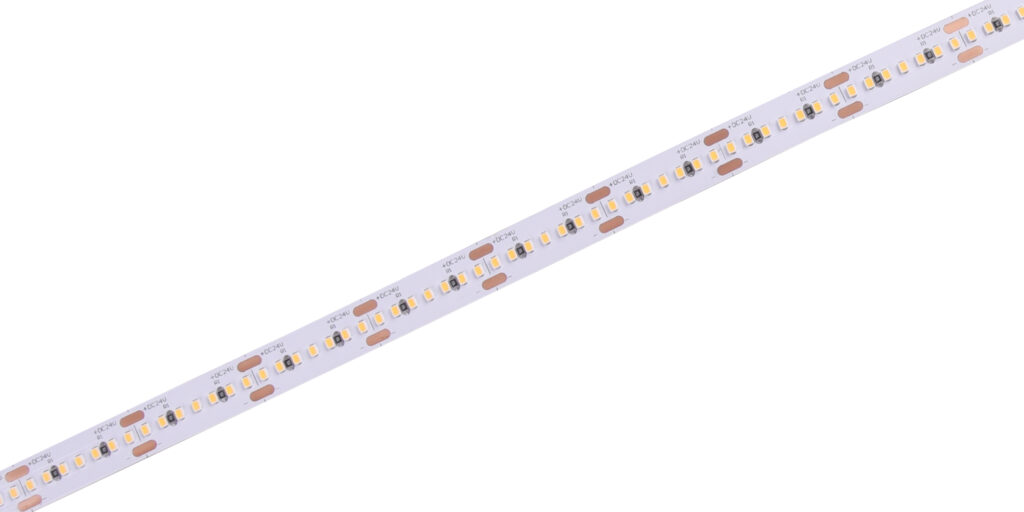
How to Build a Reliable Waterproof Connection for Outdoor LED Strip Installation
- 25 Jan 2025
When we work on field installations, creating a stable and waterproof connection between two segments of an outdoor LED strip lights system is essential for long-term performance. At LEDIA Lighting, we have spent more than two decades in the lighting industry, so we understand the challenges engineers face when connecting flexible strips in outdoor spaces. During many project visits, we have seen that moisture usually enters from the connector interface, so we always start by preparing both cut ends carefully and ensuring the sealing method matches the environmental condition. For projects requiring higher protection, we often suggest solutions aligned with the waterproof levels offered in our 2219 Series, which include IP65, IP67 and IP68 options.
Practical Steps for a Waterproof Joint
To help our clients create dependable results in the field, we normally follow a structured approach when joining two LED light strip segments outdoors. First, we clean the connection area to remove dust or oil that may prevent proper sealing. Next, we use purpose-built waterproof connectors compatible with the strip’s voltage and size. Once both segments are inserted, we reinforce the joint with silicone glue or heat-shrink tubing designed for outdoor environments. This extra layer significantly reduces the chance of water intrusion. Our team often refers to the structure of our 2219 Series when explaining this process, since the product’s dense chip arrangement, uniform lighting performance and LM80-certified SMD components remind clients that the same level of precision should be applied to field connections. In practical projects, this method helps maintain color consistency and stable light output even under unpredictable weather.
Product Insight to Support Field Installation
As we design and produce lighting solutions, we constantly evaluate how our products behave in real applications. This is why we highlight features of the 2219 Series during installation training sessions. With CRI 80+ or 90+ options, high color stability and multiple waterproof levels, the series aligns well with the needs of contractors working with outdoor LED strip lights in residential, retail or decorative environments. We also emphasize that every solution from LEDIA Lighting comes from a workspace supported by CNAS-accredited laboratories and global certifications such as CCC, UL/ETL, CE, ROHS, TUV, SAA and ENEC. When clients learn this, they better understand why careful handling and proper sealing of each LED light strip segment directly influences long-term reliability.
Conclusion: Ensuring Durability Through Proper Technique
In our daily work, we always remind partners that the most critical part of the installation is not only choosing the right product but also creating a dependable connection between two strip segments. When we combine disciplined on-site steps with the waterproof design principles we apply to products like the 2219 Series, the outcome is consistent performance in demanding outdoor environments. By following these practical methods, we ensure that our LED light strip solutions remain stable and durable and that our projects reflect the quality standards we uphold at LEDIA Lighting.