



-
Recessed Lighting Spacing for Kitchens and Living Rooms
Master the perfect recessed lighting layout. Learn how to space ceiling lights in your kitchen and living room to eliminate shadows and create the ideal ambiance.Read more -
4-Inch vs. 6-Inch Recessed Lighting: How to Choose the Right Size for Your Ceiling
Deciding between 4-inch and 6-inch recessed lights? Discover the best size for your ceiling height, room style, and lighting goals in this comprehensive guide.Read more -
2026 Lighting Power Density: Energy Code Compliance Path, Energy Codes (with LPD Calculator & 2026 Section 179 Calculator)
The latest 2026 Lighting Power Density (LPD) requirements. A comprehensive guide to energy codes for sustainable commercial lighting.Read more
How LED Strip Technology May Evolve Over the Next 5–10 Years in B2B Lighting Projects
- 19 Apr 2024
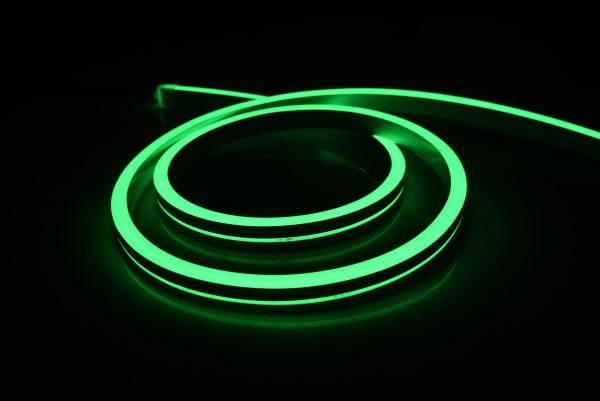
Over the next 5–10 years, we expect rapid shifts in how lighting systems are designed, controlled, and applied across engineering projects. At LEDIA Lighting, we continue to study how materials, efficiency, and smart control integration will reshape the role of neon LED strip and LED light strip solutions in indoor and outdoor environments. From our perspective as a manufacturer serving B2B clients, demand is moving toward more stable optical performance, simplified installation structures, and better environmental resistance. The evolution of LEDIA Lighting products is closely connected with project-based requirements from contractors and system integrators. We observe that neon LED strip and LED light strip applications are increasingly integrated into architectural and commercial lighting systems rather than isolated decorative use today.
Material Development and System Integration
We focus on how material upgrades and control integration will influence future lighting systems for engineering projects One clear direction we see is the growing requirement for more adaptable optical structures, especially in neon LED strip applications used in architectural façades and commercial installations. As control systems become more interconnected, lighting products are expected to respond more precisely to different environments without increasing installation complexity. From our experience, contractors and system integrators are prioritizing solutions that balance performance stability with flexible deployment, rather than relying on overly complex configurations. We also observe increasing interest in systems that can integrate with building automation networks, helping project teams manage energy use and operational efficiency more consistently across large installations.
Manufacturing Capability and Compliance Focus
At LEDIA Lighting, our production and testing infrastructure is designed to support consistent quality control across different lighting product categories. Our manufacturing system includes advanced facilities and a CNAS-accredited laboratory, which helps ensure reliability for LED light strip solutions used in engineering projects. We also align our products with international certification requirements such as CCC, UL, ETL, CE, RoHS, TUV, SAA, DLC, and ENEC to support global engineering applications. Our team has more than 20 years of experience in the lighting industry, supported by two R&D groups with 20 engineers and an average of over 15 years of technical background. We maintain 15,000 square meters production space and flexible FOB logistics to support timely project delivery for international clients requirements.
Conclusion: Future Integration in Project Lighting
Looking ahead, we at LEDIA Lighting believe lighting systems will continue to evolve toward more integrated and application-oriented designs across engineering projects. Within this trend, neon LED strip solutions are expected to play a more important role in architectural and commercial environments where flexibility and durability are required. As for LED light strip, we see continued demand from engineering contractors who prioritize stable performance and compatibility with smart control systems. We continue to refine our manufacturing approach by combining long-term industry experience with certified testing systems, ensuring consistent performance across diverse project requirements in global markets today. We aim to support B2B partners with reliable solutions that align with evolving industry expectations and practical installation needs across different regions and projects consistently.