



-
Recessed Lighting Spacing for Kitchens and Living Rooms
Master the perfect recessed lighting layout. Learn how to space ceiling lights in your kitchen and living room to eliminate shadows and create the ideal ambiance.Read more -
4-Inch vs. 6-Inch Recessed Lighting: How to Choose the Right Size for Your Ceiling
Deciding between 4-inch and 6-inch recessed lights? Discover the best size for your ceiling height, room style, and lighting goals in this comprehensive guide.Read more -
2026 Lighting Power Density: Energy Code Compliance Path, Energy Codes (with LPD Calculator & 2026 Section 179 Calculator)
The latest 2026 Lighting Power Density (LPD) requirements. A comprehensive guide to energy codes for sustainable commercial lighting.Read more
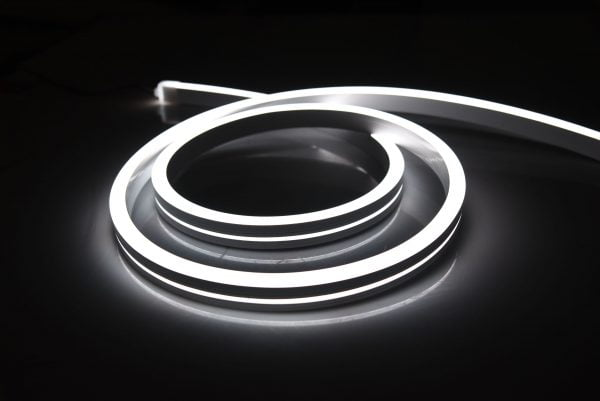
How LED Strip Lighting Reduces Environmental Impact in Commercial Projects
- 2 Apr 2024
When we work with large-scale lighting projects, we often evaluate how different technologies influence long-term environmental performance. At LEDIA Lighting, our focus is on helping B2B clients transition from traditional incandescent or fluorescent systems to more efficient solutions such as LED light strip systems. In many engineering and commercial applications, this shift is not only about energy use but also about reducing maintenance frequency and material waste. Compared with older lighting technologies, LED-based systems require fewer replacements over time, which indirectly reduces manufacturing demand and disposal volume. In outdoor and architectural projects, products such as neon LED strip solutions are increasingly adopted because they provide consistent illumination with lower energy consumption, supporting more sustainable operational planning for contractors and facility managers.
Energy Efficiency and Resource Optimization
One of the main environmental benefits we observe in our projects is energy reduction. LED light strip generally operates with significantly lower power demand compared to incandescent or fluorescent alternatives, which helps reduce overall electricity consumption in commercial buildings and infrastructure lighting. At LEDIA Lighting, our engineering teams design lighting systems that prioritize stable optical performance while maintaining efficient energy use. The structure of neon LED strip products also allows better light distribution, which reduces the need for excessive fixture installation. From a B2B perspective, this means fewer materials are required for equivalent lighting coverage. Over time, such optimization contributes to reduced carbon output associated with power generation and material production, making it a practical choice for sustainable engineering projects.
Durability and Waste Reduction in Real Applications
Another important environmental factor is product lifespan. In many commercial installations, frequent replacement of lighting systems leads to additional waste generation and operational disruption. Our LED light strip solutions are designed to support longer usage cycles, reducing the frequency of maintenance interventions. Within LEDIA Lighting, we also integrate robust structural designs into neon LED strip products to ensure stable performance in both indoor and outdoor environments. This durability is particularly valuable for engineering contractors managing large facilities, as it reduces logistics demand and material disposal over time. With fewer replacements required, the overall environmental footprint of lighting infrastructure becomes more manageable without compromising functional requirements.
Conclusion: Supporting Sustainable B2B Lighting Decisions
From a project development perspective, we see clear environmental advantages when transitioning to LED-based systems. At LEDIA Lighting, both LED light strip and neon LED strip solutions are designed to support energy-efficient and long-life applications across commercial and engineering sectors. By reducing energy consumption, minimizing material usage, and extending operational lifespan, these systems provide a practical pathway toward lower environmental impact in large-scale lighting projects.