



-
Recessed Lighting Spacing for Kitchens and Living Rooms
Master the perfect recessed lighting layout. Learn how to space ceiling lights in your kitchen and living room to eliminate shadows and create the ideal ambiance.Read more -
4-Inch vs. 6-Inch Recessed Lighting: How to Choose the Right Size for Your Ceiling
Deciding between 4-inch and 6-inch recessed lights? Discover the best size for your ceiling height, room style, and lighting goals in this comprehensive guide.Read more -
2026 Lighting Power Density: Energy Code Compliance Path, Energy Codes (with LPD Calculator & 2026 Section 179 Calculator)
The latest 2026 Lighting Power Density (LPD) requirements. A comprehensive guide to energy codes for sustainable commercial lighting.Read more
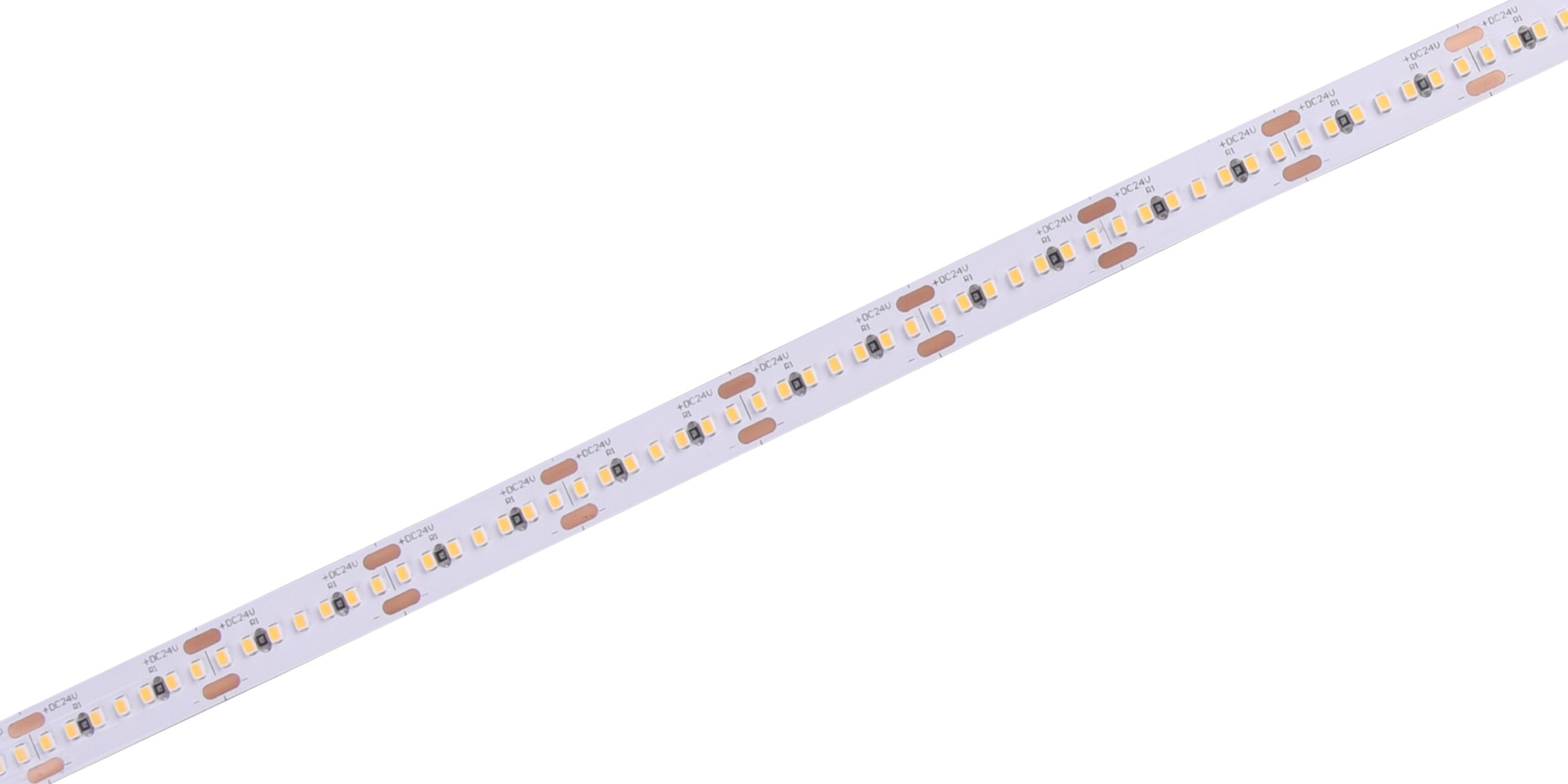
Ensuring Reliability Through Comprehensive Outdoor Strip Testing
- 3 Sep 2024
As LEDIA Lighting, we understand that developing reliable outdoor lighting begins with a clear commitment to safety and performance. When we introduce solutions such as our 2219 Series, we focus on how an outdoor system can maintain steady output in changing environments. For this reason, we always evaluate how an LED light strip behaves under long-term stress, moisture exposure, and continuous operation. These evaluations help us refine our process and ensure that each model meets the expectations of engineering projects and commercial spaces. The 2219 Series features a dense chip layout, consistent color, LM80-certified SMD, and optional waterproof levels ranging from IP20 to IP68, all of which contribute to stable operation in offices, residences, retail interiors, and decorative installations.

Environmental Protection and Durability Tests
When we work with outdoor LED strip lights, we run structured tests that verify whether the materials can endure seasonal changes and external impact. Environmental chamber tests simulate cycles of high temperature, low temperature, and humidity to confirm that an LED light strip maintains brightness without deformation. UV-resistance tests further ensure that the outer coating will not discolor under long-term sunlight exposure. To reflect our manufacturing approach, we combine these tests with the available waterproof ratings of our 2219 Series. These IP20, IP65, IP67, and IP68 options allow us to match each environment precisely, giving our company flexibility to support architects, project contractors, and distributors who need dependable lighting for open-air installations.
Electrical Safety and Performance Stability
A critical part of validating outdoor LED strip lights is ensuring electrical safety. We examine surge protection, insulation strength, and tolerance under continuous operation. Load tests confirm that each LED light strip remains stable when used for extended hours, while photometric evaluations verify output uniformity and color consistency. Our LM80-certified chips in the 2219 Series support long-term lumen maintenance, and optional CRI 80+ or 90+ configurations help us meet application-specific requirements. Through these procedures, we uphold safety expectations while ensuring that our company’s solutions remain practical for engineering project usage.
Water Resistance and Mechanical Verification
For outdoor LED strip lights, waterproof verification is essential. We rely on immersion tests, spray tests, and mechanical sealing inspections to confirm that connectors and coatings perform correctly. Each LED light strip must resist moisture ingress at the selected IP level while also withstanding bending and installation stress. By following these inspection routines, we ensure that the 2219 Series matches user needs for decorative facades, landscape structures, and semi-protected architectural features. With three-year warranty coverage, we aim to offer reliable performance without overstating any capability.
Conclusion
In our daily work at LEDIA Lighting, we focus on realistic testing methods that confirm actual performance in practical environments. We apply these standards equally to every LED light strip, especially when it forms part of outdoor LED strip lights installations. By combining environmental, electrical, waterproof, and mechanical testing, we help the 2219 Series meet project demands consistently. Our approach reflects our goal of providing dependable solutions supported by structured evaluation and long-term experience.