



-
Recessed Lighting Spacing for Kitchens and Living Rooms
Master the perfect recessed lighting layout. Learn how to space ceiling lights in your kitchen and living room to eliminate shadows and create the ideal ambiance.Read more -
4-Inch vs. 6-Inch Recessed Lighting: How to Choose the Right Size for Your Ceiling
Deciding between 4-inch and 6-inch recessed lights? Discover the best size for your ceiling height, room style, and lighting goals in this comprehensive guide.Read more -
2026 Lighting Power Density: Energy Code Compliance Path, Energy Codes (with LPD Calculator & 2026 Section 179 Calculator)
The latest 2026 Lighting Power Density (LPD) requirements. A comprehensive guide to energy codes for sustainable commercial lighting.Read more
Can LED Light Strips Be Reused in Professional Lighting Projects?
- 10 Apr 2024
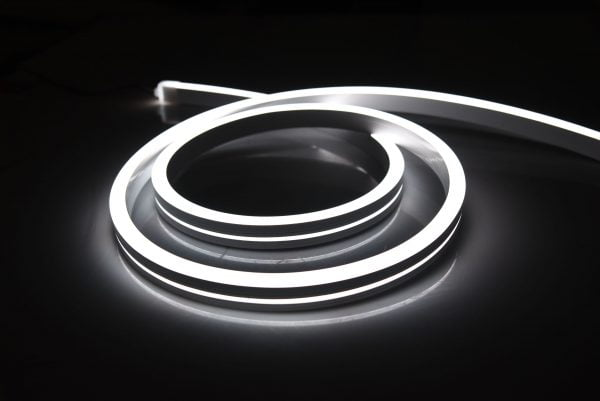
At LEDIA Lighting, we often receive questions from project clients asking whether lighting components can be reused after installation changes or system upgrades. In many B2B lighting projects, flexibility matters as much as performance. When we design solutions such as neon LED strip, we consider how installation environments may evolve over time. A LED light strip is generally built for modular use, meaning sections can often be repositioned or reinstalled if handled correctly during removal. However, reuse is not only about physical removal—it also depends on system compatibility, adhesive condition, and electrical stability after first installation.
Technical Factors That Influence Reuse Potential
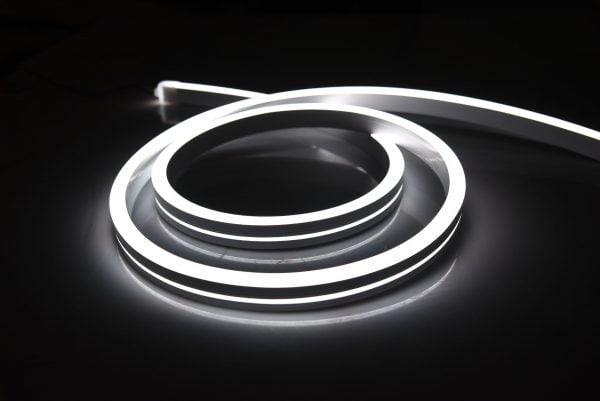
From our engineering experience at LEDIA Lighting, the possibility of reusing a neon LED strip depends largely on how the product is integrated into the lighting system. Our LED light strip solutions are designed with durability in mind, including stable circuit design and flexible installation structure, which supports controlled disassembly in some project environments. In commercial applications such as retail chains or engineering projects, lighting layouts may change, so contractors sometimes plan for partial reuse. However, we always recommend evaluating insulation integrity and connector performance before reinstallation to maintain stable operation in new setups. In addition, environmental exposure, installation method, and maintenance history can also influence whether reuse is technically reliable in real project conditions, especially when the strip has been operating for long hours or under outdoor conditions where temperature and humidity variations may affect long-term performance stability.
Project Applications and System Considerations
In our project experience, reuse scenarios are more common in temporary installations, showroom adjustments, or pilot lighting systems. A neon LED strip used in architectural or outdoor environments is usually exposed to environmental stress, which can reduce reuse suitability. Meanwhile, a LED light strip applied in indoor engineering projects may have better chances of being reinstalled if it remains in good physical condition. We also support clients with product structures designed for easier maintenance, which helps engineering teams manage lighting upgrades more efficiently without full system replacement.
Conclusion
At LEDIA Lighting, we understand that B2B clients value both performance stability and installation flexibility. While a neon LED strip or a LED light strip can sometimes be reused, the decision depends on project conditions, installation method, and system safety requirements. Our lighting solutions are developed under strict quality control, supported by over 20 years of industry experience, 2 R&D teams, and certifications such as UL, CE, and RoHS, helping ensure reliable performance even in complex engineering environments.