



-
Recessed Lighting Spacing for Kitchens and Living Rooms
Master the perfect recessed lighting layout. Learn how to space ceiling lights in your kitchen and living room to eliminate shadows and create the ideal ambiance.Read more -
4-Inch vs. 6-Inch Recessed Lighting: How to Choose the Right Size for Your Ceiling
Deciding between 4-inch and 6-inch recessed lights? Discover the best size for your ceiling height, room style, and lighting goals in this comprehensive guide.Read more -
2026 Lighting Power Density: Energy Code Compliance Path, Energy Codes (with LPD Calculator & 2026 Section 179 Calculator)
The latest 2026 Lighting Power Density (LPD) requirements. A comprehensive guide to energy codes for sustainable commercial lighting.Read more
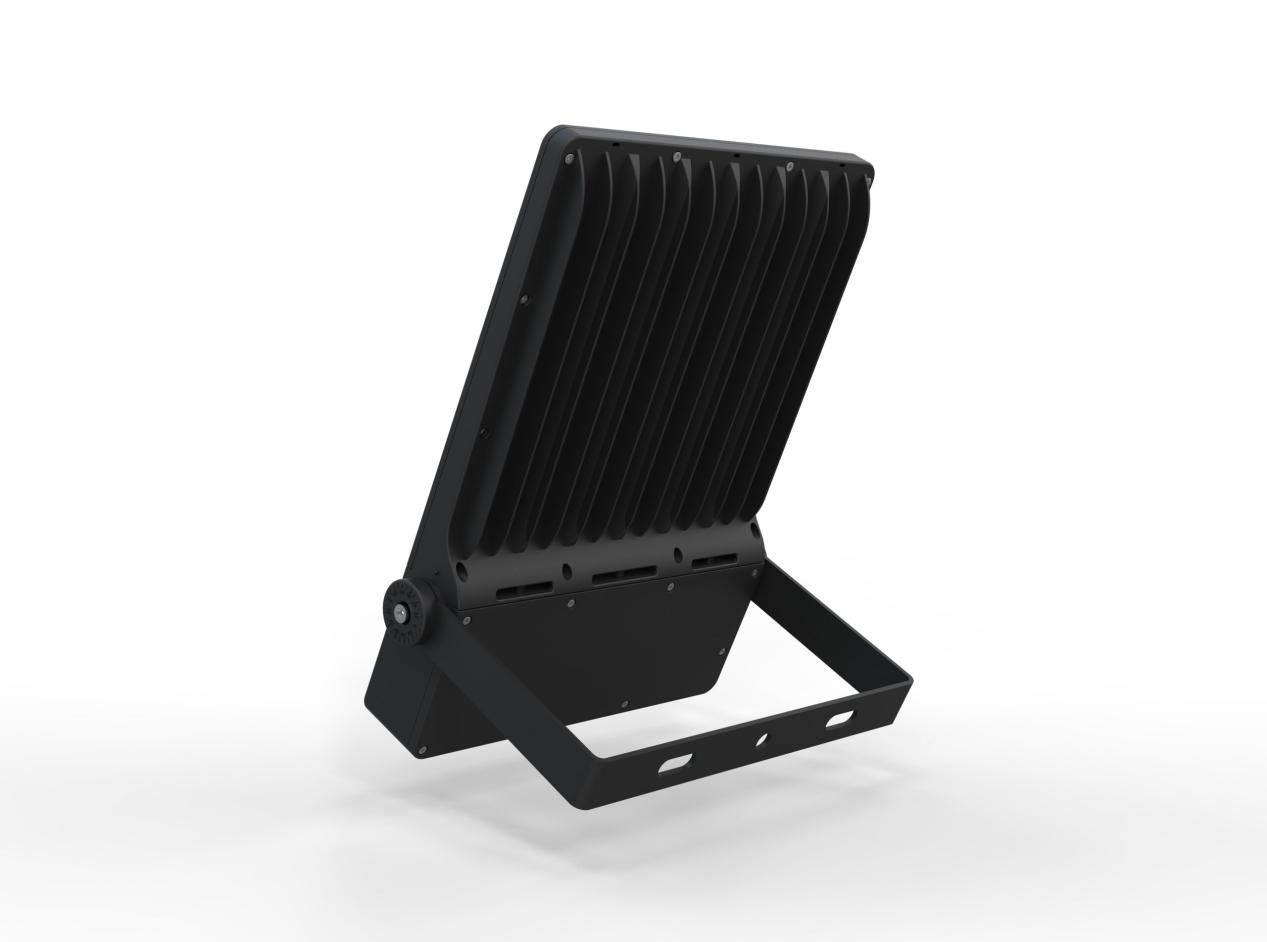
What Is the Best Material for Outdoor Lighting Fixtures
- 21 Jan 2025
As we design and manufacture lighting for long-term use, we often evaluate how different materials perform in real project environments. At LEDIA Lighting, we work closely with partners who rely on durable outdoor light fixtures for commercial areas, façades, and landscape settings. From our perspective, the best material must balance corrosion resistance, structural stability, heat management, and long service performance.

Understanding Key Material Requirements for Outdoor Installations
When we develop outdoor light fixtures for engineering contractors and supermarket chains, we focus on steady performance under varying weather conditions. Materials such as aluminum, stainless steel, and UV-resistant polymers are commonly considered. Based on our experience, aluminum proves to be a practical choice because it supports efficient heat dissipation and maintains stable structure under outdoor temperature shifts. Our team has spent more than 20 years in the lighting industry refining these selections, supported by our 15,000sqm workspace, 1,000sqm labs, and CNAS-accredited facilities. For projects requiring precise illumination, our LED flood lights allow us to apply these material advantages effectively without compromising installation flexibility.
Why Aluminum Continues to Be a Reliable Option
In most project cases, aluminum provides several benefits that match the demands of commercial users. It helps control weight during installation, handles corrosion in outdoor environments, and works well with modern heat-sink structures. At LEDIA Lighting, these qualities support our work on the D Series Flood Light, which integrates a super-slim profile of about 60mm thickness while maintaining mechanical strength. This series also offers beam angles of 30°/60°/90°/120°/TYPE2/TYPE3/TYPE4, and the scale marks on both sides help users measure angles precisely. When we produce LED flood lights, stable material behavior is essential for long-term service life, especially when intelligent functions such as a DC 12V auxiliary option and ZHAGA compatibility are included.
Applying Material Selection to Real Project Settings
We support a wide range of engineering projects, and material performance directly affects results. For example, our partners value the energy-saving levels available in the D Series Flood Light, with 140LM/W and 170LM/W options. Such efficiency requires consistent thermal management, which aluminum supports well. Our outdoor light fixtures must also meet CCC, UL/ETL, CE, ROHS, TUV, SAA, DLC, and ENEC certifications, and material consistency plays a role in maintaining these standards. When we design fixtures for different mounting methods or structural layouts, aluminum allows us to adapt forms while keeping installation stable and straightforward.
Conclusion: Selecting the Most Suitable Material
After years of working with engineering clients, we have found that aluminum consistently meets the key requirements for outdoor light fixtures. At LEDIA Lighting, we apply this material in our LED flood lights to support long-term outdoor operation, efficient heat control, and reliable structure. While each project presents unique conditions, aluminum remains a balanced and dependable option. Our D Series Flood Light reflects this approach, combining intelligent functions, flexible mounting, and stable performance to serve a range of outdoor applications.