



-
Recessed Lighting Spacing for Kitchens and Living Rooms
Master the perfect recessed lighting layout. Learn how to space ceiling lights in your kitchen and living room to eliminate shadows and create the ideal ambiance.Read more -
4-Inch vs. 6-Inch Recessed Lighting: How to Choose the Right Size for Your Ceiling
Deciding between 4-inch and 6-inch recessed lights? Discover the best size for your ceiling height, room style, and lighting goals in this comprehensive guide.Read more -
2026 Lighting Power Density: Energy Code Compliance Path, Energy Codes (with LPD Calculator & 2026 Section 179 Calculator)
The latest 2026 Lighting Power Density (LPD) requirements. A comprehensive guide to energy codes for sustainable commercial lighting.Read more
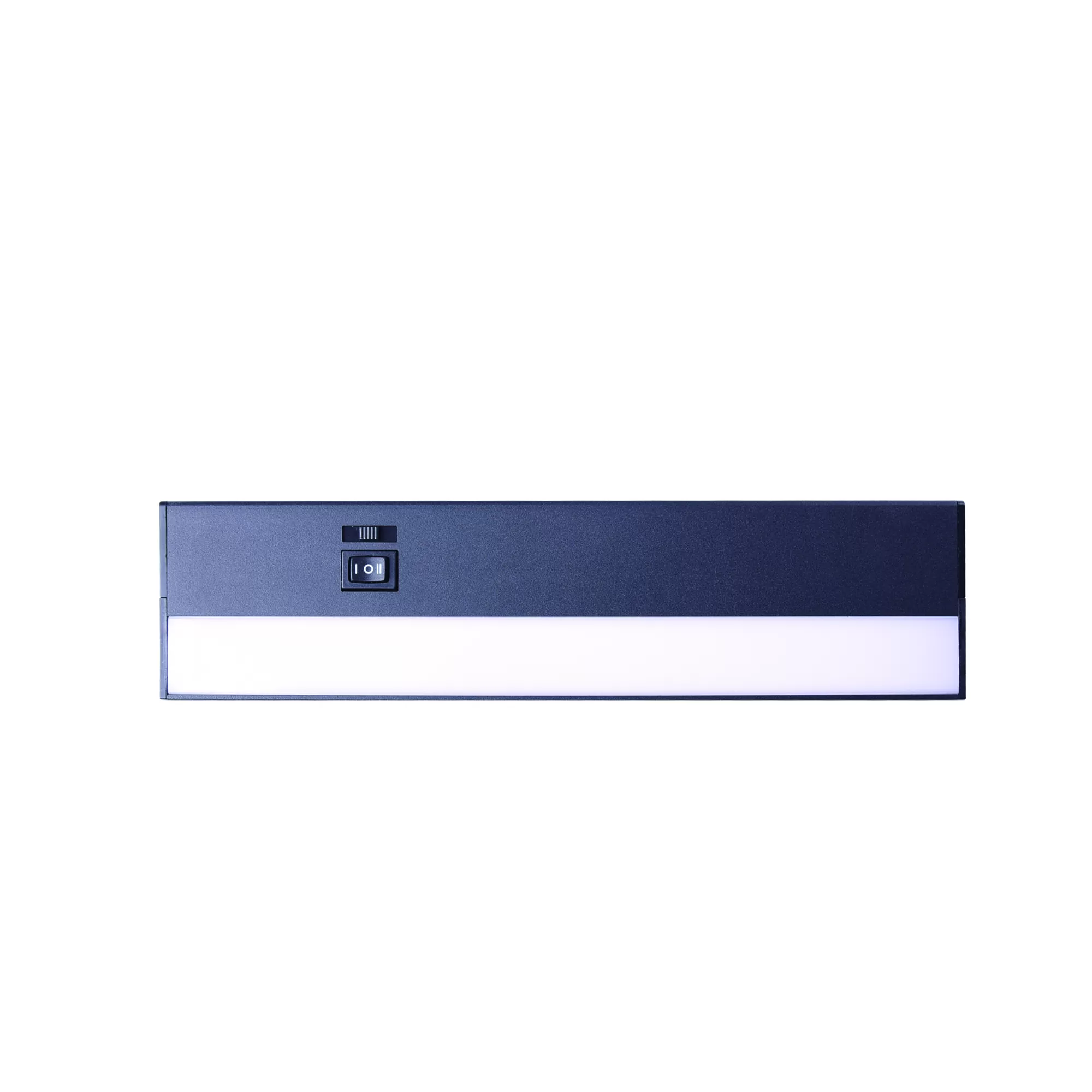
The Real Cost of Light: A Look Beyond the Bulb
- 18 Feb 2024
We often speak with facility managers who are focused on the initial price of a lighting system. However, our experience has taught us that the true expense lies in the long-term upkeep. The maintenance schedules and costs between traditional lighting and modern LED systems are worlds apart, and understanding this difference is crucial for making a smart investment. At our core, we believe in providing lighting that works for your business, not one that creates constant work for your team.

The Burden of Traditional Lighting Maintenance
Traditional lighting systems, like metal halide or fluorescent, operate on a predictable but costly cycle. Their components, especially the bulbs and ballasts, have a much shorter lifespan. This means your maintenance crew is regularly engaged in a time-consuming and repetitive process: identifying burnt-out lamps, sourcing replacements, and performing the physical swap, often from ladders or lifts in hard-to-reach areas. This reactive approach doesn’t just consume labor hours; it also leads to inconsistent light levels between replacements and creates a disposal stream for hazardous materials like mercury. The cumulative cost of bulbs, labor, and downtime forms a significant, recurring financial drain that many businesses underestimate when they look only at the purchase price.
How LED Technology Redefines Upkeep
This is where the fundamental advantages of LED technology come to the fore. LEDs are solid-state devices with no filaments to burn out or glass to break. Their exceptionally long lifespan—often 50,000 to 100,000 hours—dramatically alters the maintenance paradigm. Instead of a frequent replacement cycle, you shift to a model of predictable, planned longevity. For a professional LED Lighting manufacturer, quality is paramount. Our products are engineered not just for efficiency, but for durability and reliability. This robust construction means the system operates for years with minimal intervention, allowing your team to focus on more critical tasks rather than routine bulb changes.
Translating Longevity into Tangible Business Value
The extended lifespan of an LED commercial lighting system delivers direct, tangible benefits to your operation. First, you achieve substantial labor savings, as your maintenance staff spends drastically less time on lighting-related tasks. Second, you enhance safety by reducing the need for working at heights. Third, you gain consistency; the light output remains stable over time, with minimal lumen depreciation. At LEDIA Lighting, our commitment to innovation is backed by significant investment in research and development. We operate state-level CNAS testing laboratories to rigorously validate the performance and longevity of every product, ensuring they meet international certifications like UL, ETL, and CE. This process guarantees that the long-life promise of LED technology is a reality in your facility.
Conclusion
When you evaluate your lighting options, we encourage you to look beyond the initial invoice. The real savings and operational ease are found in the dramatically reduced maintenance demands of a high-quality LED system. By choosing a partner committed to engineering and quality, you are not just buying lights; you are investing in years of reliable, hassle-free illumination that protects your budget and empowers your team.