



-
Recessed Lighting Spacing for Kitchens and Living Rooms
Master the perfect recessed lighting layout. Learn how to space ceiling lights in your kitchen and living room to eliminate shadows and create the ideal ambiance.Read more -
4-Inch vs. 6-Inch Recessed Lighting: How to Choose the Right Size for Your Ceiling
Deciding between 4-inch and 6-inch recessed lights? Discover the best size for your ceiling height, room style, and lighting goals in this comprehensive guide.Read more -
2026 Lighting Power Density: Energy Code Compliance Path, Energy Codes (with LPD Calculator & 2026 Section 179 Calculator)
The latest 2026 Lighting Power Density (LPD) requirements. A comprehensive guide to energy codes for sustainable commercial lighting.Read more
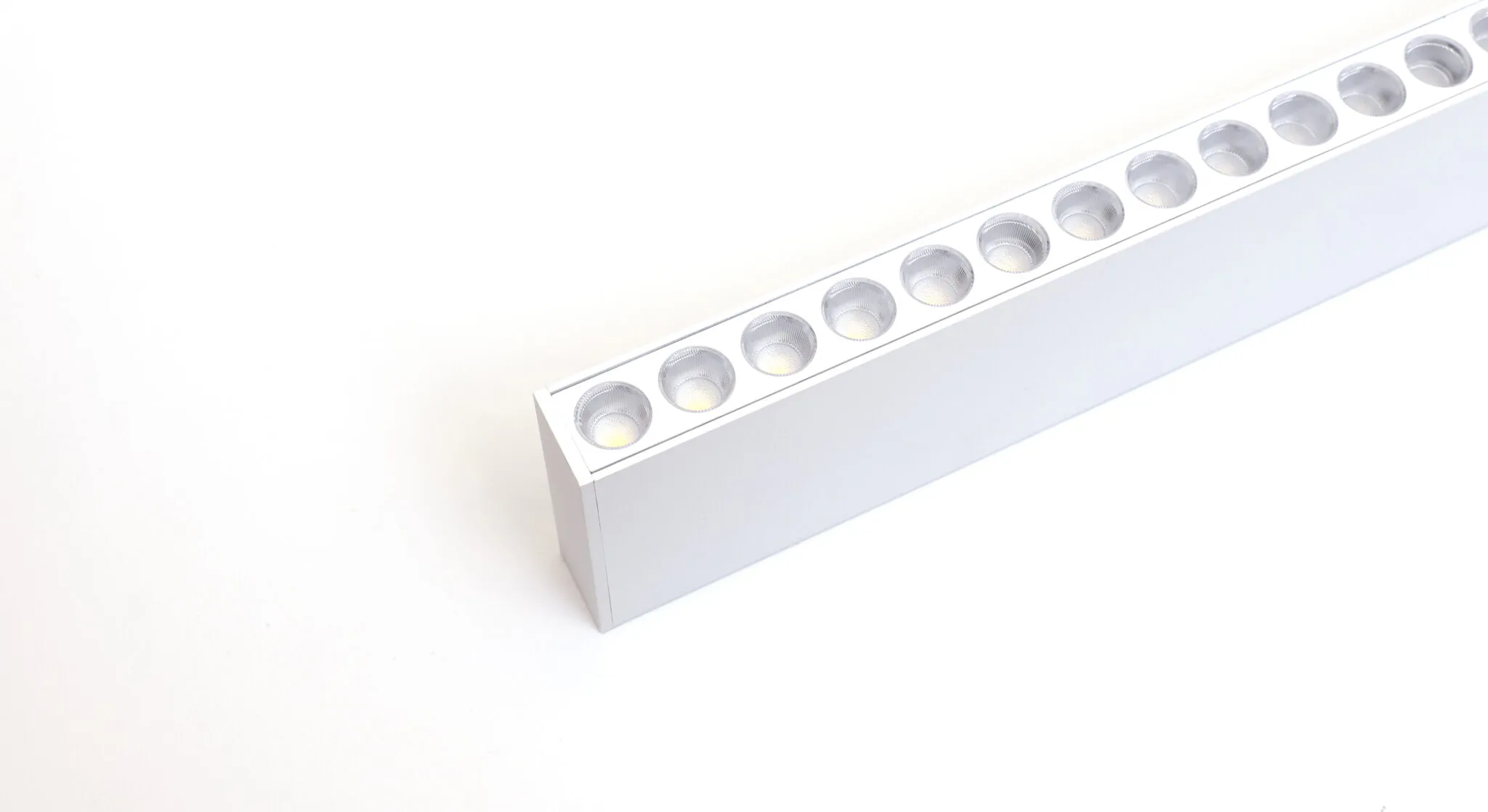
The Geometry of Light: Balancing Height, Spacing, and Output
- 23 Jun 2024
Getting illumination right in a space with high ceilings involves more than just installing powerful lights. It requires a careful balance between three connected factors: how high the lights are hung, how far apart they are placed, and their intensity. The relationship between mounting height, fixture spacing, and lumen output dictates the final result—influencing uniformity, shadow control, and overall visibility. A well-planned layout for high bay LED light fixtures creates a consistent and effective visual environment for the tasks below.
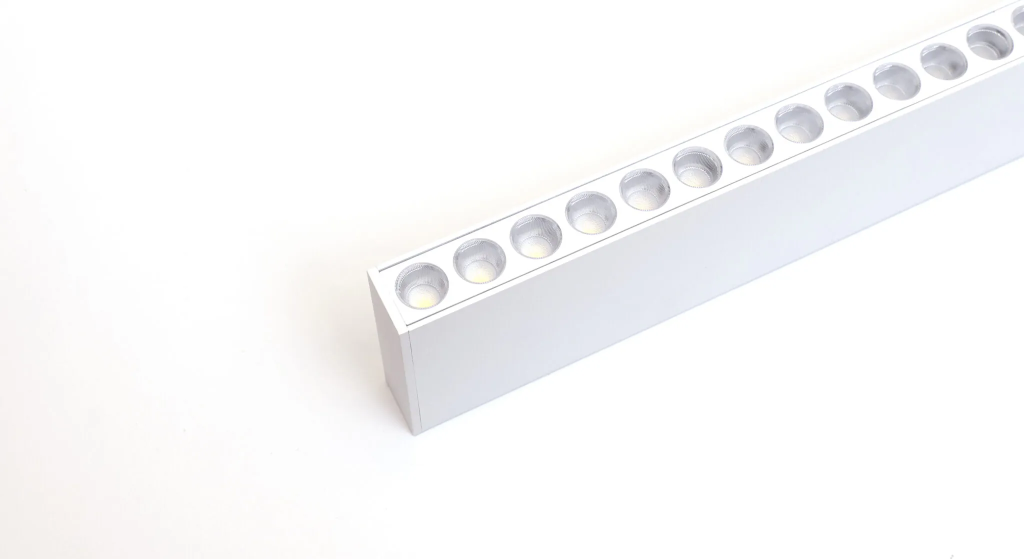
The Influence of Mounting Height on Light Spread
The elevation of your fixture LED lighting serves as the primary governor of its coverage area. As mounting height increases, the beam from each high bay LED light fixture must travel further and cover a larger floor area. This often means that the light intensity at floor level diminishes if the lumen output is not adjusted accordingly. A higher placement can help reduce glare for workers, but it demands a fixture with a robust lumen package or a specific optic design to project light effectively over agreater distance. The correct height ensures the light pattern from each fixture LED lighting unit merges smoothly with the next.
Determining Optimal Fixture Spacing for Consistency
Spacing is the variable that directly addresses the uniformity of light across a workspace. Placing high bay LED light fixtures too far apart creates pools of bright light with dim areas in between, leading to an uneven and visually taxing environment. The objective is to achieve a seamless blanket of illumination without dark spots. The spacing ratio, a calculation provided by an LED lighting manufacturer, guides this process. It describes the relationship between the mounting height and the maximum distance between fixtures to maintain consistent light levels. Adhering to this ratio for your high bay LED light fixtures is fundamental for a successful installation.
Selecting the Correct Lumen Output Package
Lumen output is the variable that compensates for the decisions made regarding height and spacing. Once the mounting height and planned spacing are established, the required lumen output for each fixture LED lighting unit becomes clear. A higher ceiling or wider spacing generally calls for a fixture with a greater lumen output to maintain desired light levels on the work plane. Conversely, a lower mounting height or tighter spacing might allow for a lower-output fixture. The goal is to specify a high bay LED light fixtures solution that delivers the precise intensity needed without underlighting or wasting energy on over-illumination.
Achieving a successful high bay installation is an exercise in harmonizing these three core principles. Each factor influences the others, and a change to one necessitates a review of the remaining two. This integrated approach prevents common issues like dark spots, excessive brightness, and energy waste. Our team at LEDIA Lighting focuses on this precise calculus. We provide the high bay LED light fixtures and expert support to help you navigate these relationships, ensuring your fixture LED lighting layout delivers optimal performance and efficiency for your specific space.