



-
Recessed Lighting Spacing for Kitchens and Living Rooms
Master the perfect recessed lighting layout. Learn how to space ceiling lights in your kitchen and living room to eliminate shadows and create the ideal ambiance.Read more -
4-Inch vs. 6-Inch Recessed Lighting: How to Choose the Right Size for Your Ceiling
Deciding between 4-inch and 6-inch recessed lights? Discover the best size for your ceiling height, room style, and lighting goals in this comprehensive guide.Read more -
2026 Lighting Power Density: Energy Code Compliance Path, Energy Codes (with LPD Calculator & 2026 Section 179 Calculator)
The latest 2026 Lighting Power Density (LPD) requirements. A comprehensive guide to energy codes for sustainable commercial lighting.Read more
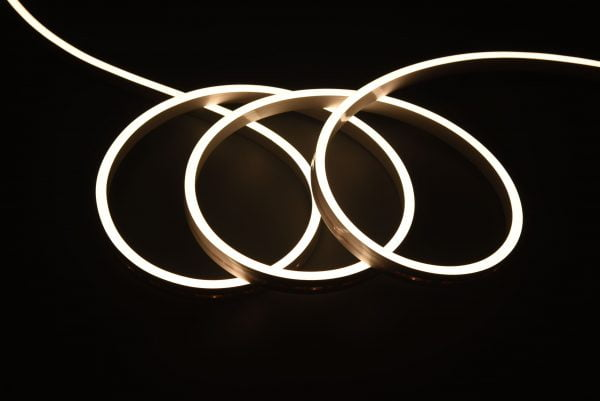
Selecting the Right Diffuser Material and Shape for LED Strip Light Applications
- 10 Apr 2024
In our work with LEDIA Lighting, we often see that the performance of LED strip lighting systems and diffuser LED strip light configurations is closely related to how the diffuser is selected and applied. For B2B lighting projects, we begin by understanding how the final light effect should appear in real environments such as retail spaces, building facades, or commercial interiors. As an LED strip light supplier, we recognize that diffuser selection is critical for controlling beam angles, minimizing glare, and achieving high light transmission in professional installations. Different engineering projects require different visual outcomes, and this becomes the starting point of our evaluation process.
Material Behavior and Its Impact on Light Quality
When working with LED strip lighting, especially diffuser LED strip light solutions, we carefully evaluate how diffuser materials influence optical performance and long-term stability. Materials such as silicone or polycarbonate are commonly used depending on installation environment and project requirements. At LEDIA Lighting, our engineering process focuses on how these materials perform under continuous operation, particularly in light transmission consistency and structural reliability. As an LED strip light supplier, we also consider flexibility requirements, since some applications involve curved installations while others require straight linear lighting layouts in diffuser LED strip light systems.
Diffuser Shape and Its Role in Light Distribution
The shape of a diffuser directly affects how light is distributed in LED strip lighting and diffuser LED strip light systems. Flat profiles, semi-rounded designs, and frosted structures each produce different lighting characteristics, ranging from more focused output to softer and more diffused illumination. In commercial and architectural projects, we match diffuser shapes with installation environments to achieve balanced visual performance. At LEDIA Lighting, we integrate diffuser geometry into the overall lighting system design, ensuring that diffuser LED strip light output aligns with engineering expectations rather than being treated as an independent component.
System Integration in Real Project Applications
In real engineering applications, LED strip lighting must operate as part of a complete system rather than a standalone product, especially in diffuser LED strip light installations. As an LED strip light supplier, we ensure that diffuser selection aligns with structural design, installation method, and electrical configuration. This system-level approach helps maintain stable lighting performance across different project conditions, including large-scale commercial and architectural environments. At LEDIA Lighting, diffuser design is always evaluated together with the LED structure to ensure consistent and predictable results in diffuser LED strip light applications.
Conclusion
Choosing the right diffuser material and shape is a key step in achieving the expected lighting effect in LED strip lighting and diffuser LED strip light projects. Through our experience at LEDIA Lighting as an LED strip light supplier, we evaluate material properties, diffuser geometry, and application conditions in a unified engineering approach. This allows us to support B2B projects with lighting solutions that are consistent, practical, and suitable for diverse commercial applications involving diffuser LED strip light systems.