



-
Recessed Lighting Spacing for Kitchens and Living Rooms
Master the perfect recessed lighting layout. Learn how to space ceiling lights in your kitchen and living room to eliminate shadows and create the ideal ambiance.Read more -
4-Inch vs. 6-Inch Recessed Lighting: How to Choose the Right Size for Your Ceiling
Deciding between 4-inch and 6-inch recessed lights? Discover the best size for your ceiling height, room style, and lighting goals in this comprehensive guide.Read more -
2026 Lighting Power Density: Energy Code Compliance Path, Energy Codes (with LPD Calculator & 2026 Section 179 Calculator)
The latest 2026 Lighting Power Density (LPD) requirements. A comprehensive guide to energy codes for sustainable commercial lighting.Read more
Practical Steps for Adding a Fan to an Outdoor Lighting System
- 16 Aug 2024
At LEDIA Lighting, we often receive questions about improving airflow and stability when customers modify outdoor LED light fixtures. In our daily work, we focus on real installation conditions rather than theory, so this article summarizes how we approach integrating a small fan into a system that already includes fixture LED lighting. Before any adjustment, we evaluate real-use scenarios to make sure the lighting structure remains safe and functional.

Understanding the Structure of the Fixture
When we prepare a project that involves outdoor LED light fixtures, our first step is to observe how the housing is designed and how much space is available. Because the structure varies by project, we usually confirm whether the internal layout allows additional components without affecting the operation of the fixture LED lighting system. During this phase, we also consider ventilation paths, wiring routes, and any protective covers that may need repositioning. Whenever we choose a fan model, we stay within practical options that match outdoor environments, including moisture resistance and basic sealing requirements. We also check that the lighting feature—especially the linear products we supply—keeps its original performance after integration.
Installation Steps and Practical Notes
In our experience working with outdoor LED light fixtures, mounting a fan starts with confirming the bracket position. We secure the fan to an area that does not block the fixture LED lighting output. Then we handle wiring, ensuring the power input aligns with the system load. We always avoid running cables across heat-generating parts. When we install a fan in an outdoor unit, we also test the airflow direction to make sure the system receives consistent ventilation. Each test follows our internal practice: stable power check, vibration check, and a final outdoor condition simulation. Throughout these steps, we continue reviewing whether the modified housing still meets the basic weather-resistant behavior required for outdoor use.
Integrating Our Product Features into Project Use
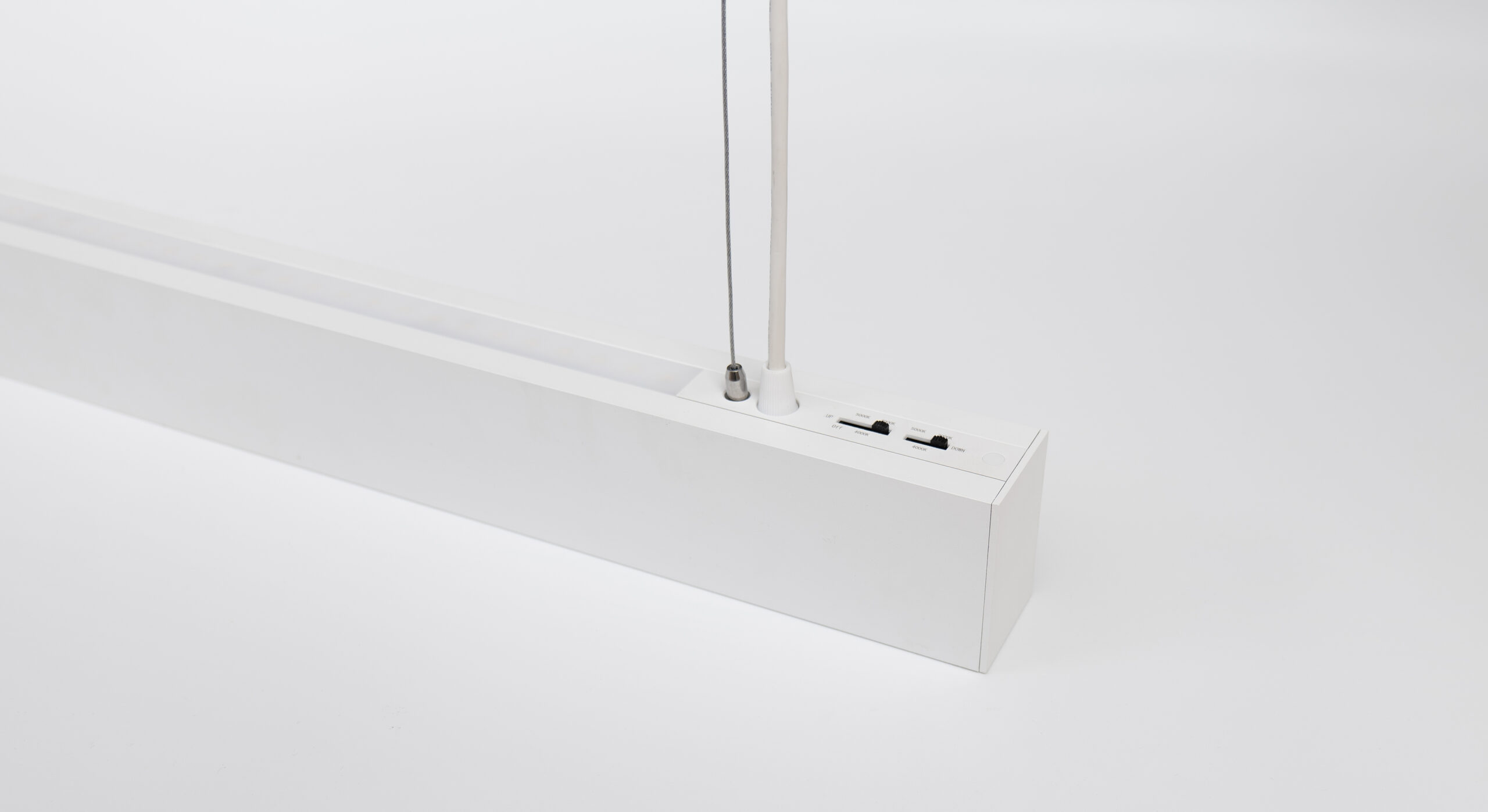
For project teams that use our outdoor LED light fixtures, many prefer linear solutions, especially our Linear Light and the LED Linear Light-Juno Series. As an innovative supplier, we develop suspended office lighting with efficient heat dissipation, allowing users to coordinate airflow needs more easily. Although the Juno Series is mainly for indoor offices, we built it with steady thermal management, so its design logic often guides how we advise clients when they request airflow adjustments in other systems containing fixture LED lighting. Our solutions align with energy-saving principles and smooth installation methods, ensuring each project keeps practical reliability.
Conclusion
When we plan how to install a fan within outdoor LED light fixtures, our approach is consistent and realistic. We assess structural conditions, evaluate airflow paths, and protect the working state of the fixture LED lighting setup. By combining these steps with the expertise we apply in our linear lighting products, we maintain clear guidance that supports safe and functional use across different outdoor environments.