



-
Recessed Lighting Spacing for Kitchens and Living Rooms
Master the perfect recessed lighting layout. Learn how to space ceiling lights in your kitchen and living room to eliminate shadows and create the ideal ambiance.Read more -
4-Inch vs. 6-Inch Recessed Lighting: How to Choose the Right Size for Your Ceiling
Deciding between 4-inch and 6-inch recessed lights? Discover the best size for your ceiling height, room style, and lighting goals in this comprehensive guide.Read more -
2026 Lighting Power Density: Energy Code Compliance Path, Energy Codes (with LPD Calculator & 2026 Section 179 Calculator)
The latest 2026 Lighting Power Density (LPD) requirements. A comprehensive guide to energy codes for sustainable commercial lighting.Read more
Powering and Connecting Extended Linear LED Installations
- 24 Jun 2024
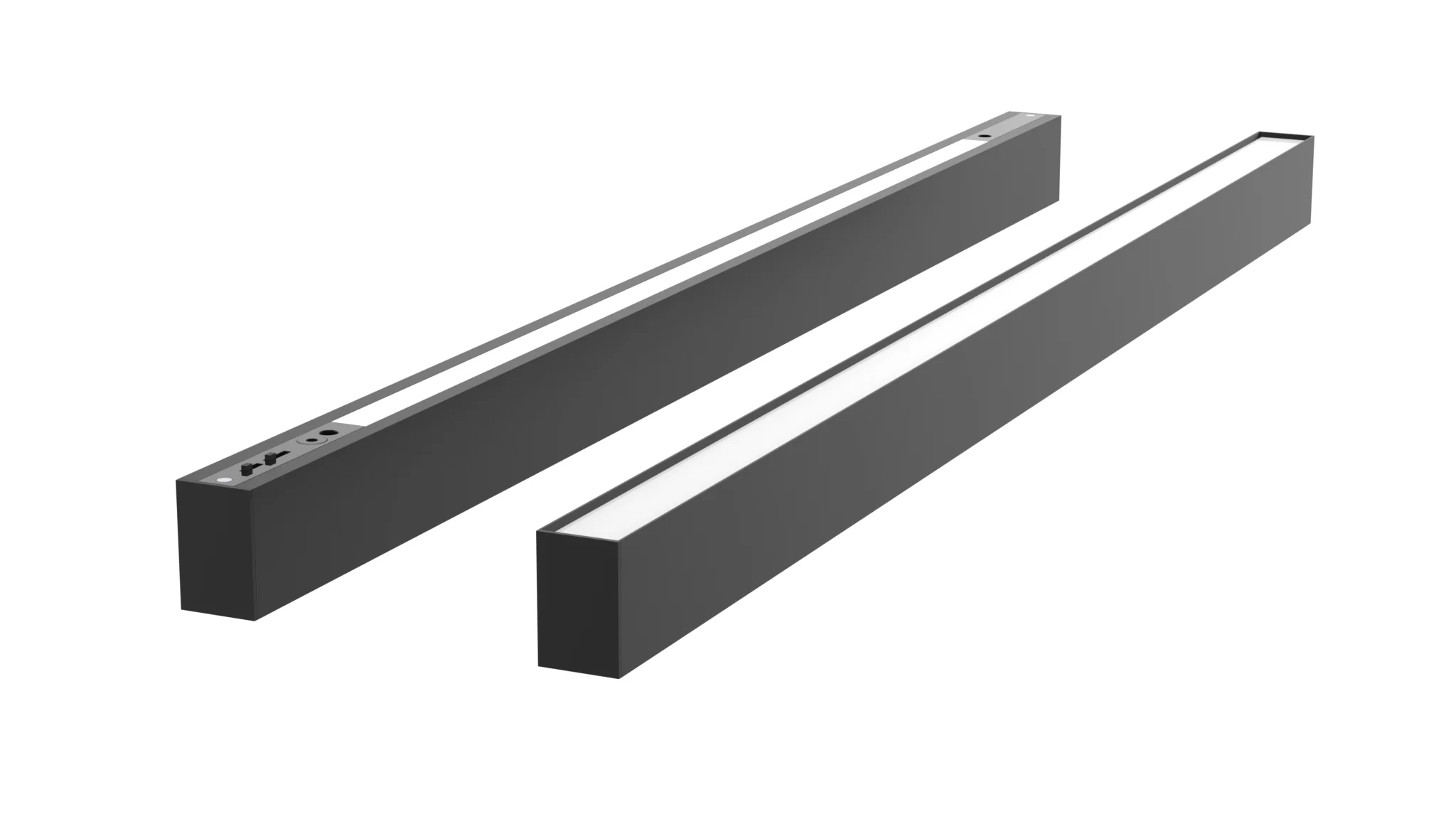
Powering a continuous run of linear lighting involves selecting from several reliable connection strategies. Each method offers distinct advantages for installation flexibility and operational control. We approach these configurations with a focus on electrical safety and seamless visual results. The chosen technique directly impacts the feasibility of a design and the long-term performance of the fixture LED lighting. Understanding these options is crucial for specifying a system that aligns with the project’s scale and complexity, ensuring the linear LED light fixture installation is both functional and efficient.
End-to-End Daisy Chaining for Simplified Layouts
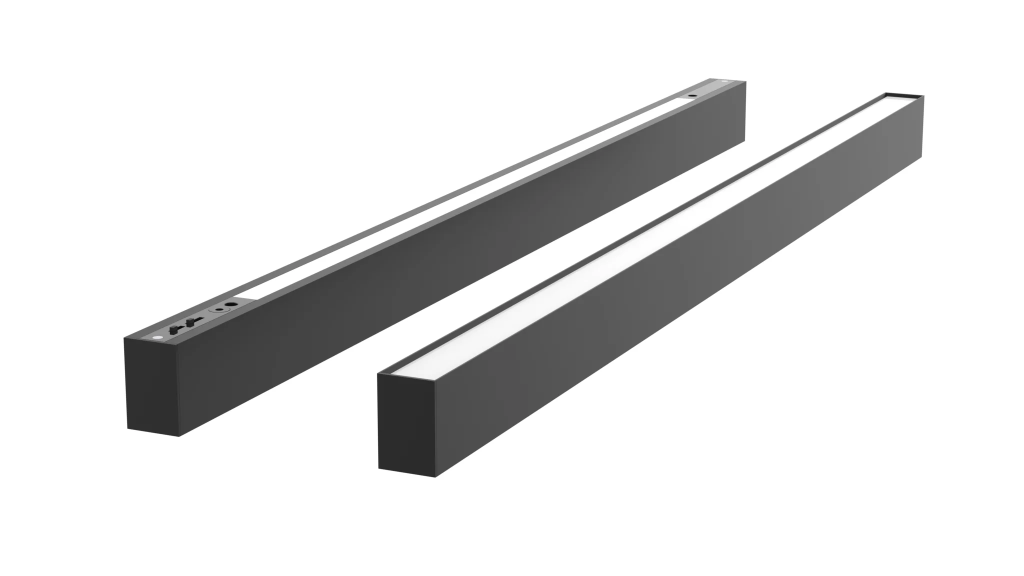
A common approach for connecting multiple fixtures is daisy chaining, where units are linked directly from one to the next. This method utilizes integrated connectors on the ends of each linear LED light fixture, creating a continuous electrical pathway from a single power feed. It is an efficient solution for long, straight runs, minimizing the amount of wiring needed between fixtures. The simplicity of this approach makes it a practical choice for many standard applications, allowing for a clean and streamlined installation of the fixture LED lighting with minimal visible wiring components.
Separate Power Feeds for Zoned and Large-Scale Systems
In larger installations or designs requiring zoning, providing separate power feeds to different sections of the run is often more effective. This method involves running independent cables from the power source to distinct segments of the linear LED light fixture layout. It prevents the voltage drop that can occur over very long distances in a single daisy chain, ensuring consistent brightness across the entire installation. Furthermore, separate feeds allow different zones to be switched or dimmed independently, offering greater control over the lighting environment and enhancing the flexibility of the fixture LED lighting system.
Centralized Drivers and Control System Integration
For maximum control and scalability, a centralized system using higher-voltage power supplies or drivers is frequently employed. In this configuration, multiple linear LED light fixture runs are connected to a common, centrally located driver unit. This setup simplifies maintenance and allows for the integration of advanced control systems, such as DALI or DMX. These protocols enable precise dimming, dynamic lighting scenes, and automated scheduling, transforming a static installation into a responsive element of the building’s infrastructure. This method is characteristic of a sophisticated fixture LED lighting plan.
The methodology for connecting linear fixtures shapes the installation’s functionality, efficiency, and potential for future control. A well-planned power distribution strategy is as important as the selection of the fixtures themselves, ensuring reliable operation and achieving the desired architectural effect. We at LEDIA Lighting provide the components and expertise to support these various installation methods, ensuring our linear LED light fixtures perform seamlessly within both simple and complex lighting designs.