



-
Recessed Lighting Spacing for Kitchens and Living Rooms
Master the perfect recessed lighting layout. Learn how to space ceiling lights in your kitchen and living room to eliminate shadows and create the ideal ambiance.Read more -
4-Inch vs. 6-Inch Recessed Lighting: How to Choose the Right Size for Your Ceiling
Deciding between 4-inch and 6-inch recessed lights? Discover the best size for your ceiling height, room style, and lighting goals in this comprehensive guide.Read more -
2026 Lighting Power Density: Energy Code Compliance Path, Energy Codes (with LPD Calculator & 2026 Section 179 Calculator)
The latest 2026 Lighting Power Density (LPD) requirements. A comprehensive guide to energy codes for sustainable commercial lighting.Read more
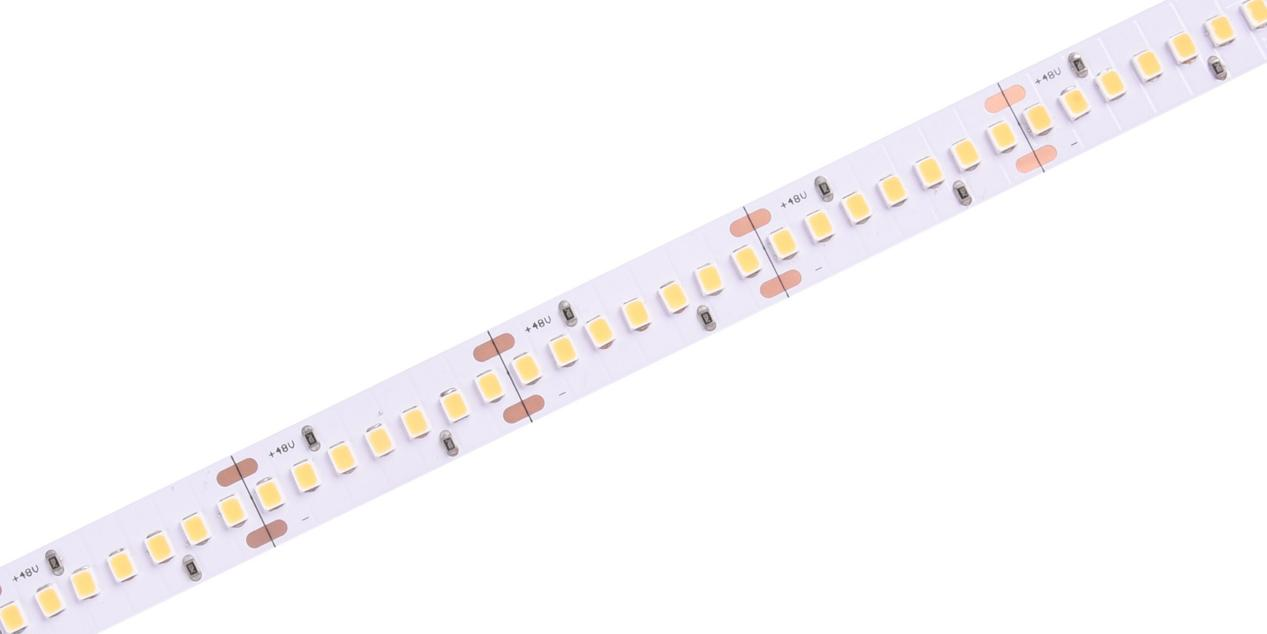
How We Handle Reliable Connections in Outdoor Lighting Projects
- 11 Apr 2024
We at LEDIA Lighting often work with LED light strip systems in engineering projects where stable electrical connection is essential for long-term operation. In many outdoor and commercial applications, a waterproof LED strip lighting solution is selected because it can support moisture exposure while maintaining functional flexibility during installation. Our approach focuses on consistent handling during soldering so that performance remains stable across the entire system. These practices are especially important for project-based installations where consistency and safety are required across multiple sites and different environmental conditions. We also coordinate with contractors to ensure stable assembly outcomes consistently.

Preparation Steps for Stable Soldering
Before soldering, we usually prepare the LED light strip by exposing the copper pads carefully without damaging the insulation layer, which is important for maintaining conductivity in field installations. For waterproof LED strip lights, we also make sure the silicone protection is opened in a controlled way so that internal wiring remains intact while allowing clean soldering points. At LEDIA Lighting, we emphasize preparation steps because they directly affect installation quality in project-based lighting systems. Proper preparation also reduces the risk of weak joints that could affect system reliability in long-term outdoor use, particularly in large commercial installations where maintenance access is limited. Our engineering team follows standardized procedures to support consistent results across different project scales in real projects.
Soldering Execution in Project Environments
During the actual soldering stage, we connect the LED light strip sections with steady heat control to avoid damaging the conductor path and maintian smooth current flow between segments. When working with waterproof LED strip lights, we pay attention to resealing the joint area after soldering so that protection performance is not reduced in outdoor applications. Our installation teams also test each connection to confirm stable operation before the system is powered for long-term use. To further improve reliability, we also conduct visual inspection and electrical testing after each soldering step to confirm stable transmission in practical environments. This approach is especially useful in large engineering projects where multiple installation teams work on the same lighting system across project sites.
Conclusion for Engineering Applications
In large-scale projects, proper soldering methods for LED light strip systems help ensure consistent performance across different installation environments, especially when used in outdoor engineering applications. We find that waterproof LED strip lights play an important role in maintaining durability under changing weather conditions, which is essential for contractors managing long-term lighting projects. At LEDIA Lighting, we continue to support structured installation practices so that every LED light strip system delivers stable results from setup to operation. We also take into account installation efficiency for contractors who manage multiple lighting projects at the same time. By aligning design considerations with real engineering conditions, we help reduce installation complexity and support more predictable outcomes in different environments. Field feedback continues to guide our improvement process for future system development cycles forward.