



-
Recessed Lighting Spacing for Kitchens and Living Rooms
Master the perfect recessed lighting layout. Learn how to space ceiling lights in your kitchen and living room to eliminate shadows and create the ideal ambiance.Read more -
4-Inch vs. 6-Inch Recessed Lighting: How to Choose the Right Size for Your Ceiling
Deciding between 4-inch and 6-inch recessed lights? Discover the best size for your ceiling height, room style, and lighting goals in this comprehensive guide.Read more -
2026 Lighting Power Density: Energy Code Compliance Path, Energy Codes (with LPD Calculator & 2026 Section 179 Calculator)
The latest 2026 Lighting Power Density (LPD) requirements. A comprehensive guide to energy codes for sustainable commercial lighting.Read more
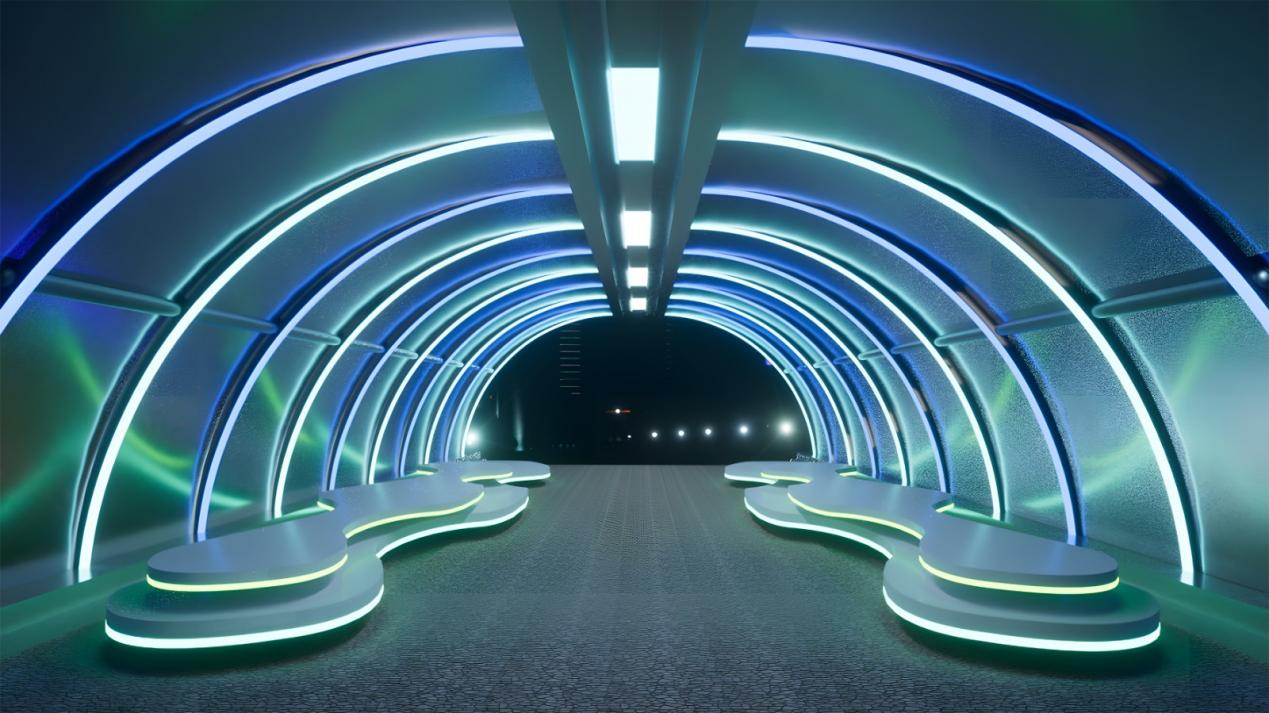
How We Approach Outdoor LED Strip Maintenance for Long-Term Performance
- 11 Apr 2024
As a manufacturer focused on commercial lighting systems, we at LEDIA Lighting often receive questions from engineering contractors and distributors about how outdoor lighting solutions should be maintained for long-term use. In our daily communication with B2B clients, LED strip lights are frequently selected for façade projects, retail environments, and architectural installations. When discussing durability, LED strip lights outdoor applications require more attention to environmental exposure, installation structure, and routine inspection rather than complex servicing. Our experience shows that proper system planning can significantly influence performance stability over time.
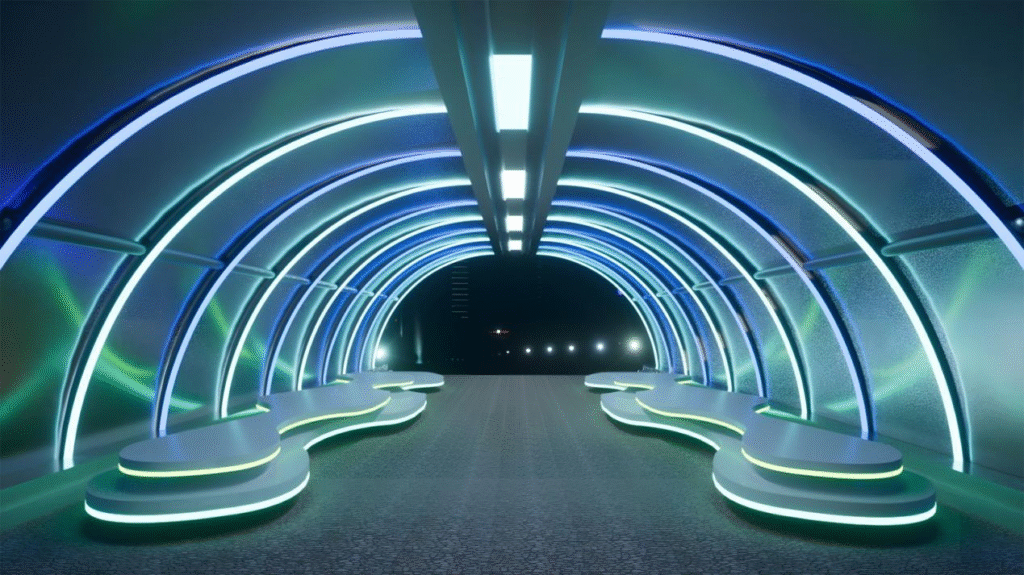
Environmental Considerations for Outdoor Installations
We design our systems with practical field conditions in mind, especially for projects involving LED strip lights outdoor deployments in commercial and public spaces. At LEDIA Lighting, we understand that temperature variation, humidity, and dust exposure can influence performance consistency. For this reason, we recommend periodic visual checks on sealing conditions, connection stability, and power supply behavior rather than frequent disassembly. In many engineering cases, LED strip lights are installed in continuous runs, so maintenance planning is usually integrated into the early project design stage. Our approach focuses on simplifying long-term upkeep while maintaining functional reliability across different environments.
Product Structure and Application Scenarios
At LEDIA Lighting, our product portfolio is organized according to application scenarios to support different engineering requirements. LED strip lights are widely used in indoor commercial decoration and exterior building outlines, where flexibility and uniform illumination are important. For outdoor environments, LED strip lights outdoor solutions are designed to work with protective materials and stable power management systems suitable for long installation cycles. We also provide linear lighting systems such as neon-style profiles, which are often selected for signage and architectural contouring in B2B projects. Across these categories, LED strip lights remain a core option for contractors who require adaptable installation methods and consistent optical performance.
Maintenance Perspective and Project Conclusion
In long-term engineering projects, we at LEDIA Lighting emphasize that maintenance planning should be aligned with installation design from the beginning rather than treated as a separate process. This approach is especially relevant for LED strip lights used in large-scale commercial environments where access conditions may vary. For outdoor projects involving LED strip lights outdoor installations, we recommend focusing on sealing integrity, stable electrical connections, and periodic system checks to support consistent operation. Our product system within LEDIA Lighting is designed to work with different control environments, including smart dimming and standard power configurations for engineering contractors. LED strip lights and outdoor-focused solutions are built for adaptability across project types without compromising installation efficiency. In conclusion, we continue to support contractors with practical guidance and reliable lighting options that include LED strip lights outdoor systems for various B2B applications. We also provide technical documentation and project support to help teams better understand installation requirements in real operating conditions. This allows contractors to manage LED strip projects efficiently while maintaining performance stability for LED strip lights outdoor applications over time consistently.