



-
Recessed Lighting Spacing for Kitchens and Living Rooms
Master the perfect recessed lighting layout. Learn how to space ceiling lights in your kitchen and living room to eliminate shadows and create the ideal ambiance.Read more -
4-Inch vs. 6-Inch Recessed Lighting: How to Choose the Right Size for Your Ceiling
Deciding between 4-inch and 6-inch recessed lights? Discover the best size for your ceiling height, room style, and lighting goals in this comprehensive guide.Read more -
2026 Lighting Power Density: Energy Code Compliance Path, Energy Codes (with LPD Calculator & 2026 Section 179 Calculator)
The latest 2026 Lighting Power Density (LPD) requirements. A comprehensive guide to energy codes for sustainable commercial lighting.Read more
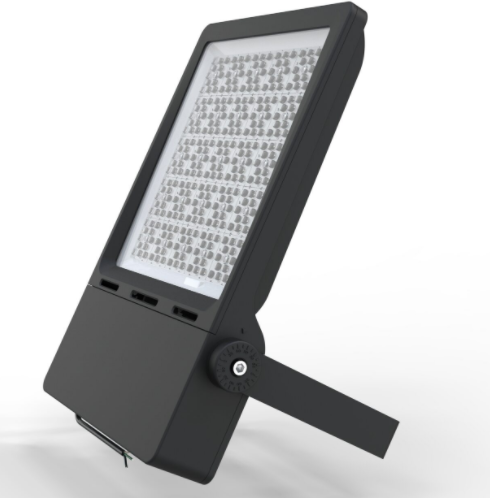
How Technical Factors Shape Reliable Outdoor Lighting Performance
- 7 Apr 2024
In outdoor and project-based lighting, we often see that performance differences are not accidental. At LEDIA Lighting, we focus on how design, materials, and production processes influence the consistency of LED flood lights and LED flood light solutions. For contractors and engineering clients, understanding these factors helps reduce maintenance risks and ensures stable operation across different environments. Rather than relying on surface specifications, we evaluate light quality from a system perspective, combining optical performance with structural reliability.
Material Selection and Optical Design
The foundation of light quality starts with material selection and optical structure. In our experience, the housing material, lens design, and sealing method directly affect heat dissipation and light distribution. For example, when designing LED flood lights for outdoor use, we consider aluminum housing for thermal balance and durable optical lenses to maintain uniform illumination. At the same time, precise beam angle control allows a single LED flood light to adapt to various project needs, from façade lighting to large-area coverage. These decisions are not isolated; they are closely tied to long-term stability and environmental resistance.
Manufacturing Process and Quality Control
Beyond design, manufacturing consistency plays a critical role. Our production environment includes 15,000㎡ of workspace and a 1,000㎡ laboratory with CNAS accreditation, allowing us to test performance under controlled conditions. With over 20 years in the lighting industry and two R&D teams composed of experienced engineers, we maintain stable process control across batches. Certifications such as CCC, UL, ETL, CE, RoHS, TUV, SAA, DLC, and ENEC also guide how LED flood lights are verified for different markets. For each LED flood light, quality is not defined by a single parameter but by how well multiple standards are integrated into production.
Application Environment and System Compatibility
Light quality is also influenced by how products interact with real-world environments. Outdoor projects often involve humidity, UV exposure, and temperature variation, which require proper sealing and material durability. Our LED flood lights are designed with these variables in mind, supporting consistent output in both indoor and outdoor scenarios. In addition, compatibility with control systems is increasingly important for engineering projects. A well-designed LED flood light should integrate smoothly with existing electrical and smart control setups, helping contractors manage installation and operation more efficiently without unnecessary adjustments.
Conclusion: A Systematic Approach to Light Quality
From our perspective, light quality is the result of coordinated decisions across design, materials, and manufacturing. At LEDIA Lighting, we approach LED flood lights development by aligning these elements with project requirements and certification standards. Each LED flood light we deliver reflects this process, aiming to support stable performance in practical applications. For B-end customers, this systematic approach provides a clearer basis for product selection, especially when long-term reliability and adaptability are key considerations.