



-
Recessed Lighting Spacing for Kitchens and Living Rooms
Master the perfect recessed lighting layout. Learn how to space ceiling lights in your kitchen and living room to eliminate shadows and create the ideal ambiance.Read more -
4-Inch vs. 6-Inch Recessed Lighting: How to Choose the Right Size for Your Ceiling
Deciding between 4-inch and 6-inch recessed lights? Discover the best size for your ceiling height, room style, and lighting goals in this comprehensive guide.Read more -
2026 Lighting Power Density: Energy Code Compliance Path, Energy Codes (with LPD Calculator & 2026 Section 179 Calculator)
The latest 2026 Lighting Power Density (LPD) requirements. A comprehensive guide to energy codes for sustainable commercial lighting.Read more
Evaluating Submersibility Testing for Waterproof LED Strip Systems
- 8 Apr 2024
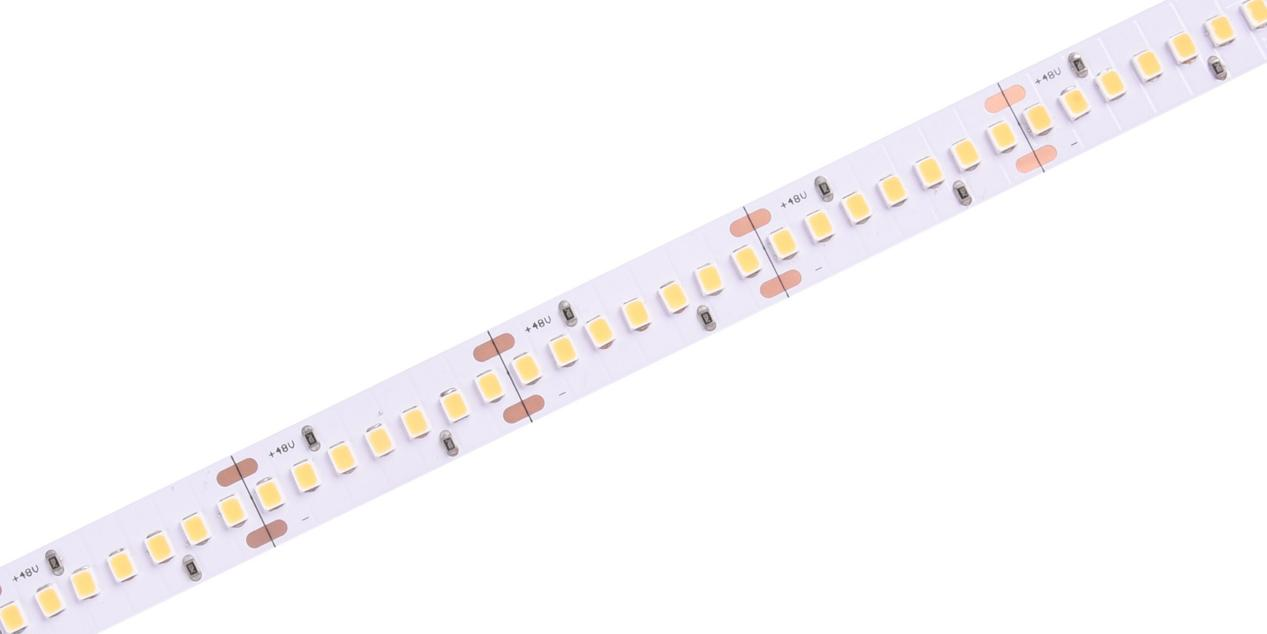
At LEDIA Lighting, we often receive questions about how to evaluate whether lighting products can truly handle water exposure in real installation environments. In commercial and engineering projects, LED light strip is frequently required to operate in outdoor or semi-exposed areas where moisture resistance becomes important. For applications involving fountains, façade outlines, or ground-level decoration, waterproof LED strip lights are often selected due to their protective structure. However, determining whether a product is genuinely submersible is not only about appearance but also about how the sealing structure behaves under controlled testing conditions. We approach this topic by focusing on material integrity, connection sealing, and insulation stability rather than surface-level assumptions.

Structural checks and controlled testing methods
In our engineering practice at LEDIA Lighting, we evaluate waterproof LED strip lights through structured internal testing rather than informal observation. A key method involves checking the sealing performance of the extrusion layer and end-cap connections under consistent pressure conditions. For a LED light strip, the internal wiring layout and adhesive bonding between materials play a direct role in determining whether water ingress can be prevented. In some waterproof LED strip lights designs, we also assess flexibility points, since repeated bending in installation may affect long-term sealing performance. Our facility includes a CNAS-accredited laboratory, which allows us to simulate environmental exposure in a controlled way, ensuring that results are consistent with engineering expectations. With over 20 years of experience in lighting development, we focus on repeatable testing procedures rather than isolated results.
Application reality in engineering environments
In real B2B projects, contractors using LEDIA Lighting solutions usually evaluate submersibility based on installation depth, exposure duration, and system integration conditions. A LED light strip installed in outdoor architectural lighting may only require splash resistance, while some waterproof LED strip lights used in landscape or ground-level environments may face more continuous water contact. For this reason, we always remind project teams that submersibility should be verified through standardized testing reports rather than on-site assumptions. Our R&D teams, supported by experienced engineers, work on improving sealing consistency across different product structures. This includes optimizing extrusion materials and reinforcing connection points to reduce potential weak spots during long-term use in engineering environments.
Conclusion: verifying performance through structured evaluation
Overall, at LEDIA Lighting, we treat the evaluation of waterproof LED strip lights as part of a broader engineering process rather than a single test result. A LED light strip intended for wet or semi-wet environments must go through controlled assessment of sealing integrity, electrical stability, and material performance. While different project conditions may require different levels of protection, our focus remains on providing reliable testing methods and consistent manufacturing standards. By combining laboratory verification with practical engineering experience, we help ensure that submersibility claims are supported by structured evaluation rather than assumptions.