



Effective Glare Control in Outdoor Flood Light Design
- 26 Jun 2024
Careful consideration must be given to the way in which light is introduced into the environment in order to establish outdoor areas that are both comfortable and secure. Glare that is caused by fixtures that were not constructed properly can decrease visibility and cause discomfort to pedestrians as well as cars. When we create LED flood light fixtures, we always put the highest priority on achieving optical precision. This is done in order to make sure that light falls where it is necessary and does not cause visual interference. When it comes to the construction of a fixture LED lighting product that has been well-engineered, the issue of glare control should be considered a core component of the product’s design as opposed to a feature that is optional. This is due to the fact that the product needs to provide illumination without being distracting.
Optical Systems for Directional Light Control
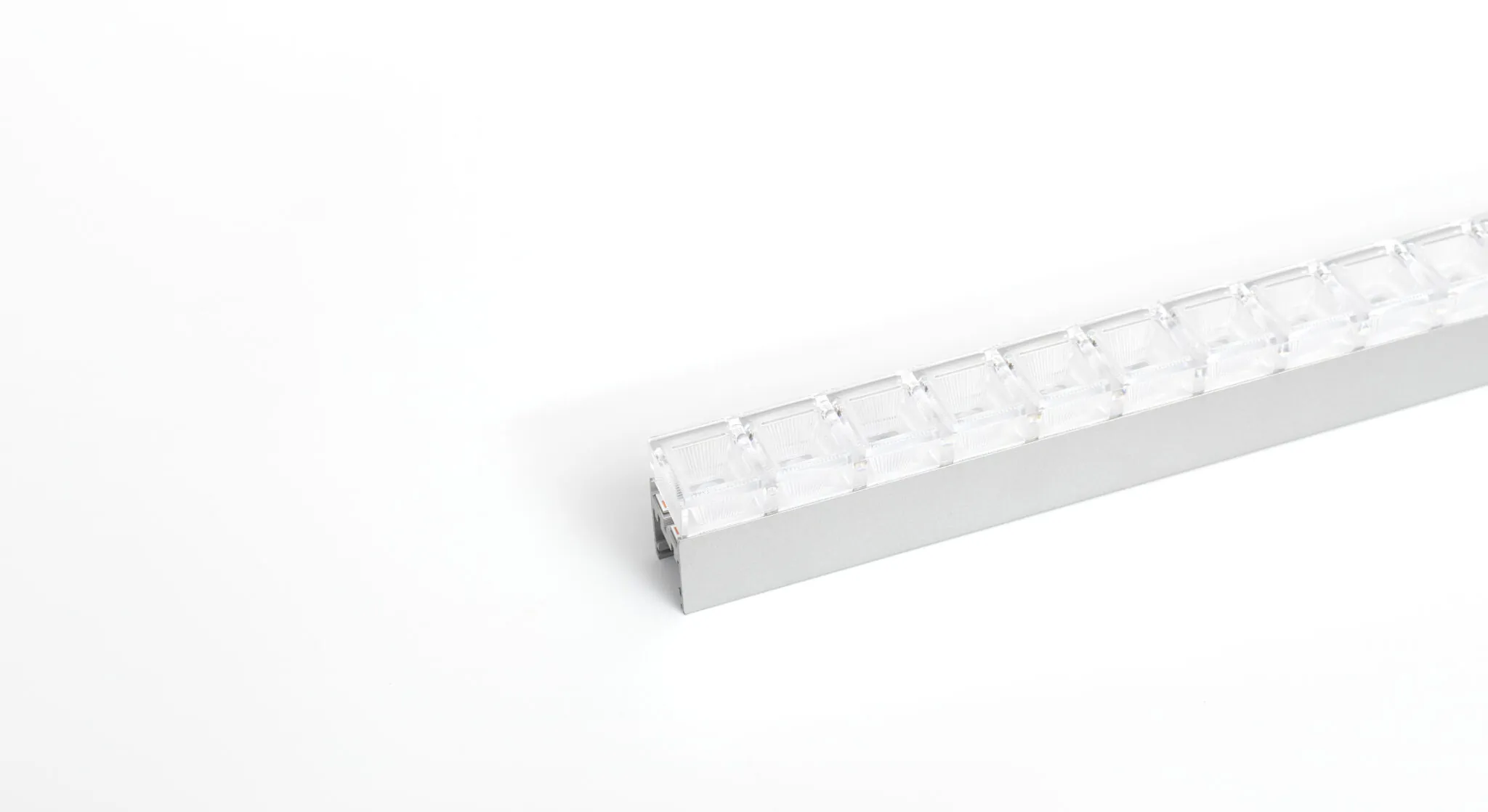
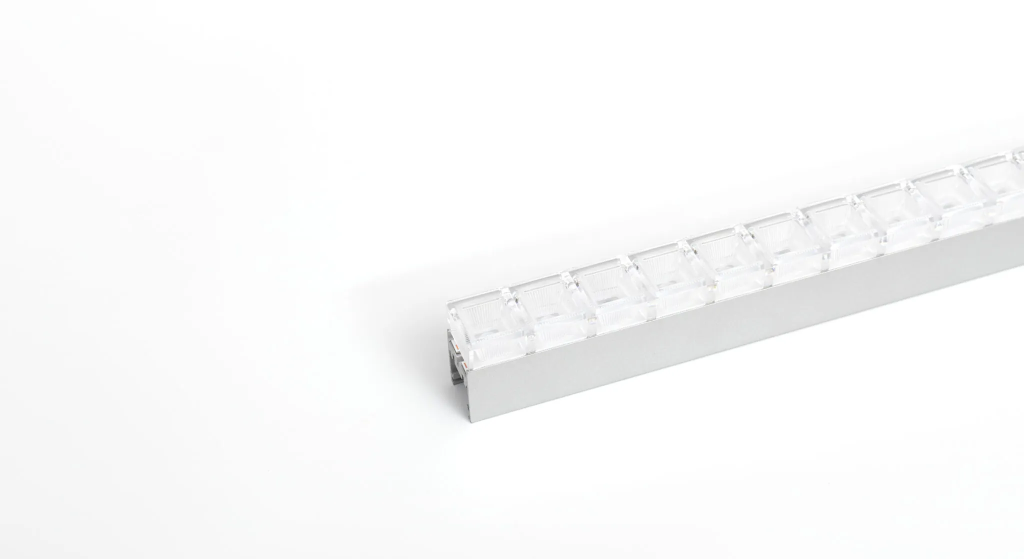
The primary method for managing glare lies in the fixture’s internal optics. We utilize precisely engineered reflectors and lenses that shape the light beam with a sharp cut-off. These components work to direct luminous output downward onto the target area, such as a roadway or parking lot, while minimizing light spread at high angles. This precise beam control ensures the high-intensity core of the light remains out of the direct sightlines of people at a distance. The quality of this optical assembly is what separates a basic fixture LED lighting product from a professional-grade LED flood light fixtures system.
Physical Shielding and Fixture Geometry
The external design of the fixture housing plays an equally important role in glare reduction. We incorporate features like deep baffles, honeycomb louvres, or specular reflectors that physically block the direct view of the LED chips from common viewing angles. This is particularly valuable for LED flood light fixtures mounted at lower heights or near pedestrian walkways. The geometry and depth of this shielding are calculated to conceal the bright light source effectively while preserving the useful, downward-directed illumination. This physical barrier is a simple yet critical component of considerate fixture LED lighting design.
Strategic Placement and Photometric Analysis
Even the best-designed fixture can cause issues if installed without consideration for its surroundings. We recommend that the mounting height and aiming angle be planned using the fixture’s photometric data. This analysis helps position the LED flood light fixtures to maximize coverage on the ground while directing the high-angle light away from sightlines. Higher mounting positions generally allow for steeper aiming angles, which further help keep bright light out of people’s eyes. This planning stage is essential for integrating the fixture LED lighting seamlessly and comfortably into the built environment.
The objective of modern outdoor illumination is to provide safe, usable light without visual discomfort. Achieving this requires a combination of sophisticated optics, thoughtful physical design, and informed installation practices. It is a process that moves beyond mere brightness to consider the human experience within the lit environment. At LEDIA Lighting, our development of LED flood light fixtures is guided by this principle, resulting in fixture LED lighting solutions that are both powerful and respectful to the communities and spaces being illuminate.