



-
Recessed Lighting Spacing for Kitchens and Living Rooms
Master the perfect recessed lighting layout. Learn how to space ceiling lights in your kitchen and living room to eliminate shadows and create the ideal ambiance.Read more -
4-Inch vs. 6-Inch Recessed Lighting: How to Choose the Right Size for Your Ceiling
Deciding between 4-inch and 6-inch recessed lights? Discover the best size for your ceiling height, room style, and lighting goals in this comprehensive guide.Read more -
2026 Lighting Power Density: Energy Code Compliance Path, Energy Codes (with LPD Calculator & 2026 Section 179 Calculator)
The latest 2026 Lighting Power Density (LPD) requirements. A comprehensive guide to energy codes for sustainable commercial lighting.Read more
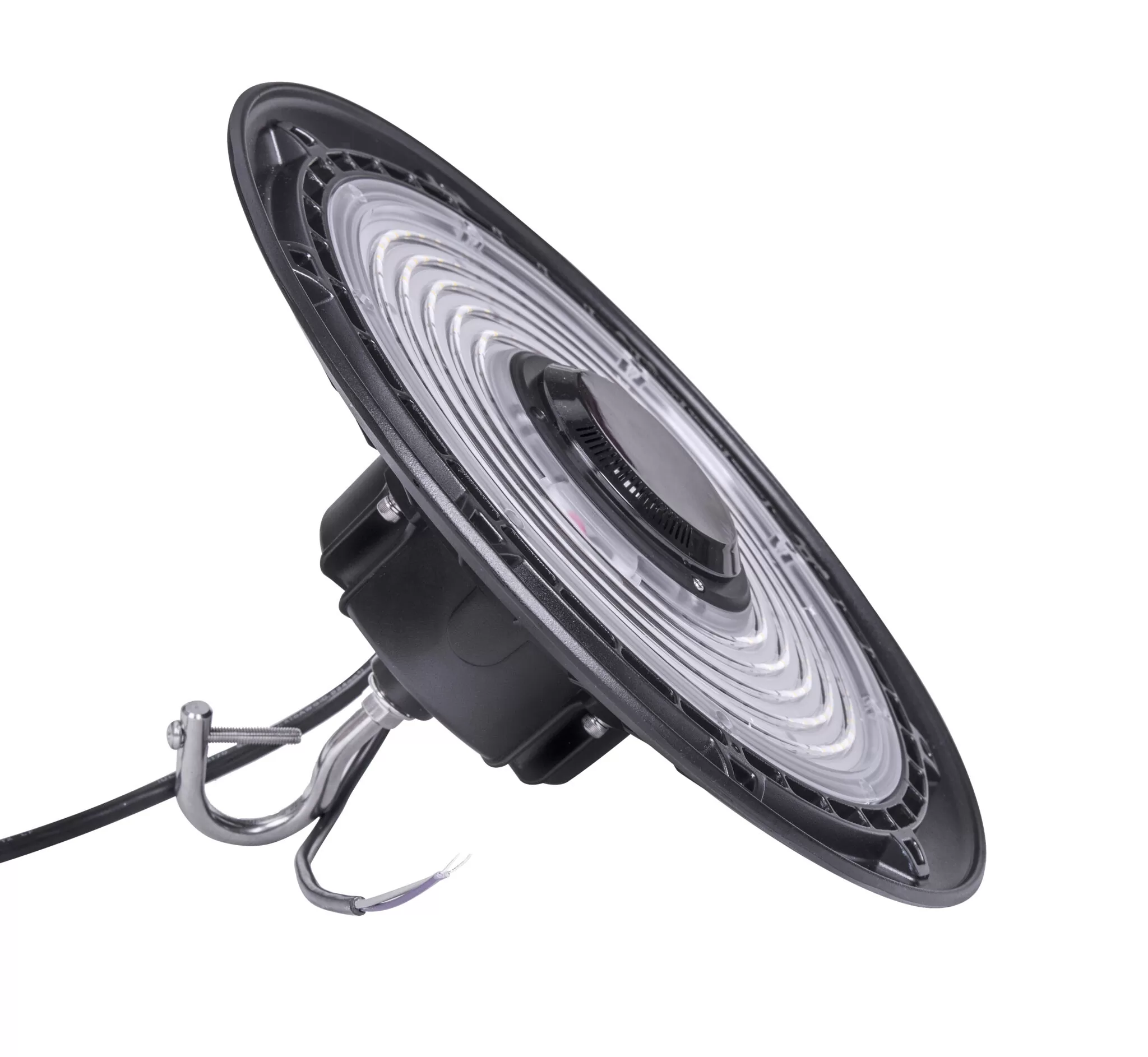
Demystifying Dimmable and Non-Dimmable UFO LED High Bays
- 17 Jun 2024
A question we often encounter from facility managers and procurement teams concerns the practical distinction between dimmable and non-dimmable UFO LED lights. This is not merely a matter of features, but a fundamental decision that impacts operational control and energy use. The divergence lies entirely within the LED driver, the component that regulates power to the light source. For a business, selecting the correct type is about aligning your lighting with the actual demands of your space. Recognizing this difference ensures that your investment in UFO LED lights supports both your immediate and long-term facility management goals.
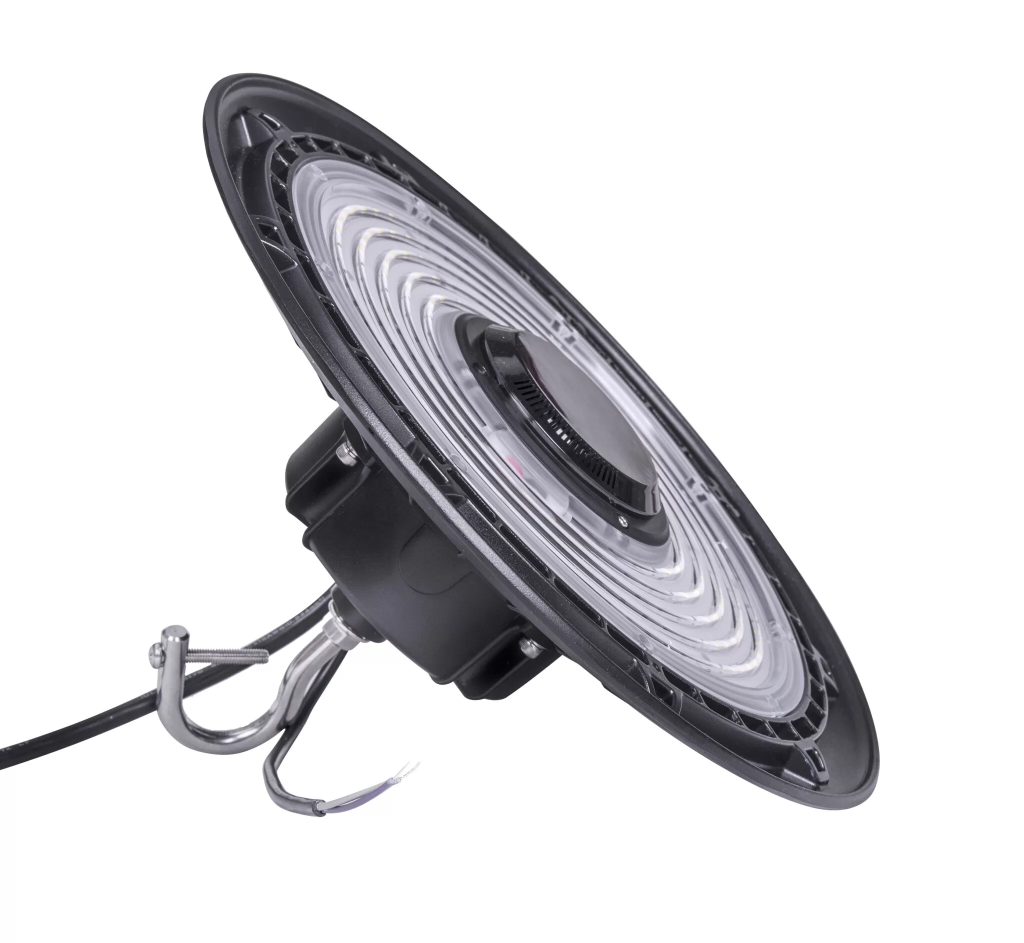
Internal Circuitry and Its Role
The primary distinction is embedded in the design of the driver. A non-dimmable UFO LED light operates on a fixed-output driver. This component is engineered to deliver a constant current to the LEDs, providing full illumination whenever the fixture is switched on. Its design is straightforward, focusing on reliability and consistent performance. A dimmable model, however, is built with a more complex driver that can interpret external signals. This allows the electrical current flowing to the LEDs to be precisely controlled, thereby lowering the light output. This fundamental difference in circuitry is what defines the capability and application of each fixture.
Operational Flexibility in Practice
This difference in capability translates directly to how you manage your lighting environment. Non-dimmable fixtures are perfectly suited for spaces that require unwavering, high-level illumination during all operational hours. Think of assembly lines, storage aisles, or gymnasiums where light levels are a constant safety and productivity requirement. Dimmable UFO LED lights, on the other hand, introduce a layer of strategic control. They allow you to lower light levels in areas during inactive periods, adapt brightness for specific tasks, or integrate with systems like occupancy sensors. This adjustability is a direct tool for managing energy consumption.
Considering System Compatibility and Cost
It is important to view a dimmable fixture as part of a complete system, not a standalone product. To utilize its dimming function, it must be paired with a compatible control device, such as a 0-10V wall dimmer, a DALI network, or smart sensors. This necessity for additional components influences the overall project. The initial unit cost for a dimmable UFO LED light is typically higher due to its advanced driver, and the total investment must account for the control hardware and its installation. The value is realized through long-term energy savings and enhanced operational flexibility.
The choice between dimmable and non-dimmable options shapes the functionality of your lighting system. One offers simplicity and cost-effectiveness for static environments, while the other provides adaptive control for dynamic spaces. At LEDIA Lighting, we provide clarity on these specifications to help you make a confident decision. As your LED lighting manufacturer, we are committed to ensuring the UFO LED lights you select deliver not just light, but a solution that is precisely attuned to your operational rhythm and efficiency targets.