



-
Recessed Lighting Spacing for Kitchens and Living Rooms
Master the perfect recessed lighting layout. Learn how to space ceiling lights in your kitchen and living room to eliminate shadows and create the ideal ambiance.Read more -
4-Inch vs. 6-Inch Recessed Lighting: How to Choose the Right Size for Your Ceiling
Deciding between 4-inch and 6-inch recessed lights? Discover the best size for your ceiling height, room style, and lighting goals in this comprehensive guide.Read more -
2026 Lighting Power Density: Energy Code Compliance Path, Energy Codes (with LPD Calculator & 2026 Section 179 Calculator)
The latest 2026 Lighting Power Density (LPD) requirements. A comprehensive guide to energy codes for sustainable commercial lighting.Read more
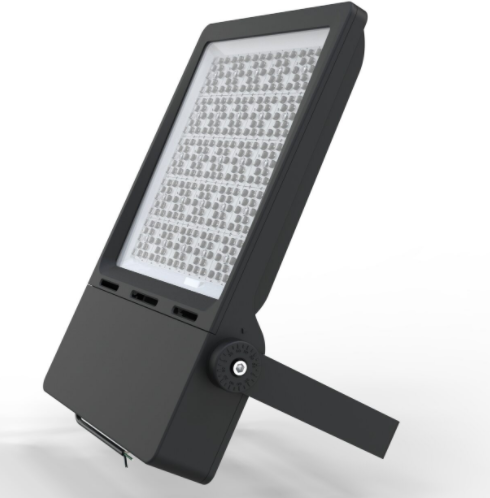
Are LED Flood Lights Waterproof?
- 18 Jan 2025
In many engineering projects, clients approach us at LEDIA Lighting with questions about the waterproof performance of outdoor fixtures. As we work with different applications, we often explain how an LED flood lights system behaves under outdoor conditions. When we design flood lighting solutions, we evaluate humidity levels, exposure angles, and installation height to ensure the product maintains stable performance. In these discussions, we emphasize that the core features of an LED flood light rely on enclosure structure, sealing materials, and proper power management. With years of project experience, we guide customers toward installation methods that match the protection level required in each environment.
Structural Considerations Behind Waterproof Flood Lights
When customers explore outdoor lighting options, water resistance becomes a major factor. In our product development, we design the D Series Flood Light to support this requirement through multiple functional elements. As a manufacturer providing LED flood lights for various engineering cases, we focus on slim structural design, consistent sealing, and versatile mounting approaches. The D Series structure measures roughly 60 mm in thickness and includes installation variations suitable for different project layouts. With scale marks on both sides of the bracket, the beam angle of the LED flood light can be adjusted accurately. These structural features support consistent performance in outdoor spaces where rainfall, dust, or moisture may be present.
Performance and Application Stability
In our production process at LEDIA Lighting, we work to ensure that the optical and electrical performance of each product remains steady in environments where waterproof capability is needed. For outdoor setups that require LED flood lights, we offer beam angle options including 30°, 60°, 90°, 120°, TYPE2, TYPE3, and TYPE4, allowing the fixture to align with different lighting objectives. Intelligent features such as DC 12V auxiliary output and ZHAGA options make the D Series adaptable for system integration. When we introduce the LED flood light to engineering clients, we highlight its 140 LM/W and 170 LM/W configurations, which support energy-efficient operation. These performance characteristics help maintain stable illumination even when the fixture is installed in open areas subject to changing weather. With these capabilities, the product meets common waterproof demands encountered in commercial and industrial fields.
Conclusion: Our View on Waterproof Capability
From our work with numerous outdoor installations, we confirm that LEDIA Lighting develops solutions that address the environmental challenges faced in real project sites. When clients adopt our LED flood lights, the waterproof functions depend on both product structure and correct installation. For project teams evaluating whether an LED flood light is suitable for outdoor use, we recommend assessing exposure levels and selecting the appropriate beam configuration. By combining durable housing, thoughtful design, and consistent performance, we aim to support lighting systems that operate reliably in conditions where water protection is essential.