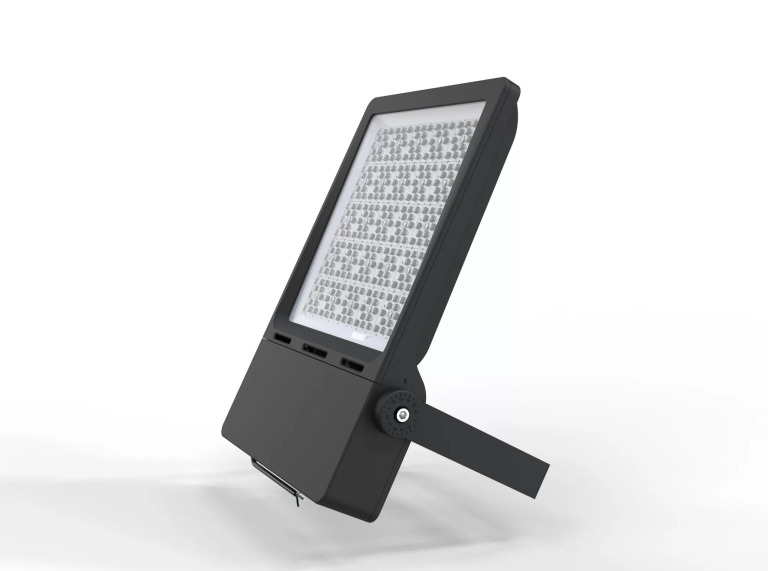
Arriving at the correct lumen specification for an outdoor project involves a systematic assessment of the environment. This process ensures the delivered illumination meets practical needs without underperformance or energy waste. We approach this as a collaborative planning stage, where understanding the space’s unique profile leads to an effective lighting solution. Establishing the proper lumen output for your outdoor flood lights is a fundamental step that influences both security outcomes and operational efficiency.
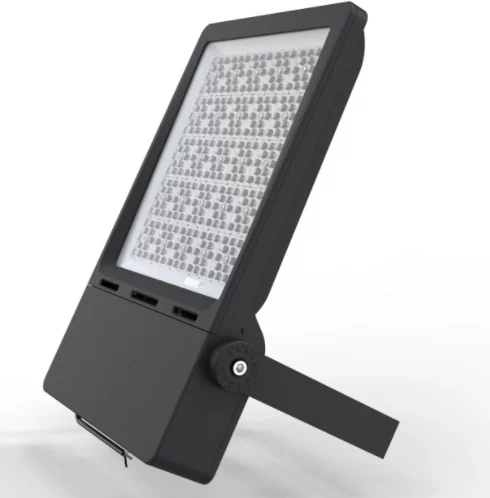
Initiate the Process with a Site and Application Audit
The first phase involves a detailed evaluation of the space. Key questions define this stage: What are the physical dimensions of the area? What activities occur there? What are the primary security concerns? A parking lot requiring license plate recognition at its entrance has different needs than a storage yard where general movement detection is the goal. Documenting these parameters provides the necessary context. This initial audit forms the foundation for all subsequent decisions regarding the type and power of LED flood lights required for the project.
Establish Illumination Levels Based on Operational Criteria
With the site audit complete, the next step is to define the required light levels on the ground. Different zones within a property may have varying requirements; a perimeter fence line needs consistent wash lighting, while a central assembly area might require brighter, more uniform illumination. These criteria determine the intensity needed from the outdoor flood lights. The specification shifts from a vague need for “brightness” to a targeted goal for functional illumination that supports the specific tasks and security protocols of the space.
Calculate Total Lumens and Select Appropriate Fixtures
The final phase translates the required ground-level light into a total lumen output for the LED flood lights. This calculation considers the number of fixtures, their placement, and their beam distribution. A few high-output fixtures with wide beams may cover a large, open area, while several units with medium beams might be better for a long, narrow access road. The mounting height of each fixture is also factored in, as higher mounting positions often require fixtures with greater lumen output to project light effectively to the ground.
This structured method—from audit to criteria setting to final calculation—removes guesswork from the specification process. It ensures the lighting system is designed with intention, providing clarity for budgeting and installation. At LEDIA Lighting, we support this approach by offering a diverse portfolio of LED flood lights with verified performance data. Our role as your LED lighting manufacturer is to supply the reliable outdoor flood lights that match your precise lumen requirements, ensuring your outdoor spaces are both secure and efficiently lit.