



-
Recessed Lighting Spacing for Kitchens and Living Rooms
Master the perfect recessed lighting layout. Learn how to space ceiling lights in your kitchen and living room to eliminate shadows and create the ideal ambiance.Read more -
4-Inch vs. 6-Inch Recessed Lighting: How to Choose the Right Size for Your Ceiling
Deciding between 4-inch and 6-inch recessed lights? Discover the best size for your ceiling height, room style, and lighting goals in this comprehensive guide.Read more -
2026 Lighting Power Density: Energy Code Compliance Path, Energy Codes (with LPD Calculator & 2026 Section 179 Calculator)
The latest 2026 Lighting Power Density (LPD) requirements. A comprehensive guide to energy codes for sustainable commercial lighting.Read more
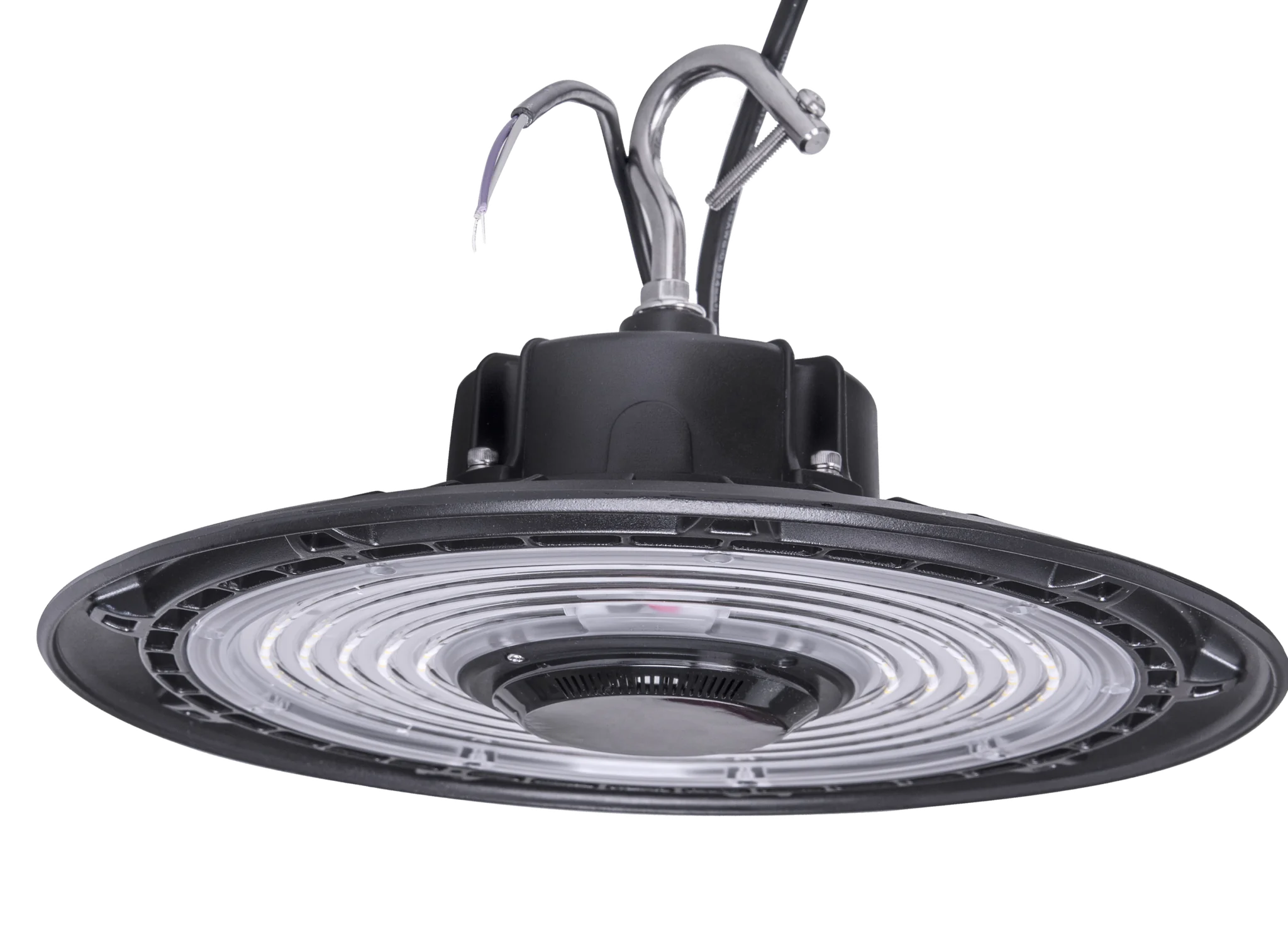
A Practical Guide to Positioning Adjustable Flood Lights on Architectural Features
- 26 Jun 2024
Adjusting an LED flood light to accentuate a building’s form is a deliberate process that blends technical precision with an artistic eye. The goal is to use illumination to enhance textures, define shapes, and create visual hierarchy after dark. We recognize that achieving this requires more than just mounting a fixture; it involves a careful sequence of actions to control the light’s impact. For us as an LED lighting manufacturer, providing fixture LED lighting with smooth, reliable adjustability is a core part of supporting successful architectural applications.
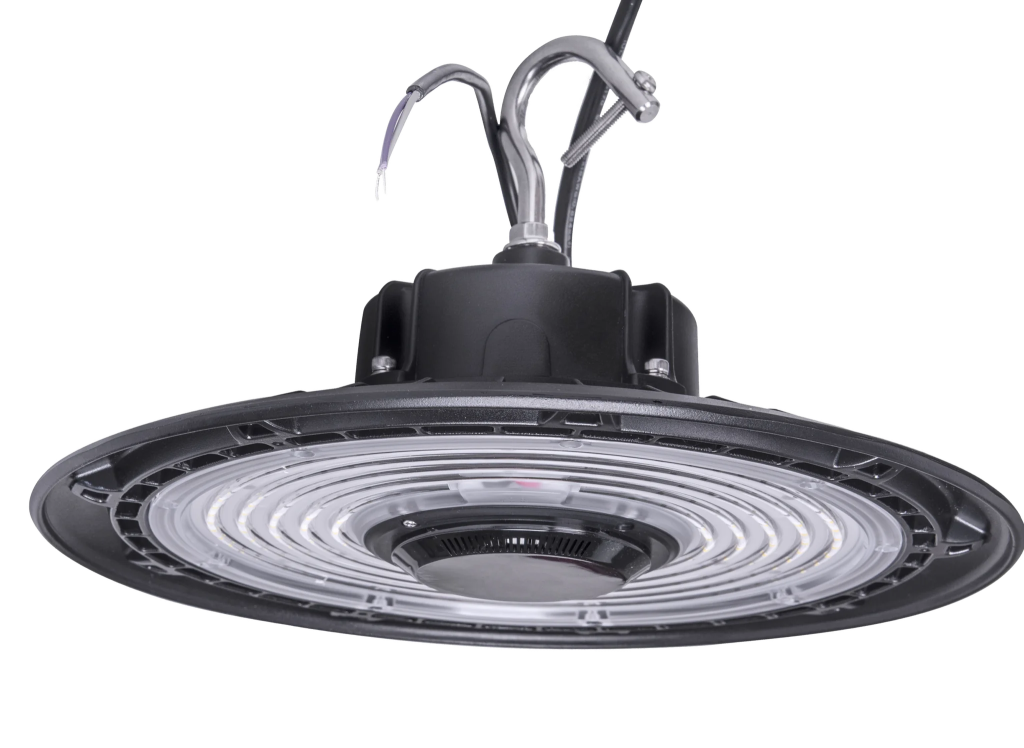
Initial Planning and Fixture Selection
The foundation of effective highlighting is established long before installation. This phase involves analyzing the architectural element to be lit—a column, a textured wall, a facade—and determining the desired effect. Should the light graze the surface to exaggerate texture, or wash it evenly to emphasize color? This decision directly informs the choice of beam angle and intensity for the LED flood light fixtures. A narrow beam might be selected to punch through darkness and pick out a specific detail, while a wide beam could be chosen to blanket a large, flat surface uniformly. This preparatory work ensures the right tools are selected for the task.
Mechanical Aiming and Rough Positioning
With the fixture securely mounted, the physical adjustment begins. This step involves loosening the fixture’s locking rings or bolts on its yoke or bracket to allow for pan and tilt movement. We advise performing a “dry” alignment first, without power, by sighting along the fixture’s body to roughly aim it toward the target area. The robust construction of professional-grade LED flood light fixtures is critical here, as it allows for stable movement and holds its position securely once locked. This mechanical stage is about getting the light pointing in the right general direction before fine-tuning with power.
Live Adjustment and Final Refinement
Once the fixture is roughly aimed, power is applied for the most critical phase: live refinement. This is where the planned effect is realized. Observe the light pattern on the surface and make subtle adjustments to the fixture’s aim. The objective is to eliminate hot spots, ensure even coverage, and prevent unwanted light spill into adjacent areas or the night sky. The quality of the optics in the fixture LED lighting becomes apparent here, with well-defined beams allowing for clean edges and controlled distribution. This iterative process continues until the light perfectly frames the architectural element as intended.
Mastering this three-stage method ensures that light becomes a deliberate tool for architectural expression, not just a source of illumination. The careful coordination of planning, mechanical aiming, and live refinement transforms a generic flood light into a precise highlighting instrument. At LEDIA Lighting, we engineer our LED flood light fixtures with precise gimbals and high-quality optics to facilitate this level of detailed control. Our commitment as your LED lighting manufacturer is to provide the reliable, adjustable fixture LED lighting that empowers you to execute nuanced and impactful architectural lighting designs.