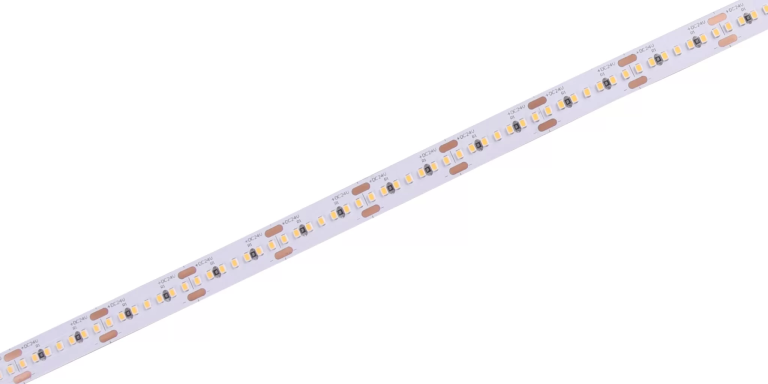
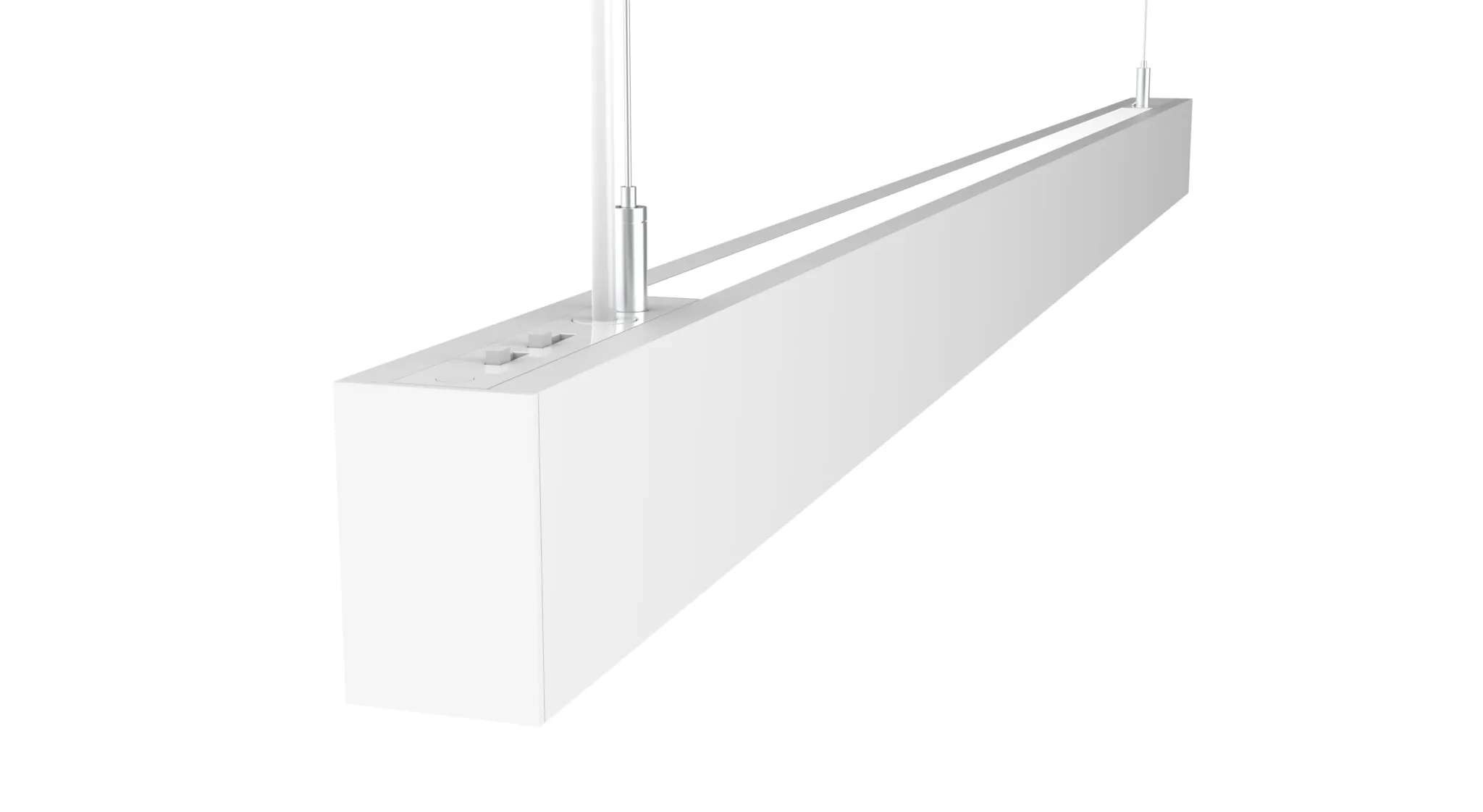
Consider the potential when a building’s lighting does more than simply illuminate space. Networked lighting control systems introduce a layer of intelligence to a facility’s electrical backbone, moving beyond basic switches to a connected ecosystem. These systems allow for centralized management and granular control over every connected light point. For us as an LED lighting manufacturer, this evolution represents a significant change in how businesses can approach energy usage, operational efficiency, and occupant comfort within their commercial properties.
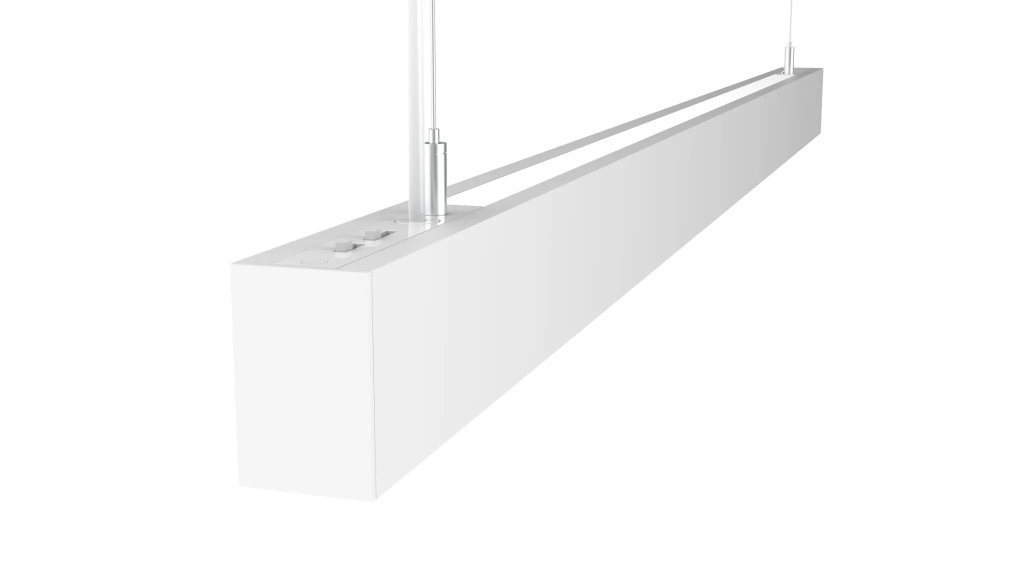
Moving Beyond Simple Illumination to Integrated Management
The core of a networked system lies in its ability to communicate. Instead of operating in isolation, each fixture can be part of a web, reporting its status and receiving commands from a central software platform. This connectivity allows facility managers to monitor the performance of their LED commercial lighting across an entire portfolio from a single interface. Tasks like scheduling, zone control, and daylight harvesting become automated processes, reducing manual intervention and ensuring that lighting aligns precisely with the building’s occupancy and usage patterns.
Delivering Tangible Operational and Financial Outcomes
The direct benefit of this automated management is a substantial reduction in energy waste. Lights can be programmed to dim or turn off in unoccupied areas, seamlessly responding to data from sensors. This leads to lower electricity consumption and decreased utility costs. Furthermore, the data collected by the system provides valuable insights into space utilization, helping organizations make informed decisions about their real estate. The operational intelligence gained from a networked LED commercial lighting system transforms a utility into a strategic asset.
Enhancing the Occupant Experience and Space Flexibility
A well-designed control system also directly impacts the people who use the building. Individual occupants or tenant spaces can often adjust lighting levels to suit their specific tasks or preferences, fostering a more comfortable and productive environment. This flexibility is crucial in modern commercial settings, where a single space may need to function as a collaborative area, a focused work zone, and everything in between. The ability to fine-tune the lighting atmosphere becomes a key feature of the space itself.
The integration of networked controls with a modern lighting infrastructure marks a step toward smarter, more responsive building management. It creates a system that is not only efficient but also adaptable to the dynamic needs of a business and its occupants. At LEDIA Lighting, we recognize the importance of this connectivity, and our solutions are designed to integrate seamlessly with these intelligent control platforms, providing a foundation for a more efficient and agile operational environment.