Picture a setting where the very air can ignite—places like chemical processing plants, grain elevators, or offshore drilling platforms. In these volatile locations, every piece of equipment, including every light source, must be engineered to prevent disaster. This is the critical domain of hazardous location lighting. For an LED lighting manufacturer, producing a fixture LED lighting product for these areas involves navigating a complex landscape of international standards and rigorous testing. The process ensures that industrial light fixtures LED are not just efficient, but intrinsically safe.
The Critical Purpose of Hazardous Location Classifications
The entire certification framework for fixture LED lighting begins with a clear system of classification. These classifications define the specific types of hazards present, such as flammable gases, vapors, or combustible dusts. Each class and division (or zone) dictates the level of protection required. This system tells an LED lighting manufacturer exactly what conditions an industrial light fixtures LED product must withstand. It determines the engineering approach, ensuring the fixture is designed to contain any internal explosion, prevent sparks, and maintain a surface temperature that will not ignite the surrounding atmosphere.
Adherence to Stringent International Standards
Once the classification is known, the fixture must be designed and built to meet exacting standards. In North America, the key standards are from UL and CSA, specifically UL 844 and CSA C22.2 No. 137 for hazardous location lighting. The ATEX directive governs these products in the European Union, while the IECEx Scheme provides an international benchmark. For an LED lighting manufacturer, compliance means subjecting industrial light fixtures LED prototypes to independent testing laboratories. These labs verify that the fixtures can operate safely under the defined hazardous conditions without causing an ignition.
Engineering for Containment and Reliability
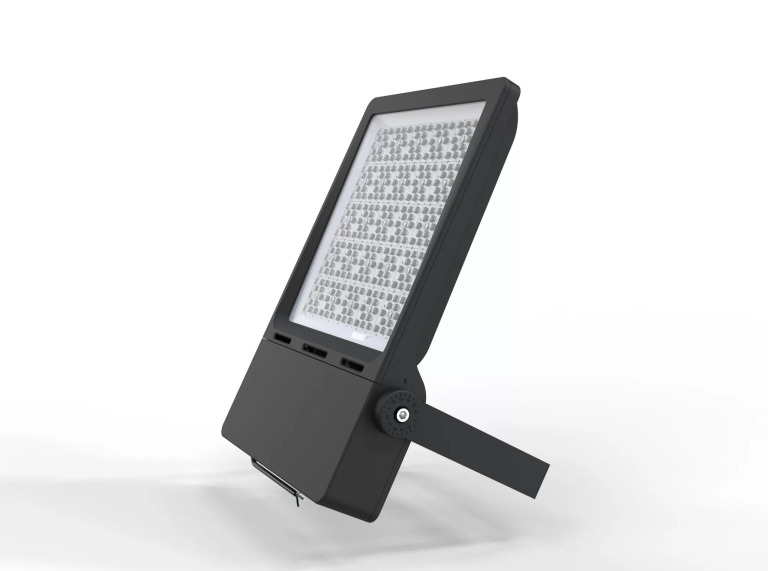
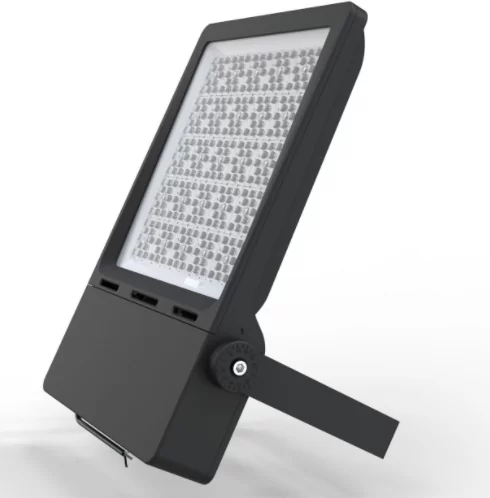
Meeting these standards requires specific physical design features in the fixture LED lighting. A common method is explosion-proof enclosure design, which prevents any internal spark or explosion from propagating to the external environment. The seals, conduit entries, and robust housing of these industrial light fixtures LED are all critical components. The materials used must be durable and non-corrosive, often heavy-gauge aluminum or stainless steel. Furthermore, the thermal management system—the heat sink design—is paramount to keeping the external surface temperature below the auto-ignition point of the specific gases or dusts in the location.
The certification of lighting for hazardous locations is a testament to engineering precision and a deep commitment to safety. It transforms a standard fixture LED lighting product into a specialized life-safety device. This process guarantees that industrial light fixtures LED provide reliable visibility where it is most needed, without introducing risk. At LEDIA Lighting, our dedication as an LED lighting manufacturer is to this principle of safety above all. We engineer our certified industrial light fixtures LED to offer the durability and unwavering reliability required for the most demanding worksites, contributing to a safer industrial landscape.