The trend of incorporating PIR motion sensor lights in household lighting systems is growing. It shows people’s increasing tendency towards cozy vibes and convenience. Homeowners regularly install these innovative lighting solutions seeking ambient illumination activated automatically on movement.
Their growing popularity also drives the adoption of revolutionizing illumination with advanced technologies like hidden lighting. As consumers increasingly demand smart home devices integrated into interior design, automatic motion-activated lights, and light strips remain at the forefront of innovative illumination trends that empower modern lifestyles.
Hidden Lighting: Overview and Significance
Hidden lighting is any illumination installed discretely using integrated LED strips or dim bulbs activated by motion sensors. This provides a subtle, ambient glow seamlessly blending into the surroundings. Hidden lighting plays a significant role in creating visually appealing designs through soft, eye-pleasing illumination. Its subtle glow enhances ambiance without drawing excessive attention. It immerses occupants in a calming ambiance through welcoming visual pathways that guide them safely.
When implementing hidden lights, carefully consider each area’s unique needs. Assess lighting requirements like safety, aesthetics, or mood. Proper selection of fixtures and placement is key to optimizing the benefits of this discreet lighting technique for various applications.
-
Staircase
Staircases require lighting consideration for both interior and exterior situations. Inside staircases demand subtle rail or recessed step lights to efficiently and safely guide movement. Outside stairs need durable fixtures that can withstand weather elements like rain and sun to properly illuminate entryways.

-
Living Room
Living rooms are well-suited for aesthetic, ambient LED lighting fixtures or cove lighting discreetly positioned along walls or built into the junction where walls meet ceilings. Such subtly lit accents provide softly illuminated backlighting that enhances overall visual appeal and ambiance.

-
Aisle
Aisles demand directional path lighting skillfully placed at low levels to discreetly guide navigation through hallways and walkways found both in homes and other buildings. This ensures a smooth flow of movement while maintaining a calm, well-lit atmosphere throughout indoor pathways.
-
Bedroom
Bedrooms prefer calming solutions like unseen lighting concealed inside headboards or carefully positioned recessed ceiling fixtures that bathe sleeping areas in a soothing white glow. These subtle light sources create a restful ambiance without interrupting rest with bright overhead fixtures.

-
Cloakroom
Cloakroom vanities are enhanced with under-cabinet or embedded lighting behind mirrors to aptly illuminate bathroom counters for grooming needs. Such discreet vanity lighting performs an essential task while preserving the overall calm, uncluttered aesthetic required for preparation and refreshment areas.

Hidden linear LED strip on top of the cloakroom
-
Bathroom
Bathroom fixtures require resilient products suited for high-moisture settings, like ingeniously installed recessed lights behind water-proofed mirrors or integrity-tested LED strips neatly fitted within shower wall niches. These keep wet areas vibrantly lit for hygiene routines.
Should Outdoor Lights be Hidden
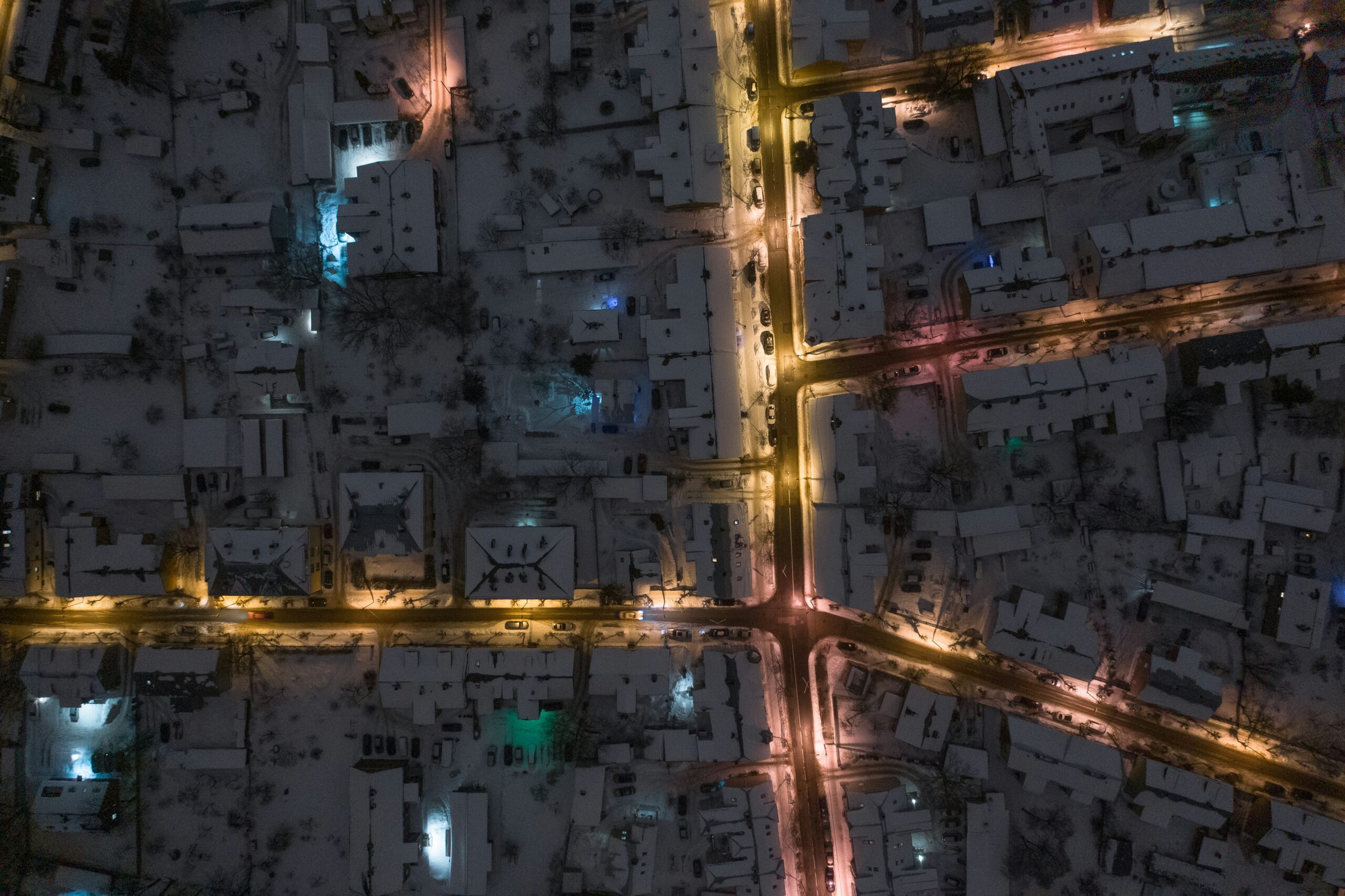
Yes, but with purpose. Hiding outdoor lights doesn’t mean making them invisible; it means integrating them seamlessly into your landscape so they highlight the beauty of your space without detracting from it. When done thoughtfully, concealed lighting can elevate the aesthetic appeal of your outdoor area, ensure safety, and protect the environment.
Whether you’re lighting a cozy backyard, a sprawling garden, or a modern driveway, remember: good lighting isn’t about the fixtures you see—it’s about the mood and functionality they create.
Why Consider Hiding Outdoor Lights?
- Aesthetic Appeal
Hidden outdoor lights create a clean, seamless look in your landscape. By concealing fixtures behind plants, rocks, or architectural features, the focus shifts to what’s being illuminated—such as pathways, trees, or the texture of a stone wall—instead of the light source itself. This approach enhances the beauty of your outdoor space while maintaining subtle elegance. - Reducing Glare
Exposed lighting fixtures can create glare, which is both uncomfortable for the eyes and distracting. Hidden lights provide softer, more even illumination, reducing harsh contrasts and ensuring the light complements the environment without overpowering it. - Environmental Benefits
Hidden lights, when properly designed, help reduce light pollution, which affects wildlife and obscures the night sky. By directing light only where it’s needed—on pathways, plants, or architectural features—you minimize wasted light and prevent it from spilling into unintended areas. - Safety Enhancement
Concealed lighting doesn’t mean less safe lighting. In fact, strategically hidden lights can improve safety by illuminating pathways, stairs, and driveways effectively, without creating blinding spots or leaving areas overly dark. Proper placement ensures the light is functional while remaining visually appealing.
How to Hide Outdoor Lights Without Sacrificing Light Quality
-
Use Landscape Features
- Place fixtures behind shrubs, bushes, or rocks to disguise them while still providing effective illumination.
- Hide lights within tree canopies for dramatic downlighting or “moonlighting” effects that mimic natural light.
- Recessed Lighting
Install lights flush with the ground, deck, or walls for a sleek, low-profile appearance. Recessed lights are excellent for illuminating driveways, patios, and pathways without visible fixtures cluttering the space. - Shielded Fixtures
Opt for fixtures with built-in shields or hoods that direct light downward or toward specific areas. This minimizes glare and prevents light from spilling into unwanted zones, such as neighboring properties or the night sky. - Incorporate Architectural Features
Embed lights in retaining walls, stair risers, or under overhangs to keep them out of sight while ensuring adequate illumination. This technique highlights the architecture while hiding the light source. - Smart Placement
Focus on positioning lights strategically where they can serve their purpose without being visible. For instance, angle spotlights upward to highlight trees or downward to graze textured walls. Avoid placing lights where they can be directly seen from common viewing angles.
Addressing Safety Concerns of Outdoor Lighting
Some people worry that hidden lights might compromise safety, but that’s not the case when lighting is well-planned. To ensure safety:
- Use layered lighting: Combine concealed lights with visible fixtures for a balance of form and function.
- Avoid over-lighting: Too much brightness can cause glare, which decreases visibility and increases the risk of accidents.
- Choose appropriate brightness levels: Outdoor lights should be bright enough to illuminate paths and hazards but not so intense that they disrupt the ambiance or blind passersby.
Balancing Light Pollution and Functionality
The impact of outdoor lighting goes beyond your property—it affects the environment and night sky visibility. Hidden lights can help combat light pollution by:
- Directing light downward or onto specific features instead of allowing it to escape upward.
- Using energy-efficient, low-lumen LED fixtures that minimize wasted light.
- Choosing warm light temperatures (2700K–3000K) to reduce blue light emissions, which are more disruptive to wildlife.
Types of Hidden Lighting
Hidden lighting comes in several discreet varieties to suit varying aesthetic and functional requirements. The main types include:
-
Cove Lighting
Cove lighting involves discreetly recessing slender LED profiles just above the junction where walls meet ceilings, resulting in aesthetically pleasing illuminated coves that subtly wash ceilings in a warm, ambient glow. By containing directional LEDs within a precise recessed channel, cove lighting washes large surface areas with an evenly diffused light.

-
Recessed Lighting
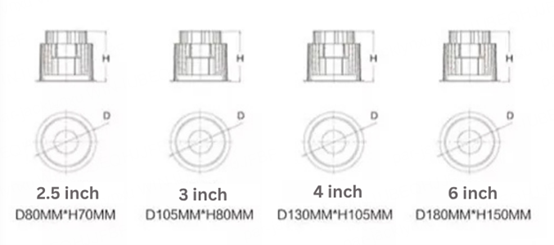
Recessed lighting is an ingenious solution that involves expertly cutting openings into ceilings and recessed housings containing adjustable lighting elements that allow aiming beams precisely while keeping bulb sources entirely hidden from view. With their flush-mounted trims, recessed lights maintain architectural integrity while discreetly delivering pools or ribbons of focused illumination.
-
LED Strips
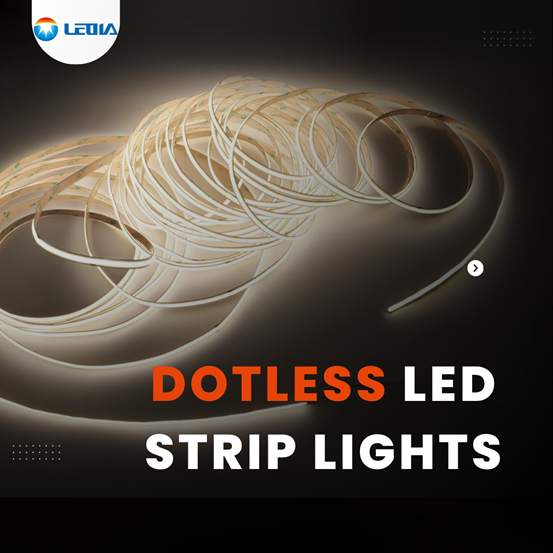
LED strips provide a highly versatile form of hidden lighting, consisting of slim, flexible circuits subtly embedded with tightly spaced miniature LEDs. The strips precisely adhere around complex curves and edges or are hidden behind furnishings to bathe surfaces in an even, ambient glow. Their malleability allows uniquely contouring accent illumination to enhance architectural details or features.

LED strip light is installed in a cove to uplight a wall
This table provides an overview of these hidden lighting types, their pros, and applications:
Lighting Options for Different Spaces:
| Type | Pros | Applications |
|
Cove Lighting
|
Subtle glow, aesthetic profiles |
Living room, bedroom |
|
Recessed Lighting
|
Concealed light source, directed output |
Hallways, bathrooms |
|
LED Strips
|
Flexible shapes, economical, DIY-friendly |
Under cabinets, along with furniture |
Conclusion
Hidden lighting presents effective solutions for various spaces through different illumination styles. Thorough consideration of needs and careful selection of lighting type allows seamlessly enhancing environments with a subtle, ambient glow. The reputed LED lighting brand LEDIA is perfectly positioned to empower your business with high-quality hidden lighting products.
Our state-of-the-art testing facilities ensure unparalleled product performance, reliability, and safety. Beyond hidden lighting, we provide fully customizable indoor and outdoor LED solutions for residential and commercial spaces. Get in touch with us for professional lighting consultations and high-performance smart lighting gear.