
Lighting is more than just illumination. It’s the invisible hand that shapes how we experience art. Imagine standing before a centuries-old masterpiece, its colors dulled by harsh glare, or a delicate sculpture fading under excessive UV exposure. Poor lighting doesn’t just distort beauty; it can irreversibly damage priceless works.
From recessed LED downlights that disappear into ceilings to the crucial choice between IC-rated and non-IC-rated fixtures (more on that later), every decision impacts both art and audience. Whether you’re designing a gallery or curating an exhibition, lighting isn’t just functional—it’s a silent storyteller.
Let’s dive into the key considerations for museum, gallery, and exhibition lighting in 2025, where technology meets artistry.
Why Lighting in Museums, Galleries, and Exhibitions Should Have Extra Considerations
Lighting in museums and galleries is more than just brightness. They play a crucial role in revealing the soul of an artwork while protecting its physical integrity.
Every decision, from color accuracy to beam direction, shapes how visitors perceive and emotionally connect with the pieces on display. Let’s explore the essential factors that make lighting design both an art and a science.
Light Quality & Color Rendering
Imagine standing before a Van Gogh only to see his vibrant yellows appear muted, or a delicate Renaissance tapestry looking washed out under artificial light.
This is why high CRI (Color Rendering Index) lighting (90+) is essential, which will ensure colors remain true to the artist’s intent. Warmer color temperatures (2700K–3000K) work beautifully for classical oil paintings, casting a golden glow that enhances aged canvases, while neutral whites (3500K–4000K) provide a clean, modern look for contemporary pieces.
LEDs have revolutionized gallery lighting by offering exceptional color accuracy without the drawbacks of traditional lighting.
Unlike halogens, which emit damaging heat and UV, or fluorescents, which often distort colors, LEDs deliver crisp, consistent illumination while keeping conservation concerns in check.
Light Intensity & Control
Not all artworks can handle the same light levels. A centuries-old sketch in charcoal demands far gentler treatment than a polished bronze sculpture.
Delicate works like watercolors and textiles thrive under 50 lux or less, while more resilient pieces like marble statues can handle up to 300 lux without risk.
The key is adjustability—dimmable LEDs and smart lighting systems allow curators to fine-tune brightness based on the time of day, natural light ingress, and even crowd density.
Over-illumination is a silent threat. Prolonged exposure to bright light accelerates fading, particularly in organic materials like dyes and parchment. Modern solutions like timed lighting cycles and motion sensors help minimize unnecessary exposure, ensuring masterpieces endure for generations.

Direction & Beam Angles
Lighting should guide the eye, not fight against it. Directional spotlights and track systems create focal points, allowing individual pieces to command attention without competing glare.
A narrow 10° beam works wonders for highlighting intricate details in a small portrait, while a 45° flood evenly illuminates a sprawling mural.
Glare control is equally critical. Positioning lights at a 30° angle reduces reflections on glass-covered paintings, while diffusers and louvered trims soften harsh edges. The goal is to make the light feel effortless, so natural that visitors forget it’s even there.
Preservation & Conservation
The greatest challenge in gallery lighting is balancing beauty with longevity. UV and infrared radiation are among the top culprits behind fading pigments and cracking varnishes.
While traditional bulbs require external UV filters, LEDs inherently emit negligible levels of harmful radiation, making them the safest choice for sensitive artifacts.
Yet even with the best technology, moderation is key. Rotating light-sensitive exhibits and implementing “rest periods” under low light can drastically extend their lifespan. It’s a dance between revelation and preservation—one that ensures art remains vivid not just today, but for centuries to come.
What is the Rule of Thumb for Lighting Fixtures for Museums and Galleries
Let’s explore the best options for showcasing art flawlessly.
Recessed LED Downlights: The Invisible Spotlight
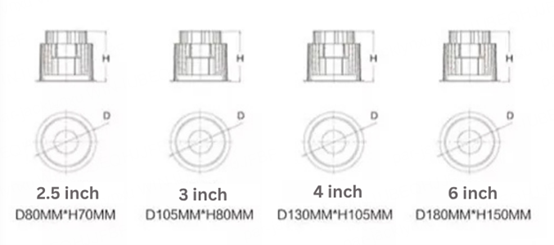
Recessed downlights are the unsung heroes of gallery lighting, offering a minimalist, distraction-free aesthetic that keeps the focus on the art. Unlike bulky fixtures, they tuck neatly into ceilings, creating a clean, modern look. But not all downlights are created equal—here’s what to prioritize:
- Adjustability: Look for gimbal or tiltable models to fine-tune beam angles on the fly.
- High CRI (90+): Ensures colors appear vibrant and true to life.
- Low Heat Emission: Critical for protecting delicate artworks from thermal damage.

IC vs. Non-IC Rated Recessed Lights: Safety First
Not all ceilings are the same, and choosing the wrong housing can risk fire hazards or energy inefficiency. Here’s what you need to know:
|
IC-Rated Recessed Light |
Non-IC Rated Recessed Light |
|
|
Insulation Contact |
Safe for direct contact with insulation |
Requires at least 3-inch clearance from insulation |
|
Construction |
Double-can (can-within-a-can) design with thermal protection |
Single-can design with vent holes for heat dissipation |
|
Fire Safety |
Minimizes fire risk, designed to prevent overheating |
Higher fire risk if installed near insulation |
|
Energy Efficiency |
Airtight, reduces drafts and energy loss |
Prone to drafts and energy inefficiency |
|
Typical Housing Color |
Silver, no visible vent holes |
White, visible vent holes |
|
Application |
Insulated ceilings, attics, and walls |
Non-insulated ceilings, unfinished attics |
|
Installation Flexibility |
Can be installed anywhere, including insulated areas |
Limited to non-insulated or specially boxed areas |
Why thermal management matters
Even LEDs generate some heat, and poor ventilation can shorten a fixture’s lifespan. IC-rated LED downlights with built-in thermal protection ensure longevity and safety, especially in climate-controlled galleries.
Track Lighting & Adjustable Spotlights: Flexibility at Its Finest
When your exhibits rotate frequently, track lighting is a curator’s best friend. These systems offer effortless repositioning, allowing you to highlight new pieces without rewiring.
LED track lighting dominates modern galleries, comes with:
- Energy Efficiency: Uses up to 80% less power than halogen track lights.
- Long Lifespan: 50,000+ hours means fewer bulb changes over the years.
- Precision Optics: Adjustable spotlights with zoomable beams (10°–60°) let you sculpt light exactly where it’s needed.
For mixed-media exhibitions, magnetic track systems add even more versatility, letting you swap fixtures in seconds. Pair them with smart dimming controls, and you have a lighting setup that adapts as quickly as your displays do.
Elevate Your Space with LEDIA’s Expert Lighting Solutions
At LEDIA Lighting, we specialize in commercial lighting solutions that blend cutting-edge technology with artistic vision.
Whether you’re designing a new gallery or upgrading an existing space, LEDIA delivers museum-grade lighting that meets the highest standards of aesthetics and performance.
Ready to transform your lighting? Explore LEDIA’s commercial solutions today—where innovation meets artistry.
Contact LEDIA lighting for a free consultation now!