



-
Recessed Lighting Spacing for Kitchens and Living Rooms
Master the perfect recessed lighting layout. Learn how to space ceiling lights in your kitchen and living room to eliminate shadows and create the ideal ambiance.Read more -
4-Inch vs. 6-Inch Recessed Lighting: How to Choose the Right Size for Your Ceiling
Deciding between 4-inch and 6-inch recessed lights? Discover the best size for your ceiling height, room style, and lighting goals in this comprehensive guide.Read more -
2026 Lighting Power Density: Energy Code Compliance Path, Energy Codes (with LPD Calculator & 2026 Section 179 Calculator)
The latest 2026 Lighting Power Density (LPD) requirements. A comprehensive guide to energy codes for sustainable commercial lighting.Read more
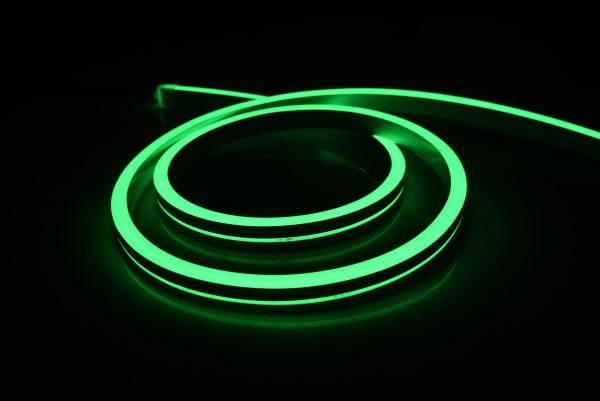
Smarter Lighting Decisions for Lower Energy Costs in B2B Projects
- 10 Apr 2026
In commercial and engineering lighting projects, energy consumption is often a long-term operational concern. When we design lighting systems at LEDIA Lighting, we frequently evaluate how LED strip LED lights can replace traditional lighting in different installation environments. In many B2B projects, such as retail chains or engineering sites, lighting runs for long hours daily, which makes electricity usage a significant cost factor.
Compared with conventional lighting sources, modern LED strip LED lights are built to operate with higher efficiency while maintaining stable brightness. In our experience working with contractors and system integrators, the transition is usually driven by the need for consistent illumination rather than decorative lighting alone. This shift is especially noticeable in continuous-use environments where system stability matters more than short-term installation cost.
Practical Efficiency in Project-Based Installations
From a system design perspective, we focus on how lighting performance aligns with operational demand. Our LED strip LED lights are widely applied in indoor and outdoor engineering projects where lighting must remain reliable over extended hours. When integrated properly, they can reduce unnecessary energy waste compared to older lighting setups that often generate more heat and consume higher power levels. We also observe that high-performance LED light strips are typically selected by project planners who need flexibility in layout and installation. In large-scale commercial environments, such as supermarkets or infrastructure lighting, the ability to maintain uniform brightness while controlling energy use is a key requirement. At LEDIA Lighting, our production system supports these needs through structured manufacturing and certified processes.
System Integration and Industrial Standards
Our production base includes 15,000㎡ of workspace and 1,000㎡ of laboratories, including a CNAS-accredited testing environment. With more than 20 years of experience in the lighting industry, we operate two R&D teams composed of engineers with strong industrial backgrounds. These capabilities allow us to support consistent product development for LED strip LED lights used in different engineering scenarios.
In addition, our products have obtained multiple international certifications such as CCC, UL/ETL, CE, RoHS, TUV, SAA, DLC, and ENEC. These certifications help ensure that best LED light strips meet compliance requirements across different markets. This is particularly important for B2B clients who manage cross-regional projects and require stable product sourcing under unified standards.
Conclusion: Long-Term Value in Energy-Focused Projects
When evaluating lighting systems for commercial or engineering use, energy efficiency should be considered as part of the overall lifecycle cost. At LEDIA Lighting, we see that LED strip LED lights provide a practical solution for reducing energy consumption while maintaining stable performance in real applications. In many projects, best LED light strips are not chosen only for brightness, but for their ability to support long-term operational efficiency and system reliability in structured installations.