



-
Recessed Lighting Spacing for Kitchens and Living Rooms
Master the perfect recessed lighting layout. Learn how to space ceiling lights in your kitchen and living room to eliminate shadows and create the ideal ambiance.Read more -
4-Inch vs. 6-Inch Recessed Lighting: How to Choose the Right Size for Your Ceiling
Deciding between 4-inch and 6-inch recessed lights? Discover the best size for your ceiling height, room style, and lighting goals in this comprehensive guide.Read more -
2026 Lighting Power Density: Energy Code Compliance Path, Energy Codes (with LPD Calculator & 2026 Section 179 Calculator)
The latest 2026 Lighting Power Density (LPD) requirements. A comprehensive guide to energy codes for sustainable commercial lighting.Read more
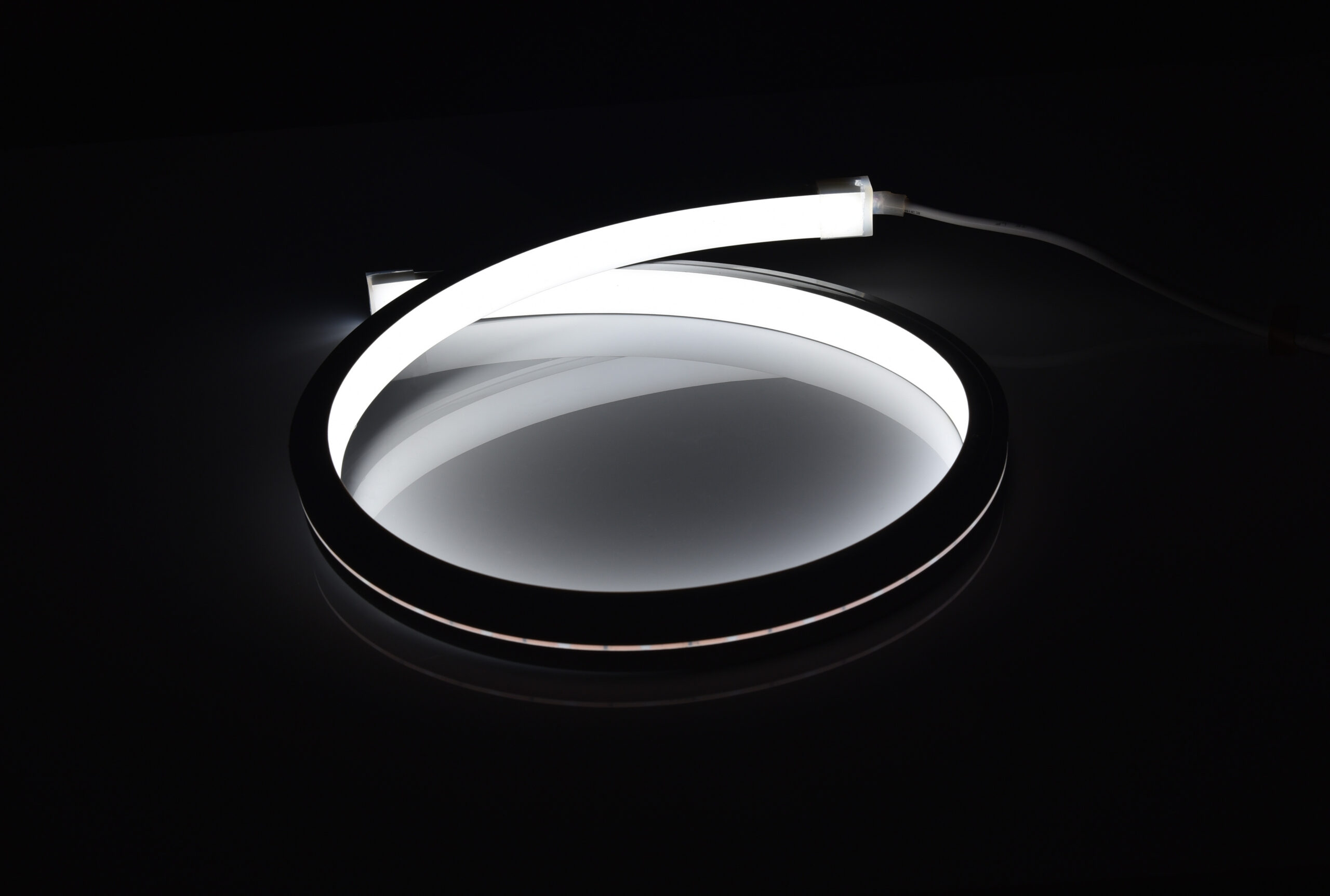
Can LED Strip Lighting Reduce Energy Costs in Commercial Projects?
- 19 Apr 2024
In many commercial lighting projects, we often evaluate how lighting choices affect long-term operational costs. At LEDIA Lighting, we focus on helping B2B clients understand how LED strip lights perform in real application environments, especially when replacing conventional lighting systems such as fluorescent tubes or halogen fixtures. The use of an LED strip light system is increasingly considered in engineering projects, retail chains, and indoor-outdoor installations where energy efficiency and stable operation are both required. In our experience, clients typically look at not only initial installation cost but also long-term electricity consumption when selecting LED strip lights for continuous operation environments.

Operational Efficiency in Project Applications
From a system perspective, LED strip light solutions are designed to reduce unnecessary energy loss while maintaining consistent brightness levels. At LEDIA Lighting, our engineering approach integrates structural design and material optimization to ensure stable performance in different installation conditions. The LED strip light is widely used in commercial ceilings, architectural outlines, and retail display environments where lighting is required for long hours. Compared with traditional lighting systems, it supports more flexible installation layouts, which can reduce redundant fixtures and improve overall energy planning efficiency. In many engineering projects, this adaptability is one of the reasons LED strip light systems are selected for large-scale deployment.
Manufacturing Strength and Application Reliability
Our company has been specialized in the lighting industry for more than 20 years, supported by two major R&D teams with 20 engineers and an average of over 15 years of experience. With 15,000sqm workspace and 1,000sqm laboratory including a CNAS-accredited facility, we maintain consistent development and testing standards. All main product categories, including strip lights and related lighting fixtures, have obtained certifications such as CCC, UL/ETL, CE, RoHS, TUV, SAA, DLC, and ENEC. Within this system, LED strip lights are engineered for stable energy output and long-term commercial use, helping engineering clients maintain predictable power consumption in real projects.
Conclusion: Energy Value in Practical Deployment
In real-world applications, LED strip light solutions can help reduce unnecessary energy usage by optimizing layout design and improving electrical efficiency in continuous lighting scenarios. At LEDIA Lighting, we continue to support engineering customers by providing adaptable lighting systems that meet project-based requirements. When properly integrated, LED strip lights offer a practical option for businesses aiming to manage electricity consumption while maintaining functional lighting performance across commercial environments.