



-
Recessed Lighting Spacing for Kitchens and Living Rooms
Master the perfect recessed lighting layout. Learn how to space ceiling lights in your kitchen and living room to eliminate shadows and create the ideal ambiance.Read more -
4-Inch vs. 6-Inch Recessed Lighting: How to Choose the Right Size for Your Ceiling
Deciding between 4-inch and 6-inch recessed lights? Discover the best size for your ceiling height, room style, and lighting goals in this comprehensive guide.Read more -
2026 Lighting Power Density: Energy Code Compliance Path, Energy Codes (with LPD Calculator & 2026 Section 179 Calculator)
The latest 2026 Lighting Power Density (LPD) requirements. A comprehensive guide to energy codes for sustainable commercial lighting.Read more
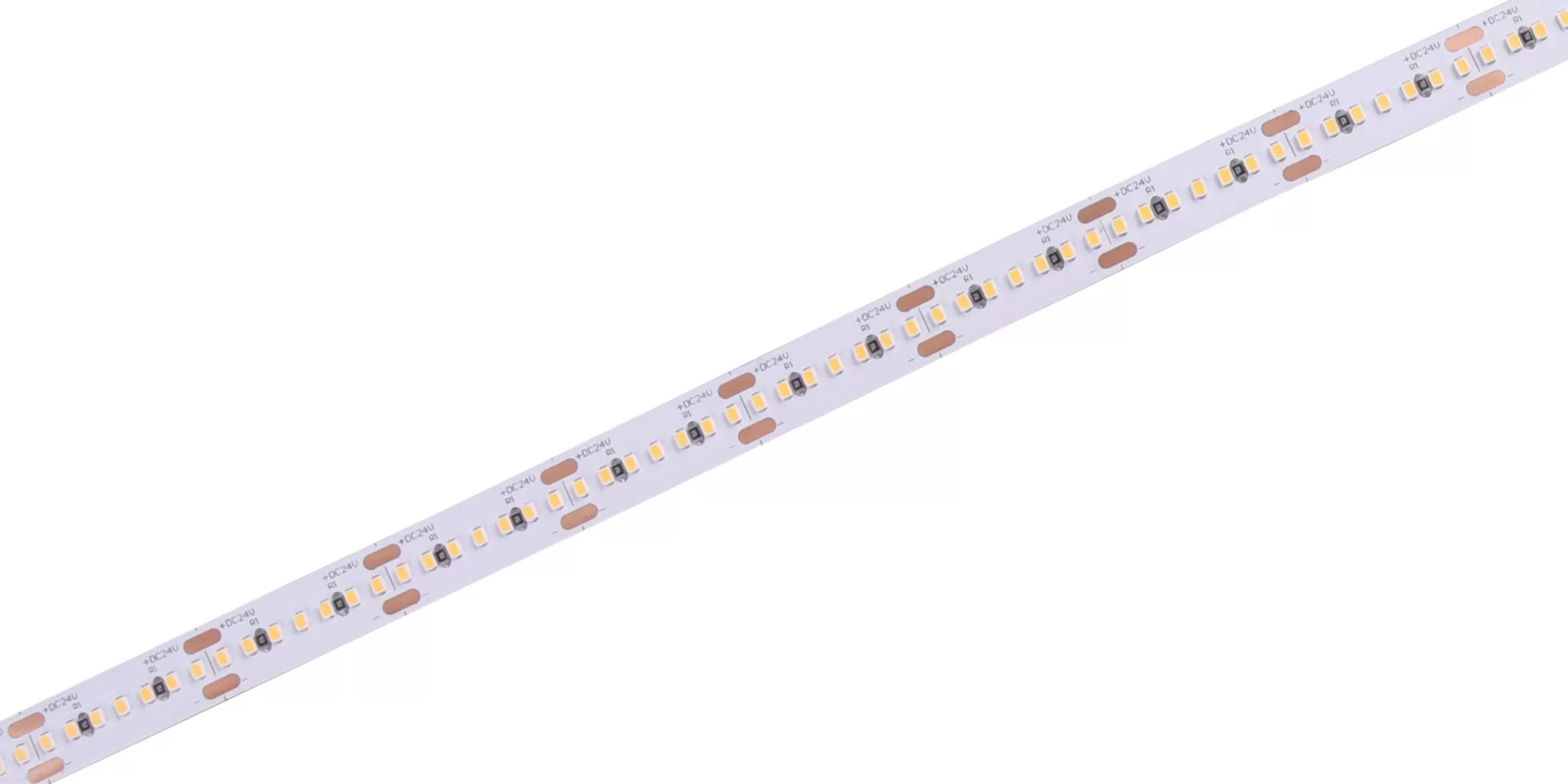
Best Practices for Concealing LED Ceiling Lights Strip and Wiring
- 23 Mar 2026
When it comes to designing an effective lighting system, balancing aesthetics with functionality is essential. One common challenge faced by professionals is concealing LED ceiling lights strips and their wiring while still maintaining easy access for servicing. This article outlines best practices to achieve both elegance and practicality in installations.
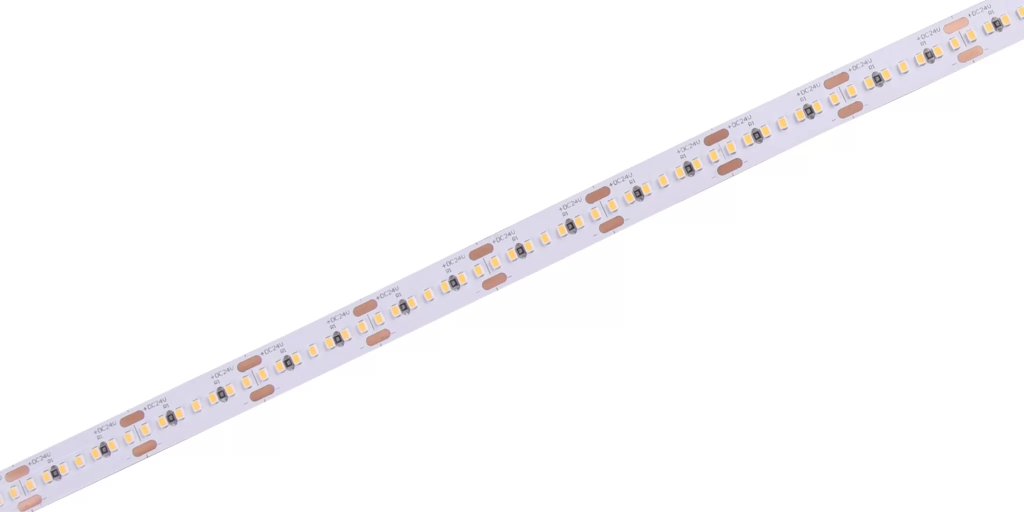
Planning the Layout and Access Points
Before starting any installation of LED ceiling lights strips, careful planning is crucial. Start by mapping out the layout of the LED light strips in relation to the ceiling and the surrounding space. Identifying the best routes for wiring is key, as this will impact both the appearance and functionality of the installation.
We recommend considering access points for the power supply and any necessary connectors. This ensures that if maintenance or replacement is needed, it can be done without extensive disassembly. Placing access points discreetly in inconspicuous locations allows for a cleaner look while facilitating straightforward servicing.
Additionally, it’s essential to evaluate how the LED light strips will blend with the overall décor of the space. Hiding the strips and wiring does not have to mean compromising on style; rather, it can enhance the visual impact of the installation.
Concealing Options for LED Light Strips
Concealment strategies can significantly improve the aesthetics of LED ceiling lights strips. Here are several effective methods:
Cove Lighting: Installing LED light strips in a cove or recessed area of the ceiling not only hides the strips but also creates an ambient glow that softens harsh lighting. This approach allows for a seamless integration into the environment, making for an elegant appearance.
Channel Housing: Utilizing aluminum channel housing can serve dual purposes: it provides a professional finish while protecting the LED light strips. These channels can be mounted to the ceiling or walls, and they come with diffusers that help to diffuse light evenly, reducing harshness.
Surface-Mounted Raceways: For installations where recessed options aren’t feasible, surface-mounted raceways can be an excellent solution. These raceways allow for organized cable management and can be painted or finished to match the surrounding surfaces, ensuring a cohesive look.
Ensuring Accessibility for Maintenance
While concealment enhances the aesthetic appeal of LED ceiling lights strips, it is also vital to consider ease of access for future maintenance. Here are key practices to include:
Use of Quick-Release Connectors: Installing quick-release connectors makes it easier to disconnect and reconnect wires during maintenance, allowing for speedy service without having to dismantle extensive portions of the installation.
Strategic Placement of Access Panels: If using raceways or channel housings, consider integrating access panels that can be easily removed. This approach ensures that servicing can occur efficiently without sacrificing the clean look of the installation.
Documentation of Layouts: Finally, maintaining clear documentation of the installation layout, including wiring and access points, can make future maintenance more straightforward. This documentation serves as a valuable reference for anyone tasked with servicing the LED light strips.
Conclusion
Creating aesthetically pleasing and practical lighting solutions requires concealing LED ceiling light strips and their wiring while preserving easy access for maintenance. This balance is catered to by LEDIA Lighting‘s High Efficacy Series, which offers quality and versatility.
Lighting specialists can design installations that blend style and functionality by using the best practices described in this article. You can rely on LEDIA Lighting to provide high-quality lighting solutions that improve any setting and enable easy maintenance and seamless integration. With our skillfully designed LED lighting, you can ensure long-term performance while gorgeously illuminating your areas.