



-
Recessed Lighting Spacing for Kitchens and Living Rooms
Master the perfect recessed lighting layout. Learn how to space ceiling lights in your kitchen and living room to eliminate shadows and create the ideal ambiance.Read more -
4-Inch vs. 6-Inch Recessed Lighting: How to Choose the Right Size for Your Ceiling
Deciding between 4-inch and 6-inch recessed lights? Discover the best size for your ceiling height, room style, and lighting goals in this comprehensive guide.Read more -
2026 Lighting Power Density: Energy Code Compliance Path, Energy Codes (with LPD Calculator & 2026 Section 179 Calculator)
The latest 2026 Lighting Power Density (LPD) requirements. A comprehensive guide to energy codes for sustainable commercial lighting.Read more
Achieving High CRI Values in Flood Lights for Sports Lighting
- 7 Mar 2026
Our flood lights’ Color Rendering Index (CRI), which gauges how well colors are depicted in artificial lighting, is an important feature. For sports illumination, high CRI values are crucial since they improve visibility and the overall experience for both players and spectators. We’ll look at how we get high CRI ratings for our flood lights in this article.
Understanding Color Rendering Index (CRI)
As a dedicated LED flood light manufacturer, we know that achieving a high CRI is not just a matter of using better materials; it involves a series of design choices and technological innovations. High CRI values are critical for ensuring that colors appear as they do in daylight, making it possible for athletes to perform at their best and for fans to enjoy the game without color distortion.
To achieve high CRI values, we carefully select the LED chips we use in our lighting solutions. The composition of these chips directly influences the quality of light produced. By combining various phosphors and materials, we create a spectrum that closely matches natural sunlight, resulting in our flood lights delivering a high CRI typical of professional-grade lighting.
Advanced Chip Technology
One key factor that sets us apart as an LED lighting manufacturer is our commitment to advanced chip technology. We invest in the latest research to develop LED chips that maximize light quality and CRI. By utilizing multi-die chips, which allow for better spectral output and color blending, we ensure our flood lights achieve superior CRI ratings.
Additionally, we focus on chip binning, which involves categorizing LED chips based on specific color temperatures and output qualities. This process allows us to select chips that not only meet our performance standards but also ensure consistency across different batches of production. With better quality control, we maintain high CRI values in every unit of our sports lighting solutions.
Phosphor and Color Mixing Techniques
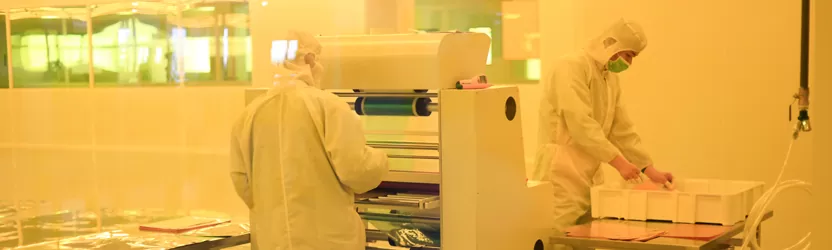
At LEDIA Lighting, we also utilize advanced phosphor and color mixing techniques to enhance the CRI of our flood lights. By using multiple phosphors, we can create a balanced spectrum of light that includes all wavelengths necessary for high CRI ratings. This technology allows us to produce white light that is not only bright but also rich in color detail.
Combining different LED colors-such as red, green, and blue-further enhances the quality of light. This color mixing technique results in better saturation and vibrancy, crucial for sports lighting applications. The outcomes are not just visually striking; they facilitate improved performance for athletes, making our flood lights a top choice for sports facilities.
Conclusion
Obtaining high Color Rendering Index (CRI) values in flood lights for sports lighting requires a complex procedure that includes cutting-edge chip technology, cautious material selection, and creative phosphor mixing methods. As a seasoned producer of LED flood lights, LEDIA Lighting is still dedicated to providing top-notch lighting options that improve the athletic experience. Our flood lights are a dependable option for sporting venues striving for excellence since we prioritize high CRI, which not only increases visibility but also guarantees correct color representation. For your next sports lighting project, choose LEDIA Lighting and see the impact of high CRI.